Wolf Snake Diet
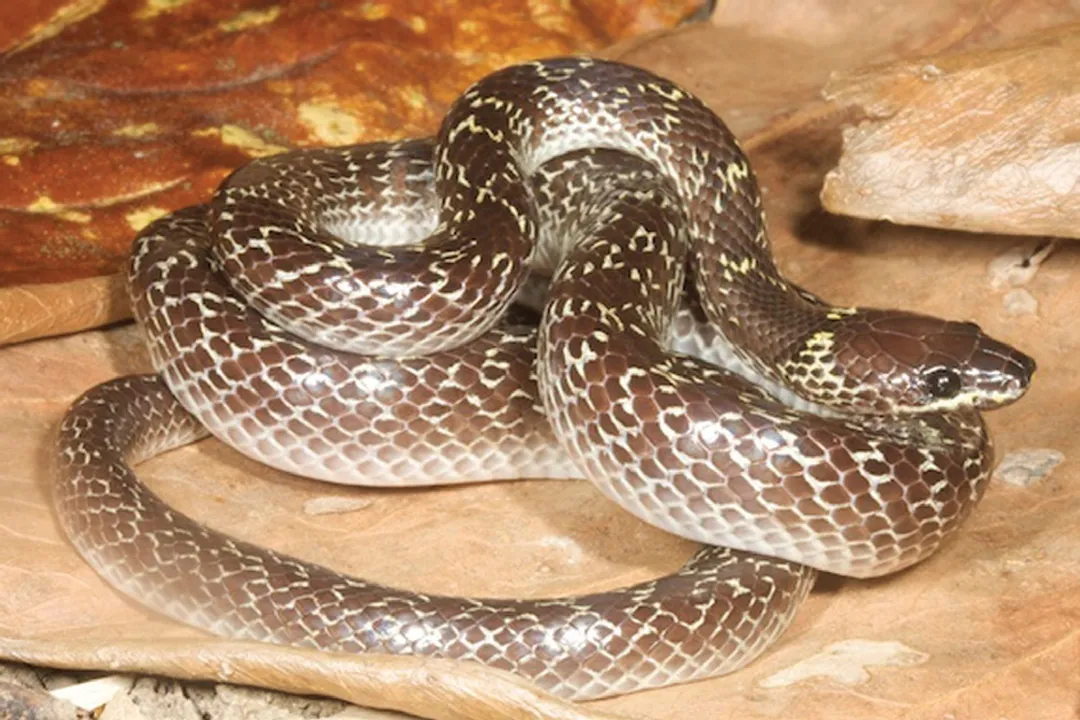
The feeding habits of snakes belonging to the Lycodon genus, commonly recognized as Wolf Snakes, present a fascinating look into nocturnal predation, particularly concerning the Oriental Wolf Snake (Lycodon capucinus) and the Common Wolf Snake (Lycodon aulicus). [1][2][4] These non-venomous serpents, widely distributed across South and Southeast Asia, share a largely insectivorous and small vertebrate diet in their natural environments. [6] Understanding their dietary composition is key, whether one is studying their ecological role or considering their husbandry in captivity. [3][8]
# Wild Prey Spectrum
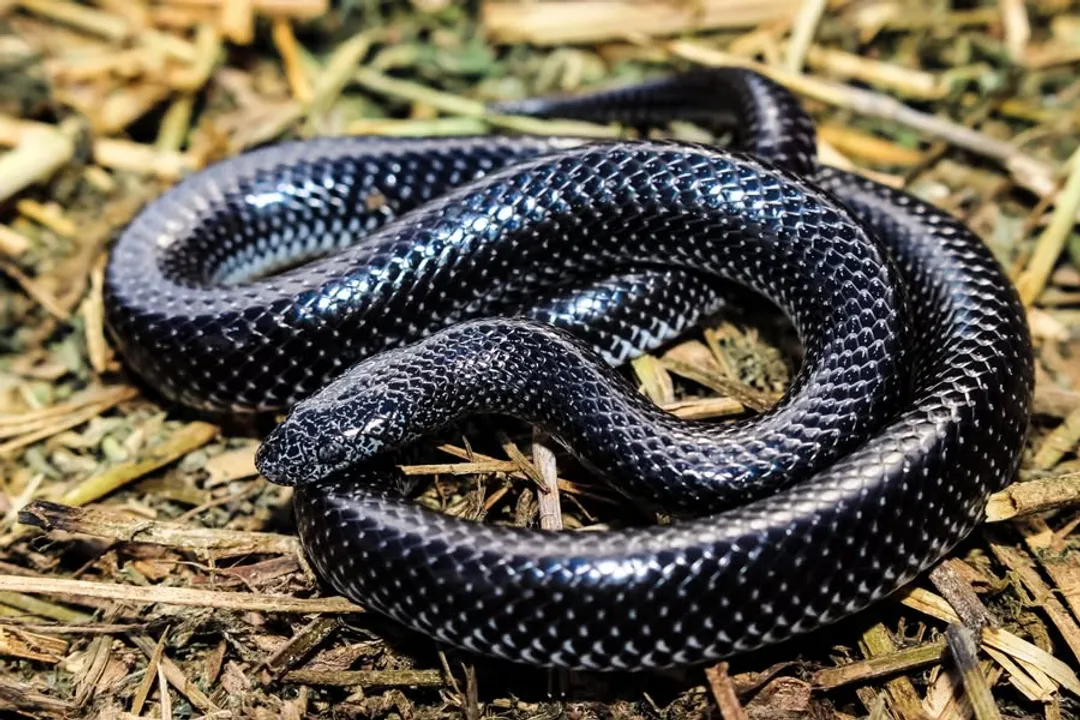
The natural diet of the Common Wolf Snake (Lycodon aulicus) has been subject to specific research, revealing a consistent preference for certain groups of small prey. [4] Studies analyzing stomach contents or scat have indicated that lizards frequently form the bulk of their intake. [4] This suggests that their nocturnal hunting strategy is highly adapted to locating geckos, skinks, and other small reptiles that might be active or resting in crevices. [4]
However, the diet is not strictly limited to reptiles. Amphibians, specifically frogs and toads, also feature prominently in the diet of L. aulicus. [4] Furthermore, the spectrum widens to include arthropods, with insects and spiders forming part of the meal composition. [4] In some analyses of Common Wolf Snake feeding ecology, while lizards were dominant, the presence of frogs, insects, and other small vertebrates was confirmed, illustrating a generalist approach to acquiring calories, albeit with a strong leaning toward reptilian prey. [4]
Comparing this to the Oriental Wolf Snake (Lycodon capucinus), although specific dissection studies might differ in detail, the general dietary profile remains similar—preying on small vertebrates and invertebrates. [1][2] Both species inhabit areas near human habitation, such as gardens and cultivated lands, which naturally increases their interaction with both native and sometimes introduced small fauna. [2] The flexibility to consume various small prey items is likely a significant factor in the widespread distribution of these snakes. [6]
# Prey Item Categorization
To better illustrate the dietary preferences observed in research concerning L. aulicus, the prey items can be broadly categorized based on the material gathered from published ecological studies. [4] It is important to note that data derived from scat analysis, as is often the case in field studies, might underrepresent prey that is entirely consumed or too soft to persist long enough for collection. [4]
| Prey Category | L. aulicus (Common Wolf Snake) | Notes/Frequency |
|---|---|---|
| Reptilia | Lizards (Geckos, Skinks) | Often reported as the most common prey item. [4] |
| Amphibia | Frogs, Toads | Regularly consumed; indicates opportunistic foraging. [4] |
| Arthropoda | Insects, Spiders | Present in samples, suggesting a supplemental dietary component. [4] |
| Other Vertebrates | Small Mammals (e.g., Newborns) | Less frequent, but possible depending on local availability and snake size. [4] |
For a snake like the Common Wolf Snake, the relative abundance of lizards versus frogs can shift based on local ecological pressures. If one considers a typical humid environment where these snakes thrive, the consistent availability of small geckos hiding in wall crevices or under debris suggests a predictable, high-value food source that the snake's hunting style is well-suited to exploit. [4]
# Captive Feeding Regimes
When Wolf Snakes are kept as pets, their diet transitions entirely from opportunistic wild foraging to a structured, keeper-provided menu. For many keepers, particularly those caring for juveniles or newly acquired individuals, the primary concern revolves around introducing an appropriate feeder item to establish hydration and nutritional balance. [3][9]
A common starting point for captive Wolf Snakes, especially if they are small or hesitant feeders, is often the pinky mouse (newborn rodent). [8] While wild Lycodon species primarily consume prey that is significantly smaller or invertebrate-based, the convenience and nutritional completeness of pinky mice often make them the default captive staple for many small snakes. [3][8] Some keepers report success with fuzzies (slightly older, furred mice) for larger adults, though one must be cautious about the potential for mice to carry parasites or introduce injuries if the snake is new to the prey type. [3]
However, experienced keepers often strive to mimic the wild diet more closely, especially if the snake refuses rodent prey or if there are concerns about excessive fat intake from a strictly mammalian diet. This closer mimicry involves offering appropriately sized frogs (like small pacman frogs or similar feeder anurans, ensuring they are captive-bred to avoid parasites) or sometimes even appropriately sized lizards. [3] The transition from a wild diet consisting mostly of lizards and insects to one dominated by mice requires observation to ensure the snake is thriving, as the water content and nutrient profile of a lizard or frog can differ substantially from that of a mouse. [4]
It's interesting to consider the nutritional gap when a Common Wolf Snake, whose wild diet is heavily reliant on whole lizards, switches to mice. Lizards often have a high calcium-to-phosphorus ratio in their skeletal structure that benefits snake health; a captive diet heavily skewed toward pinky mice, which are naturally softer and lower in accessible calcium, might require supplementation or careful rotation with calcium-rich feeders like insects or whole-prey amphibians to maintain long-term bone density. [3]
# Meal Frequency and Size
The frequency with which Wolf Snakes consume food appears linked to their size and the energy density of their meal. In the wild, a successful hunt for a sizeable lizard might sustain the snake for several days or even a week, especially given their generally slow metabolism common to many non-venomous colubrids. [6]
In a controlled captive setting, juveniles or rapidly growing snakes generally require more frequent feedings than established adults. A common recommendation found in keeper discussions suggests feeding growing young Lycodon species every five to seven days. [3] Once the snake reaches an adult size and has established steady weight, this interval can often be extended to every seven to ten days, or even longer, depending on the size of the prey item offered. [3][9] The key indicator for keepers should always be the snake's body condition—a healthy snake will show a rounded, but not overly swollen, appearance mid-meal cycle, and will be alert and active. [3] Overfeeding is a distinct risk in captivity, as a snake provided with an easily accessible, calorically dense meal (like a fuzzy mouse) can become overweight far more easily than one foraging for diverse, lower-energy wild prey. [4]
A useful heuristic for determining the size of the prey item, whether it is a lizard or a mouse, is to ensure the prey item's diameter is no more than the widest part of the snake's body at that point. [3][9] This guideline helps prevent regurgitation, which is stressful for the snake and can lead to associated health issues. For very young L. capucinus or L. aulicus, this might mean needing insects or pinky pinkies, whereas a large adult may comfortably take a small adult mouse or a large frog. [1][2]
# Behavioral Feeding Notes
Wolf Snakes are predominantly nocturnal hunters. [2][6] This means their feeding stimulus in captivity is often triggered by dim lighting or darkness, which can be a useful tip for keepers dealing with reluctant eaters. Offering food late in the evening or after dark can sometimes elicit a feeding response where a daytime presentation failed. [3]
Another aspect drawn from the field ecology is their tendency to be secretive feeders. [4] In the wild, they likely consume smaller prey items quickly and retreat, or they rely on the cover of darkness to digest larger meals without disturbance. This inherent cautiousness translates to captivity; many keepers observe that their Wolf Snakes prefer to take their meal and immediately retreat to a secure, dark hiding spot to consume it, often remaining hidden for a day or two afterward. [3][9] Observing this behavior—a rapid uptake followed by seclusion—is often a sign of a successful feeding session, rather than a sign of stress, provided the snake resumes normal activity afterward. [3]
If a keeper is attempting to transition a snake from one food type to another, such as from small lizards to pre-killed rodents, scenting the prey item can sometimes be beneficial. Gently rubbing a recently rejected prey item with a piece of food the snake previously accepted, or even a mild fish scent (though this should be used sparingly), can sometimes break the deadlock and encourage investigation and acceptance of the new meal. [3] This modification targets the snake's reliance on scent and tactile cues in its dark-adapted hunting environment. [4]
# Water Intake
While not strictly "diet" in the sense of caloric intake, water consumption is intrinsically linked to the snake's ability to process food and maintain hydration, which is especially relevant when feeding prey with lower moisture content like rodents. [3] Wolf Snakes require a source of fresh, clean water at all times. [1][2] The bowl should be large enough for the snake to soak in if it desires, which it may do post-shed or after consuming a large meal. Ensuring water quality is maintained is a fundamental husbandry practice that directly supports the digestive processes initiated by the diet. [3]
The combination of being nocturnal, having a diet that naturally includes many high-moisture items like frogs and insects, and being relatively small means that their daily water requirements are constant, even if they do not always drink visible amounts daily. [6]

# Synthesis and Keeper Context
The core difference between the natural diet of Lycodon species and their captive care revolves around variety versus convenience. [4] In nature, the diet is varied by necessity—a day without lizards means hunting for frogs or large insects. [4] In captivity, convenience dictates relying on readily available rodents or commercially bred insects/amphibians. [3][8] The expertise of the keeper lies in balancing this convenience with the snake's inherent dietary needs, ensuring that the nutritional profile provided by the captive food source meets or exceeds what the wild diet naturally offers. [3] This requires vigilance, particularly concerning calcium levels if the diet leans too heavily on mammalian prey. [4]
The widespread presence of these snakes in anthropogenic environments, sharing space with humans, suggests a high degree of adaptability not just to different prey types, but also to shifting local ecosystems where traditional prey may become scarce due to urbanization or agricultural changes. [2] This adaptability, rooted in their varied diet, is a significant factor in their continued ecological success alongside human development. [6] For the general reader or the aspiring keeper, recognizing that these snakes are skilled at exploiting small, often overlooked food sources—the small lizard hiding under a flowerpot, the cricket hopping near a doorway—provides a fuller appreciation of their life in the wild. [4]
Related Questions
#Citations
Oriental Wolf Snake - Facts, Diet, Habitat & Pictures on Animalia.bio
Lycodon capucinus - Wikipedia
Care for Wolf Snake | Our Reptile Forum
(PDF) Lycodon aulicus (Common Wolf Snake). DIET - ResearchGate
Cape wolf snake description and habits - Facebook
Wolf Snake - Description, Habitat, Reproduction and Types - Vedantu
Cape Wolf Snake - Reptiles and Snakes - Africa - Kruger National Park
Can this baby common wolf snake be a pet, or should I put it ... - Reddit