Are wolf snakes aggressive?
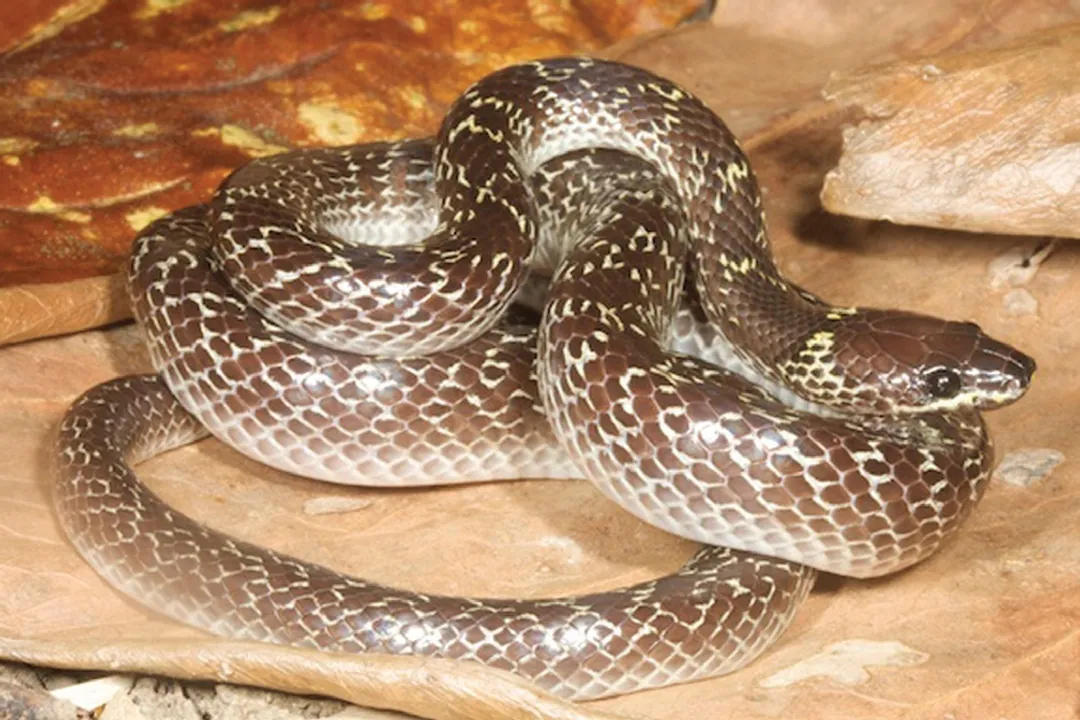
The common perception of snakes often jumps straight to fear, and when the animal in question is called a "wolf snake," that apprehension can intensify. However, understanding the actual temperament of these reptiles, particularly species like Lycodon capucinus, reveals a creature far more interested in hiding than fighting. While they possess the lineage of snakes, their typical behavior profile leans heavily toward caution and avoidance rather than any inherent aggression toward people. [2][5]
# Identity
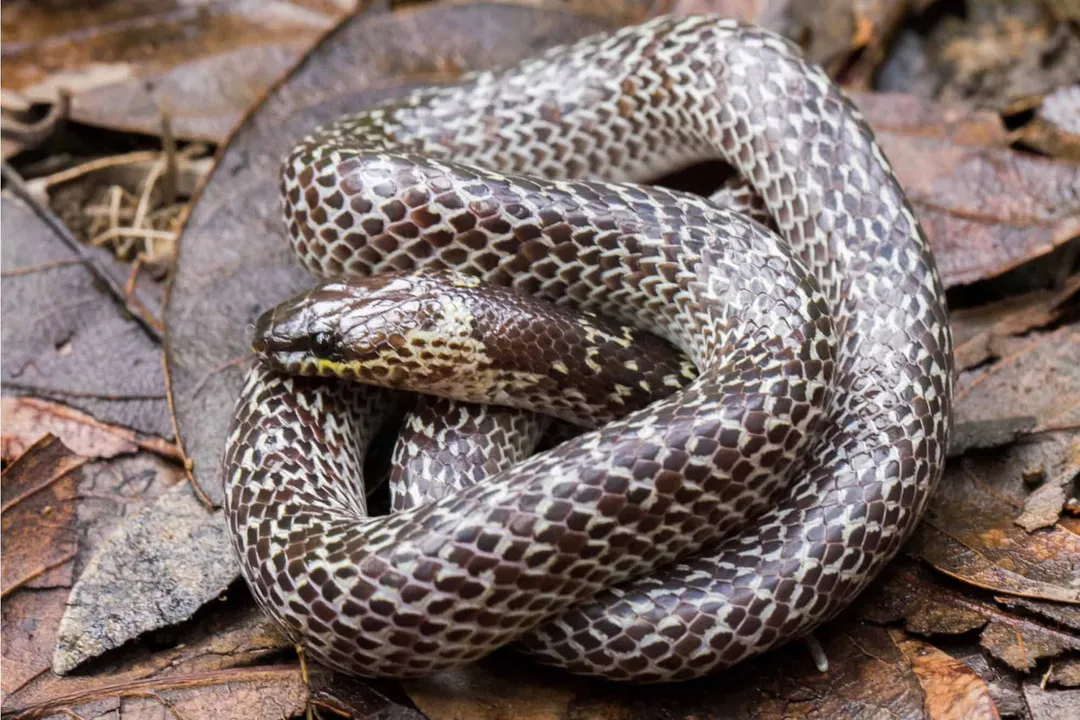
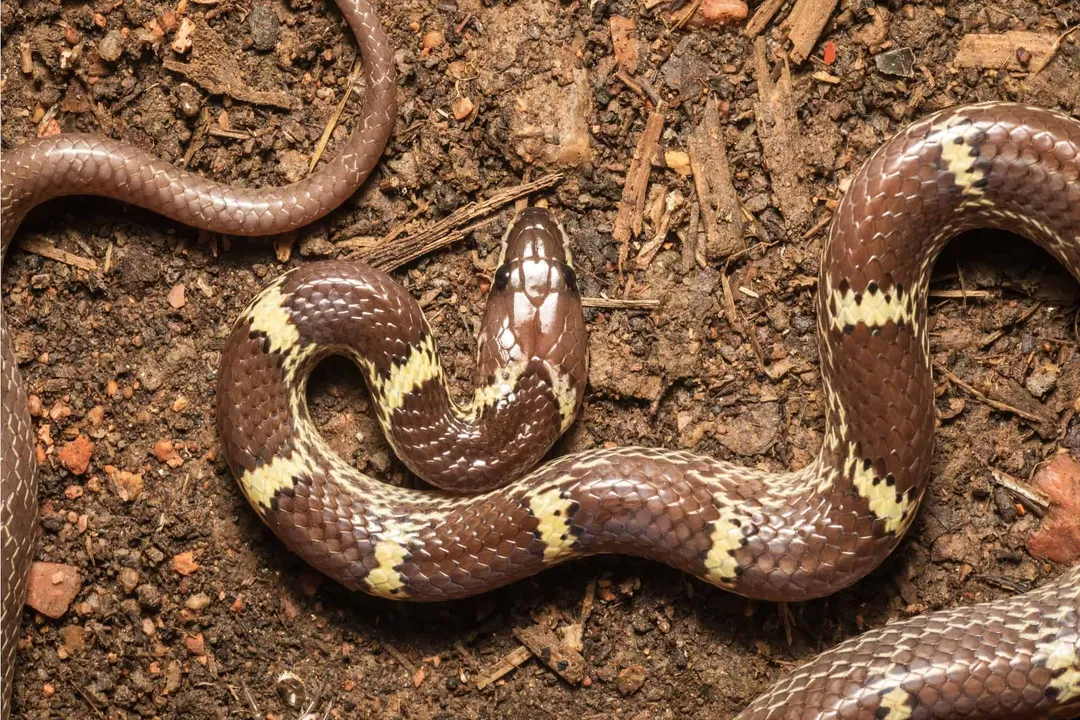
The term "wolf snake" generally refers to species within the genus Lycodon. [5] In many parts of Asia, the snake most commonly encountered and discussed is the Common Wolf Snake, Lycodon capucinus. [1][2] Knowing what you are looking at is the first step in assessing potential threat. These snakes are generally slender and often feature patterns of dark brown or black bands alternating with lighter stripes or spots. [1] This coloration, combined with their often alert posture, is one reason they sometimes cause alarm, though their overall danger level is significantly lower than many of the venomous species they might be mistaken for. [2][5]
# Venom Status
A critical piece of information for anyone concerned about aggression is the venom profile. Wolf snakes are technically classified as venomous because they possess teeth in the rear of their upper jaw capable of injecting venom—a condition known as being opistoglyphous. [1][5] However, this fact often requires context. The venom produced by the Common Wolf Snake is typically considered mild and is generally not medically significant to humans. [5][6] Bites, while possible if the snake feels cornered or handled improperly, are usually minor incidents resulting in localized swelling rather than systemic effects. [6]
# Typical Temperament
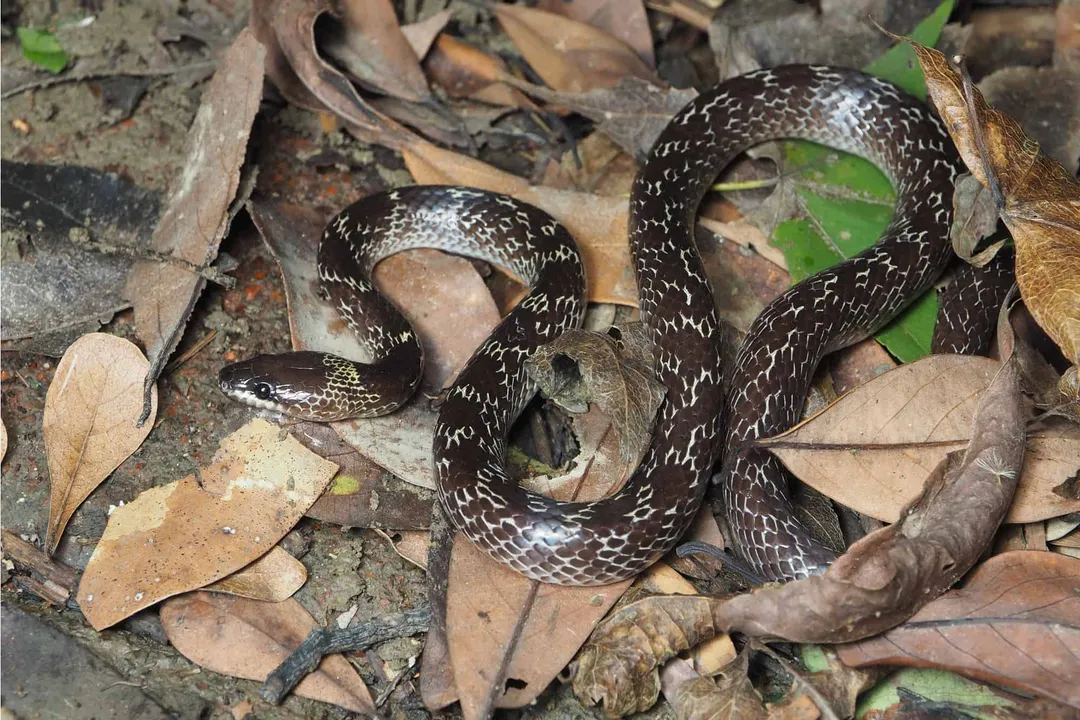
The primary driver for any perceived aggression from a wolf snake is stress or defense. In their natural state, these snakes are often described as docile or naturally shy. [2] They are primarily nocturnal hunters, spending their days concealed in leaf litter, under logs, or in quiet, undisturbed areas. [2][5] This lifestyle suggests an evolutionary preference for remaining unseen rather than engaging in confrontations.
Most reports of defensive behavior stem from situations where the snake’s hiding spot has been disturbed, or it is being physically restrained. [2] When humans come across them, especially accidentally, the snake perceives a direct threat to its survival. It is this instinct, not malice, that triggers a defensive response. The difference between a venomous snake choosing to bite and a shy, non-venomous or mildly venomous snake biting in self-defense is essential for accurate risk assessment. [2]
# Defensive Reactions
When a wolf snake feels threatened and cannot immediately escape, it resorts to a series of defensive displays before resorting to biting. These behaviors are clear signals that the snake is extremely uncomfortable. [2]
- Musking: The snake may release a foul-smelling secretion from its anal glands. This strong odor is intended to repel a potential predator by making the snake unpalatable. [2]
- Tail Vibration: Some individuals may rapidly vibrate their tails against substrate like dry leaves or wood. This movement can sometimes mimic the sound or appearance of a more dangerous snake, acting as a bluff warning. [2]
- Biting: If the warning signs are ignored, the snake may bite defensively. [2] Because they are rear-fanged, they often have to chew slightly to ensure the fangs make contact effectively, though a quick snap is also possible. [1]
It is interesting to note that while they are capable of delivering a bite, the fact that they prioritize musking and vibrating suggests a survival strategy based on bluff and avoidance first. A truly aggressive snake, one predisposed to confrontation, would likely skip these preliminary steps. [2]

# Misidentification Concerns
A significant part of the narrative surrounding the potential aggression of wolf snakes stems from mistaken identity. Their patterning and general build can lead observers to confuse them with species that are medically dangerous, such as certain kraits or pit vipers found in the same geographical regions. [2][5] This initial, often mistaken, identification can color a person's reaction, leading them to perceive a defensive snap from a wolf snake as an unprovoked attack from a highly dangerous animal. In reality, the wolf snake is often the victim of mistaken identity, and its defensive reaction is a response to the perceived threat from the human. [5]
# Safe Interaction Protocol
When dealing with any snake in a natural or semi-natural environment, the best approach is always to provide space. If you observe a wolf snake, particularly one that appears to be moving during the day—a scenario that suggests it is already stressed or disoriented—the best course of action is one of inaction. If you are not actively handling the animal, it has little reason to escalate beyond a threat display. Simply backing away slowly allows the snake to retreat to cover, minimizing the chance of it feeling cornered enough to bite. This passive observation rule helps neutralize the situation before a defensive reaction is even triggered. [2]
Understanding the context of an encounter is key. If a snake is found inside a home, it is likely disoriented and seeking the dark refuge of cabinets or clutter. Its primary goal is not to confront you but to find a hiding spot. Therefore, methods involving baits like sticky traps or poisons are generally unnecessary and inhumane; humane relocation after dark, or simply letting it find its own way out, is often the safest path for both parties. [2]
# Evolutionary Trade-offs
From a biological standpoint, the mild venom and generally shy nature of the wolf snake offer an insight into their ecological niche. They are specialized predators of geckos, frogs, and small lizards. [2][5] For a predator that relies on stealth and nocturnal activity, engaging in prolonged, high-energy conflicts with large mammals (like humans) represents a high risk with little reward. The cost of a severe injury or exposure outweighs the benefit of defending a small territory. Their defense mechanisms—musking and biting—are energy-intensive and serve as last resorts. This suggests their evolutionary success is directly tied to invisibility and avoidance, not confrontation. If wolf snakes were truly aggressive, they would likely be far less common in urbanized areas where they currently thrive by preying on domestic pests. [2]
# Field Notes on Behavior
For those interested in tracking or observing these reptiles, keep in mind the subtle environmental cues that dictate their activity:
| Condition | Typical Behavior | Implication for Contact |
|---|---|---|
| Nighttime | Active hunting, rapid movement | Highest chance of accidental encounter |
| Daytime (Concealed) | Inactive, seeking cover (logs, debris) | Low risk unless cover is moved |
| Disturbed/Cornered | Musking, tail-wagging, potential bite | Immediate retreat necessary |
In summary, the question of whether wolf snakes are aggressive finds a clear answer: No, not inherently. They are defensive. Their reputation for aggression is largely built on the fact that they bite when severely provoked, a trait shared by almost every wild animal when trapped. Their venom is mild, and their primary instinct is survival through retreat, making them a fascinating, relatively harmless resident of many ecosystems when left undisturbed. [2][5][6]
#Videos
Facts about Wolf-snake - YouTube
Related Questions
#Citations
Lycodon capucinus - Wikipedia
Wolf Snake - Lycodon capucinus - A-Z Animals
Verifying if this is a Common Wolf Snake [Philippines] - Reddit
The Lycodon capucinus, commonly known as the "wolf snake," gets ...
Wolf snake | venomous, nocturnal, colubrid - Britannica
Common Wolf Snake - African Snakebite Institute
The Common wolf snake is non-venomous. Even when they do bite ...
Snakes of Thailand - Lycodon (Wolf Snakes) - Siam-Info
Facts about Wolf-snake - YouTube