Wolf Snake Scientific Classification
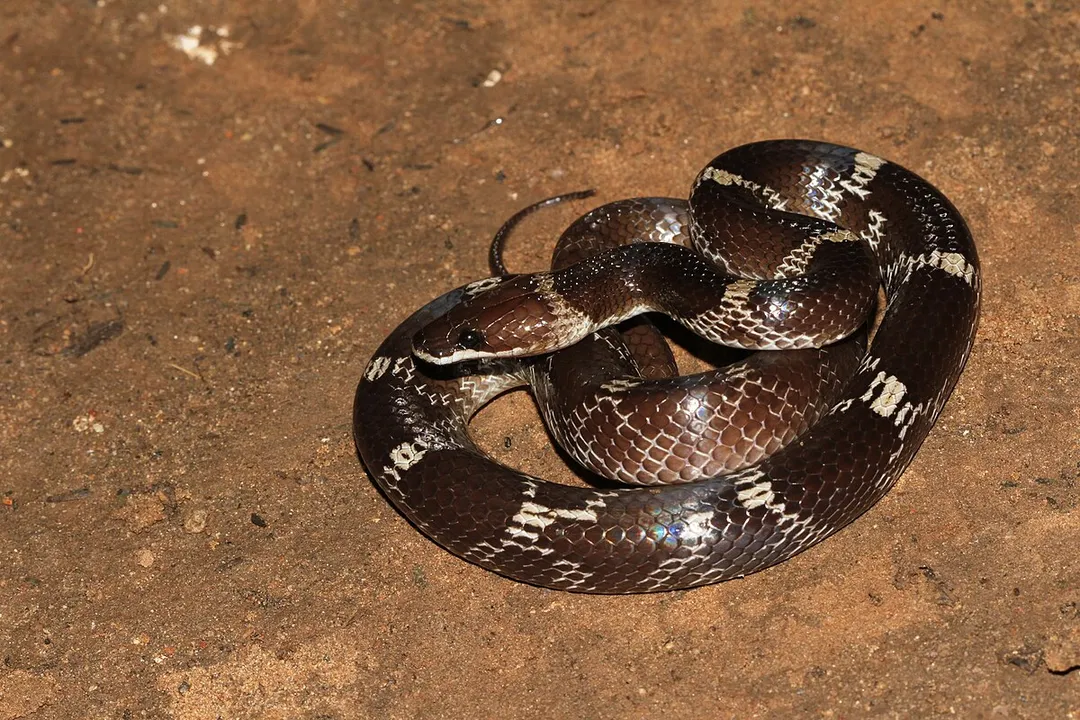
The term "wolf snake" offers a useful, common handle for several species of snakes found across Asia and sometimes colloquially elsewhere, but understanding their scientific placement requires looking deeper than the shared moniker. [4][9] These snakes are primarily grouped under the genus Lycodon. [1][7] To place them accurately within the vast diversity of the reptile world, we must start at the highest levels of the Linnaean hierarchy, which these creatures share with all snakes.
# Linnaean Placement
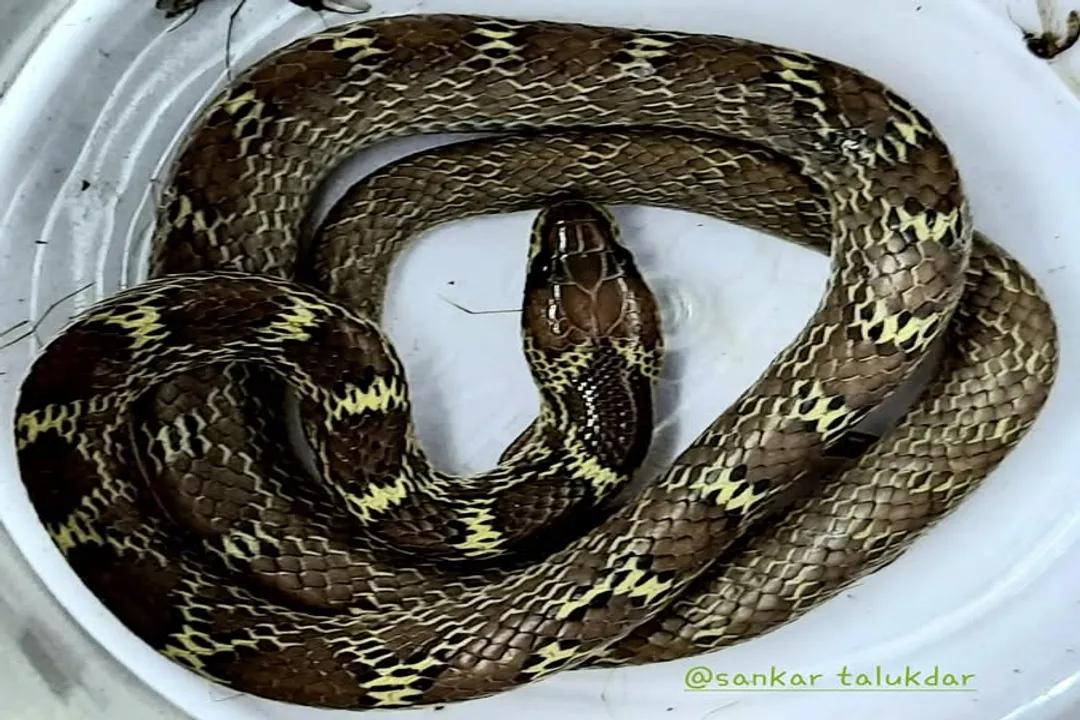
At the broadest level, any wolf snake belongs to the Kingdom Animalia, signifying they are multicellular, eukaryotic organisms. [1] They progress through the Phylum Chordata, meaning they possess a notochord at some stage of development, leading to the Class Reptilia. [1] Following this, they fall into the Order Squamata, the group that contains all lizards and snakes. [1] The family classification is significant; wolf snakes belong to Colubridae, which represents the largest snake family globally, containing the majority of non-venomous species. [1][2][9]
# Genus Lycodon
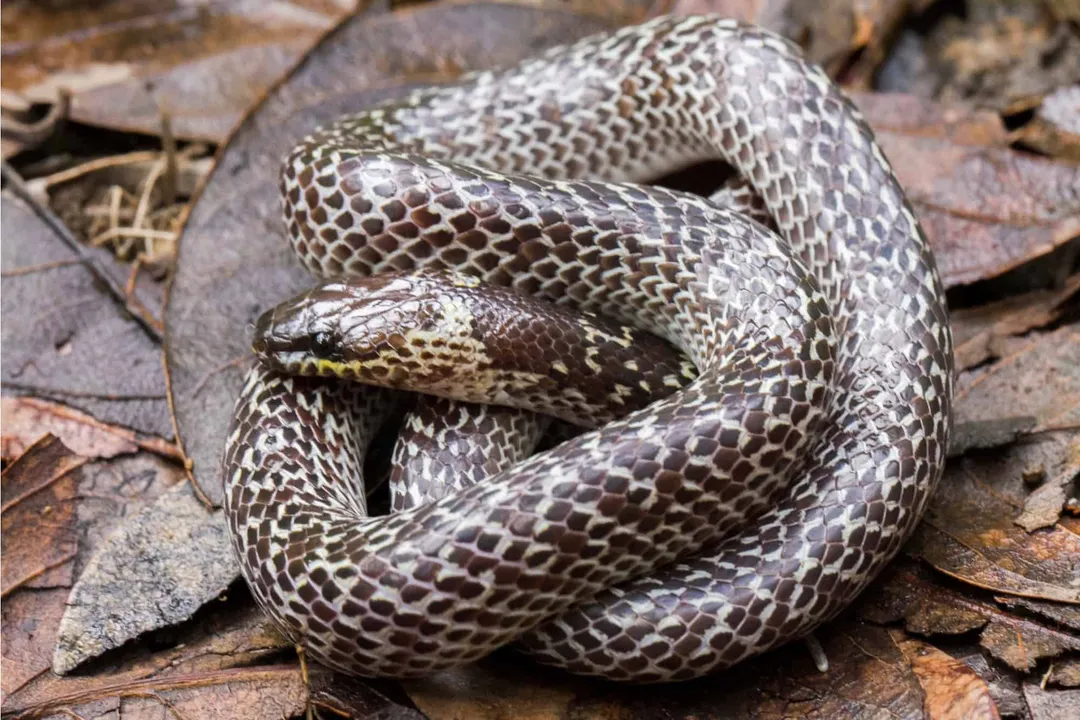
The true classification identity of a wolf snake rests within its genus: Lycodon. [1] Snakes within this genus are generally characterized by their patterns—often striking black-and-white or dark brown and light markings—which can sometimes resemble those of venomous pit vipers, although Lycodon species are non-venomous. [9] The genus itself is recognized across various geographies, spanning from South Asia into Southeast Asia, demonstrating a broad but geographically clustered distribution. [7]
While the name "wolf snake" is often applied generally, it is most commonly associated with the species Lycodon aulicus, the Common Wolf Snake. [2][5] However, simply knowing the common name is insufficient, as several other species share this classification under the same genus umbrella. [1][3]
# Species Variation
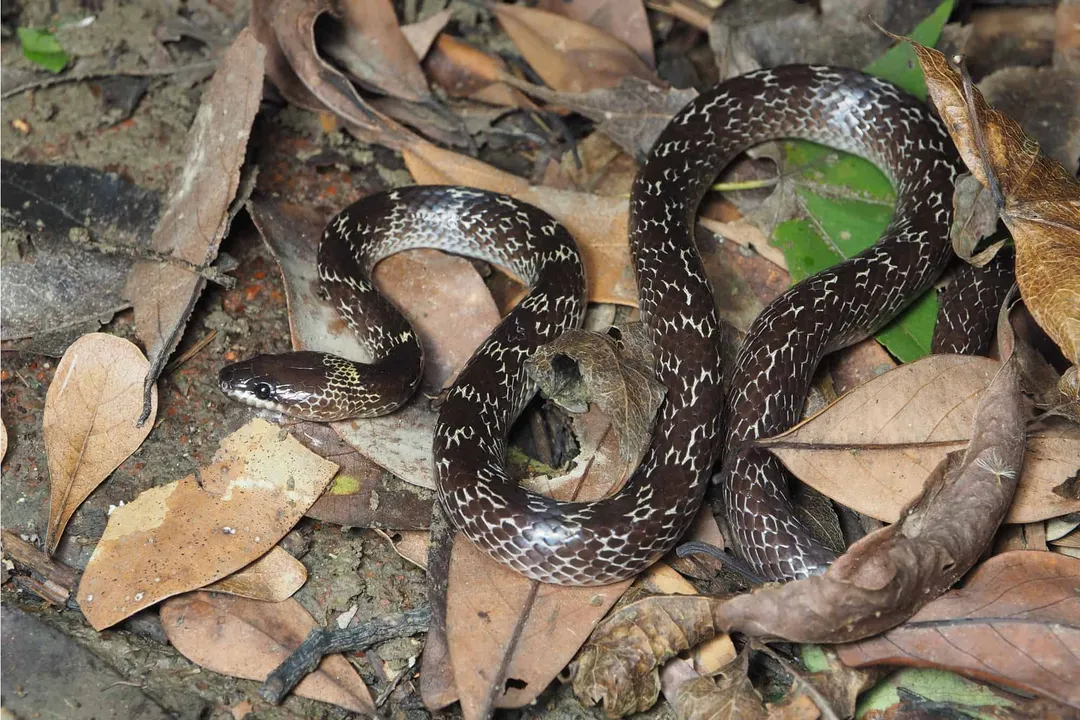
To illustrate the diversity within the Lycodon genus that shares the "wolf snake" designation, it is helpful to compare a few recognized species. The Lycodon aulicus stands out as a widely distributed member. [2] Its formal classification is straightforward: Genus Lycodon, species aulicus. [5] Records sometimes indicate synonyms for this species, reflecting past taxonomic debates, but the modern accepted name remains consistent. [5]
Contrast this with other members of the same genus. For instance, Lycodon capucinus is another recognized species within the group. [3] Similarly, in regions like Thailand, Lycodon butleri is noted, further demonstrating the breadth of the genus. [7]
This divergence in specific epithets (aulicus, capucinus, butleri) confirms that while they share family and genus placement, they are distinct evolutionary units. If one were to track the specific scientific names against their geographical ranges, the data shows clearly delineated territories for these closely related snakes. [1][3][7]
# Taxonomic Nuances and Geography
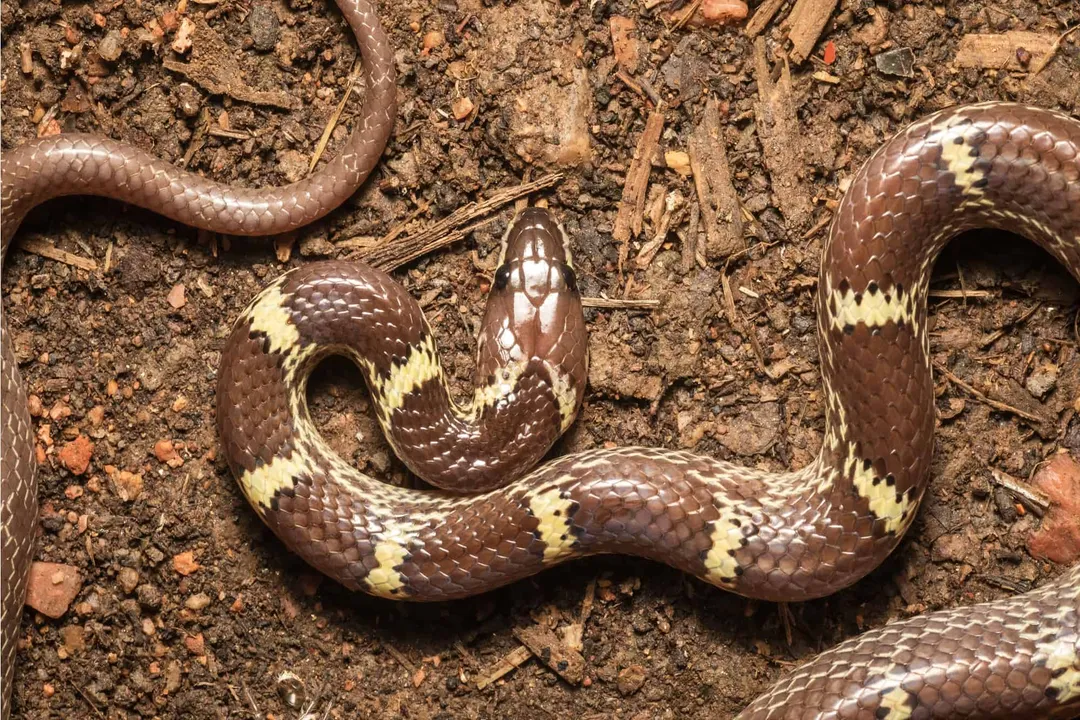
The common names applied to these snakes can sometimes cause confusion, particularly when examining their distribution outside of their primary South and Southeast Asian strongholds. For example, a snake found in Africa is also referred to as the Common Wolf Snake. [10] This African population, while sharing the descriptive common name, must be carefully placed within the Lycodon genus or, if it is placed elsewhere, it highlights how common names can be deceptively shared across continents for visually similar species. [10] In the Asian context, the Common Wolf Snake, L. aulicus, is sometimes also known by the very generic name "Common House Snake," which introduces ambiguity when juxtaposed with other snakes that also bear the "house snake" moniker. [8]
When encountering a snake identified only as a "Wolf Snake" in a specific region, especially if that region is outside the primary Asian distribution (like parts of Africa), it’s worth cross-referencing the local common name against the known Lycodon species present there, as name usage can sometimes lag behind formal taxonomic revisions or be applied loosely to similar-looking local colubrids. [10] The strict application of the binomial nomenclature—Genus species—is the only reliable path to understanding its exact biological classification and relationships.
For someone observing snakes in the field, recognizing the significance of the genus name Lycodon over the common name "Wolf Snake" can lead to better understanding of local ecology. If a region hosts three or four distinct Lycodon species, mapping the specific distribution ranges of L. aulicus, L. butleri, and L. capucinus geographically reveals distinct, non-overlapping zones of presence, illustrating how classification dictates ecological boundaries much more precisely than shared common names do. The scientific classification, therefore, is not just an exercise in naming; it is the essential key to understanding species-specific habitats, behaviors, and conservation needs across their varied ranges. [1][3][7]
# Key Classification Data Summary
To summarize the key taxonomic data points for the most commonly referenced species, a table based on formal database entries provides clarity:
| Taxonomic Rank | Lycodon aulicus (Common Wolf Snake) |
|---|---|
| Kingdom | Animalia [1] |
| Phylum | Chordata [1] |
| Class | Reptilia [1] |
| Order | Squamata [1] |
| Family | Colubridae [1][2] |
| Genus | Lycodon [1][5] |
| Species | aulicus [5] |
This structure shows that while L. aulicus belongs to the massive Colubridae family, its specific identity is locked within the genus Lycodon, separating it from other colubrids like racers or kingsnakes. [2] The precision offered by this classification system contrasts sharply with the potential ambiguity of relying on descriptive common names like "wolf snake," which can apply to members of the genus across Asia or be borrowed by unrelated species elsewhere. [4][10]
Related Questions
#Citations
Lycodon - Wikipedia
Common Wolf Snake (Lycodon capucinus) - iNaturalist
Wolf Snake - Lycodon capucinus - A-Z Animals
Lycodon aulicus (LINNAEUS, 1758) - The Reptile Database
Lycodon aulicus Described by : (Linnaeus, 1758) This wolf snake is ...
Butler's wolf snake (Lycodon butleri) - Thai National Parks
Common Wolf Snake - Lycodon capucinus - Ecology Asia
Wolf snake | venomous, nocturnal, colubrid - Britannica
Common Wolf Snake - African Snakebite Institute