Wolf Spider Evolution
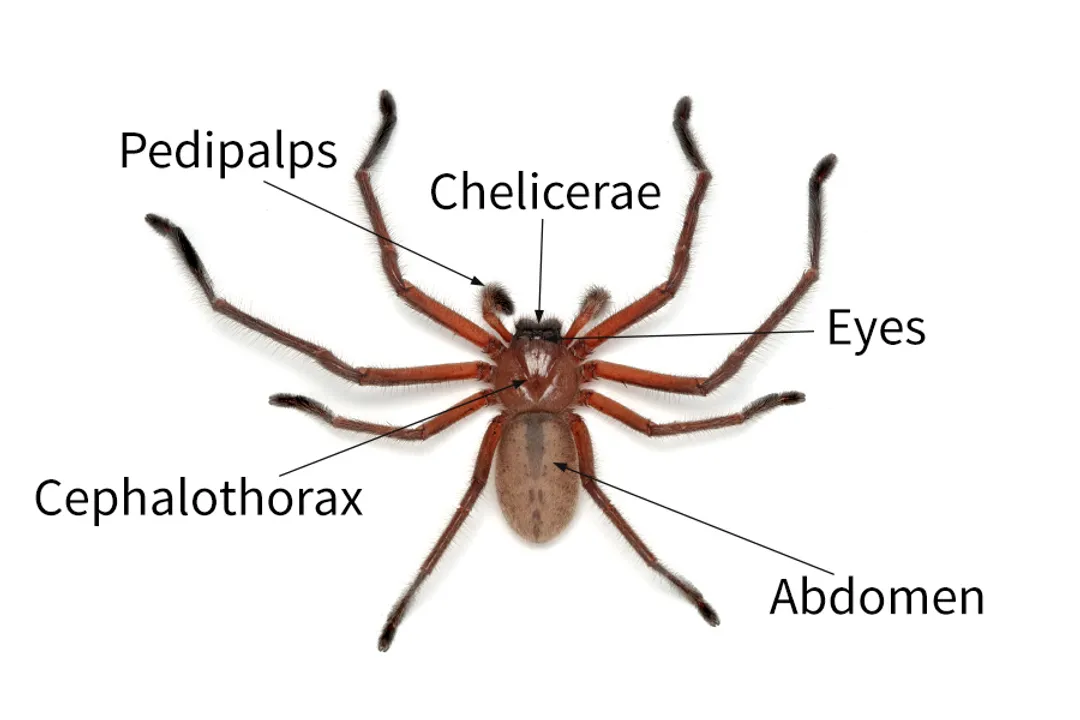
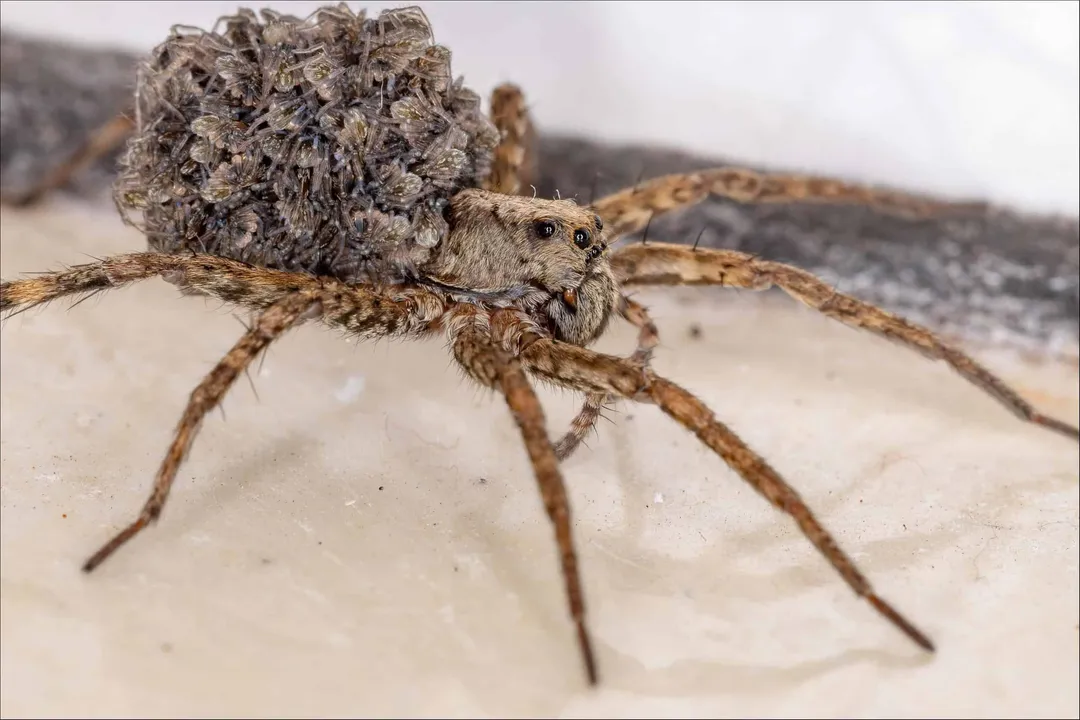
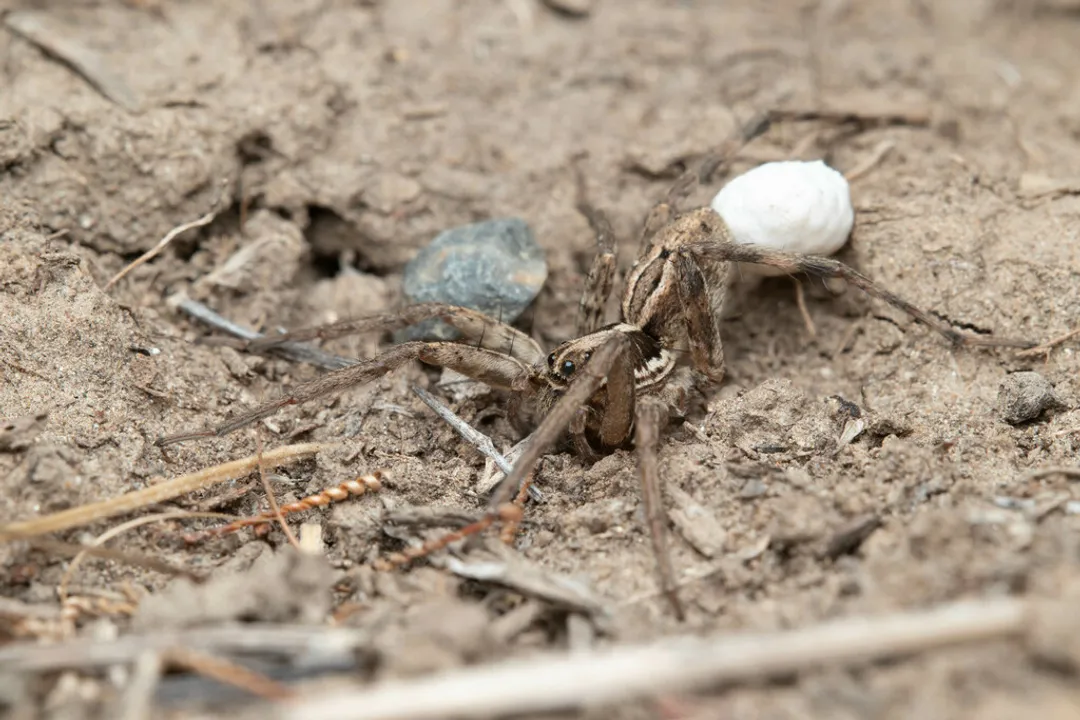
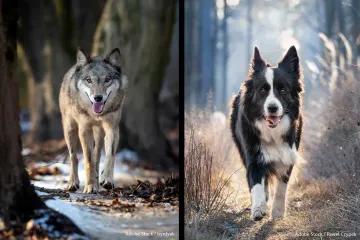
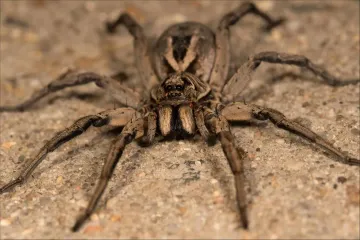
The wolf spider, a name evoking a solitary, relentless predator, captures the essence of the family Lycosidae. These arachnids, numbering over 2,800 described species across the globe, are defined not by the elaborate silk traps spun by their cousins, but by their incredible eyesight and active hunting style. They stalk, chase, and pounce on prey, a strategy reminiscent of the mammal they share a namesake with. Beyond their hunting, they display one of the most distinctive traits in the spider world: the female carries her egg sac attached to her spinnerets, and later transports the newly hatched spiderlings upon her back until they are old enough to disperse. Understanding how this highly successful, widespread group—found on every continent save Antarctica—came to be requires delving deep into their evolutionary history, a process recently illuminated by complex molecular analyses.
# Family Tree Deep Dive
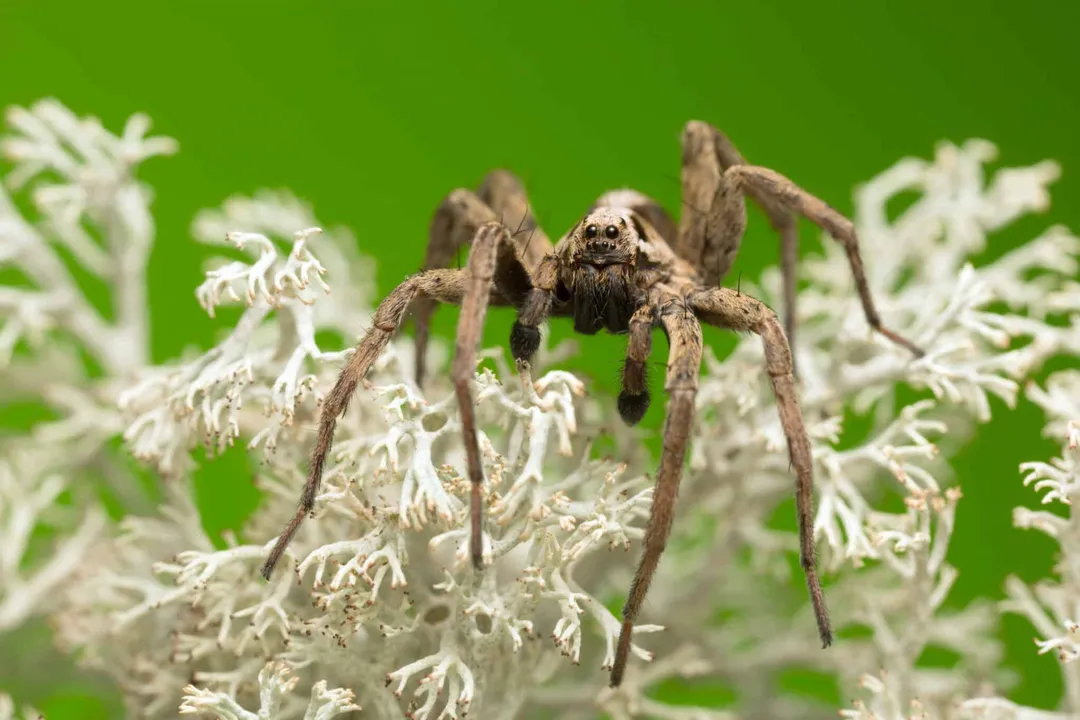
For decades, classifying the expansive Lycosidae family relied heavily on morphology, particularly structures like the male pedipalp. However, recent advancements in molecular biology, especially the sequencing of entire mitochondrial genomes (mitogenomes) from numerous species, are rewriting the family's backbone phylogeny. These modern genetic studies confirm the family's monophyly but reveal significant inconsistencies with older classifications, showing that several genera, such as Lycosa and Arctosa, are not necessarily natural, single-lineage groups (polyphyletic).
Using mitogenomic data from 56 species, researchers have proposed a clearer arrangement for the ten recognized subfamilies. This analysis places the (containing genera like Pirata and Piratula) at the base of the family tree, suggesting they represent the most ancient lineage examined. Following this basal split, the relationships shift: and form one group, which is sister to a clade containing and . The remaining subfamilies, , , and , form the final major branch, with grouping as sister to . This molecular scaffolding challenges older systems, such as one that grouped Hippasa (Hippasinae) within based on shared genital characters.
# Deep Time Origins
Pinpointing the emergence of the wolf spiders involves tracing divergence times back through geological epochs, often calibrated using fossil evidence. The estimated origin of the entire Lycosidae family now points toward the Late Eocene, around . This timing suggests that the ancestral wolf spiders were present before the major global shift from a "greenhouse world" to an "ice-house world".
The first major diversification events within the family appear to have been strongly linked to this climate shift, beginning around the Earliest Oligocene Glacial Maximum (). This period of cooling and subsequent expansion of open, arid habitats—areas that better support active hunters—likely favored the radiation of the main wolf spider lineages. The subsequent radiation continued rapidly through the Miocene.
It is fascinating to consider that the ancestral wolf spider was likely not a burrower or a web-builder, but a vagrant hunter.

# Evolving Hunting Habits
The success of the wolf spider family lies in its diverse predatory toolkit, but evolution indicates this diversity arose from a simpler beginning. Ancestral state reconstruction, mapping lifestyles onto the molecular tree, strongly suggests that the original wolf spiders were surface-active, vagrant hunters. This contrasts with older hypotheses that suggested web-building was ancestral.
The behaviors we observe today—web building (suspended tubes or funnel webs) and various forms of burrowing (temporary or permanent)—appear to have evolved multiple times independently across the family. For instance, web-building has arisen at least twice, and burrowing at least three times in separate clades.
This pattern of repeated innovation is a classic example of adaptive radiation into available niches. As the global climate cooled and tropical forests receded, the open, grassy, and arid environments expanded. While the generalized vagrant lifestyle allowed for early survival, the shift to utilizing structures like silk (for webs or burrow linings) provided new advantages in these changing landscapes. It stands to reason that species capable of shifting from simple roving to digging a silk-plugged retreat, or using silk to create a small snare, were better equipped to exploit microclimates within the newly developing grasslands, driving local speciation.
# Cryptic Diversity in Allocation
Zooming in on the subfamily, which includes many of the distinctive sand-dwelling species, reveals the limitations of taxonomy based only on morphology. Molecular work confirms is a cohesive group, but its genera are a tangle. The genus Allocosa, for example, is taxonomically unstable, as many species assigned to it do not nest closely with the type species, A. funerea.
In South American Allocosa, genetic studies using multiple markers identified roughly twice the number of evolutionary lineages as there were morphologically recognized species. For example, the species Allocosa senex, known for its sand specialization and reversed sex roles (where females are smaller and more mobile), was found to be paraphyletic, meaning its members split into multiple distinct groups that are not each other’s closest relatives. Some of these derived lineages show highly specialized traits, like those in Clade A, which are adapted to sandy substrates and use specialized bristles for burrow digging. The existence of these genetically distinct groups—lineages that look similar enough to be lumped together by morphology but are genetically separated—is a testament to recent, ongoing speciation.
# Courtship and Reproductive Barriers
Evolutionary pressure isn't just about surviving predation; it is intensely focused on reproductive success. For wolf spiders, this translates into elaborate, multi-sensory courtship rituals that keep species distinct even when they share territory. Males do not simply approach; they perform complex vibratory leg-drumming displays onto the substrate to signal their identity and fitness to a female.
Researchers have found that males tailor their vibratory signals based on the female's size, possibly assessing her capacity to bear young. Critically, these unique courtship "dances" act as reproductive barriers; a male performing the wrong signals, or a female rejecting an inadequate display, can lead to him being consumed by the female—a stark evolutionary incentive to communicate correctly. The fact that this complex behavior can be learned and modified, rather than being purely hardwired, adds a layer of plasticity to their evolutionary trajectory.
# Pleistocene Sculpting of Populations
While the major splits happened deep in the Cenozoic, climate fluctuations in the more recent past have profoundly shaped how populations are distributed today. A case study of the East Asian species Pardosa astrigera demonstrates this sharp, recent evolutionary pulse. Genetic analysis of this widespread species revealed two sympatric lineages that split during the mid-Pleistocene, around .
The subsequent glacial/interglacial cycles of the Pleistocene acted as a major driver, causing these lineages to contract into refugia during cold periods and expand during warmer ones, leading to the differentiation we see now. In fact, the estimated time for the major demographic expansion of P. astrigera populations across continental East Asia occurred during the Last Glacial Period (). These climate-driven geographic shifts are so powerful that they appear to supersede earlier ancestral dispersal patterns, forcing contemporary, widespread species to carry deep, hidden genetic divisions within their range.
# Genomic Blueprint Stability
Even as wolf spiders diversified behaviorally and geographically, their most fundamental genetic blueprint—the mitochondrial genome—remained surprisingly conserved at the level of protein-coding genes. Analysis of 56 species revealed that while most protein-coding genes showed weak selection pressure (), the gene displayed the slowest evolution.
However, the structure of these mitochondrial genomes shows variation, particularly in the more basal lineages like (Piratula species), where seven distinct patterns of mitochondrial gene rearrangements (MGTs) were found. These rearrangements primarily involve the highly mobile transfer RNAs () and the control region, while the core protein-coding genes maintain their ancestral order. This pattern suggests that while the genetic information for survival (PCGs) remained stable, the organization of the mitochondrial DNA allowed for rapid, albeit localized, restructuring in those early diverging groups. The focus on mobility in basal lines, while core functions remain unchanged, hints that early evolutionary pressures might have favored genomic economy or regulatory change over changes to the proteins themselves, a pattern seen in other arthropods as well.
Related Questions
#Citations
Wolf Spider - A-Z Animals
Molecular phylogeny of the wolf spider subfamily Allocosinae in ...
Population genetic structure and demographic history of the East ...
Phylogenetic reconstruction of the wolf spiders (Araneae: Lycosidae ...
wolf spiders, University of Cincinnati - UC Magazine
Featured Article – Wolf Spiders - TRRP
Wolf Spiders - The Australian Museum
(PDF) Backbone phylogeny and evolution of Lycosidae (Araneae)