Wood Turtle Scientific Classification
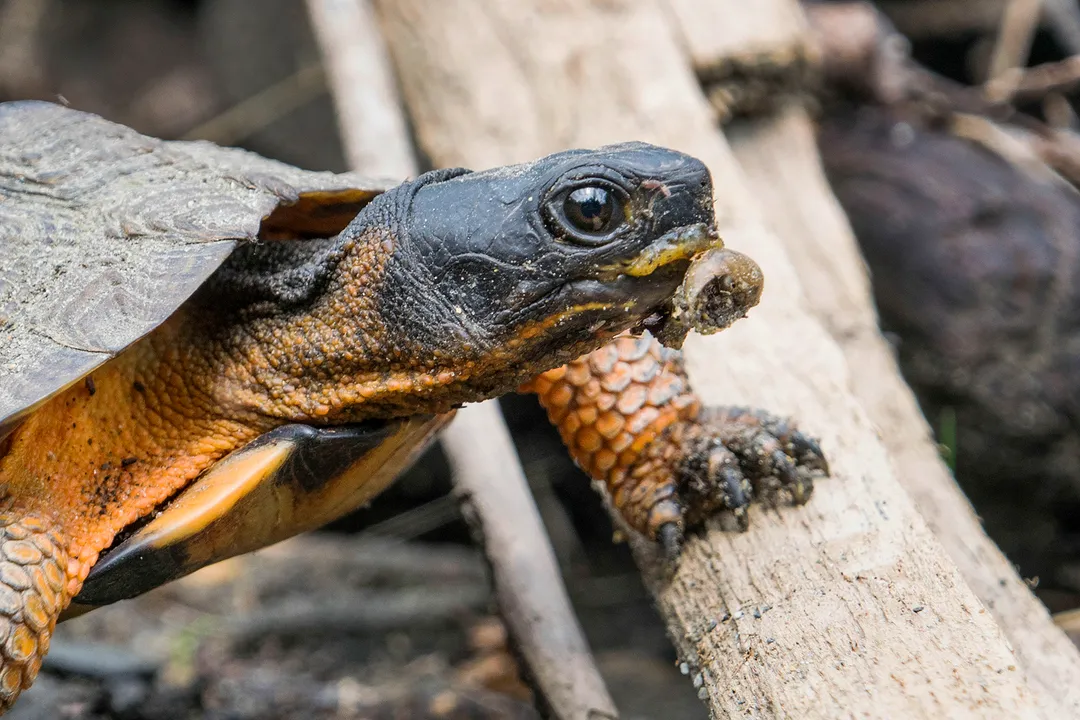
The wood turtle is a species that captures the attention of biologists and nature enthusiasts alike, largely due to its distinctive appearance and complex ecological needs across its range. To truly understand this creature, we must first examine its formal scientific placement, which grounds it within the vast tree of life. This classification system, established by Carl Linnaeus, provides the essential framework for comparing the wood turtle to its closest relatives and understanding its evolutionary path. [1][2]
# The Binomial
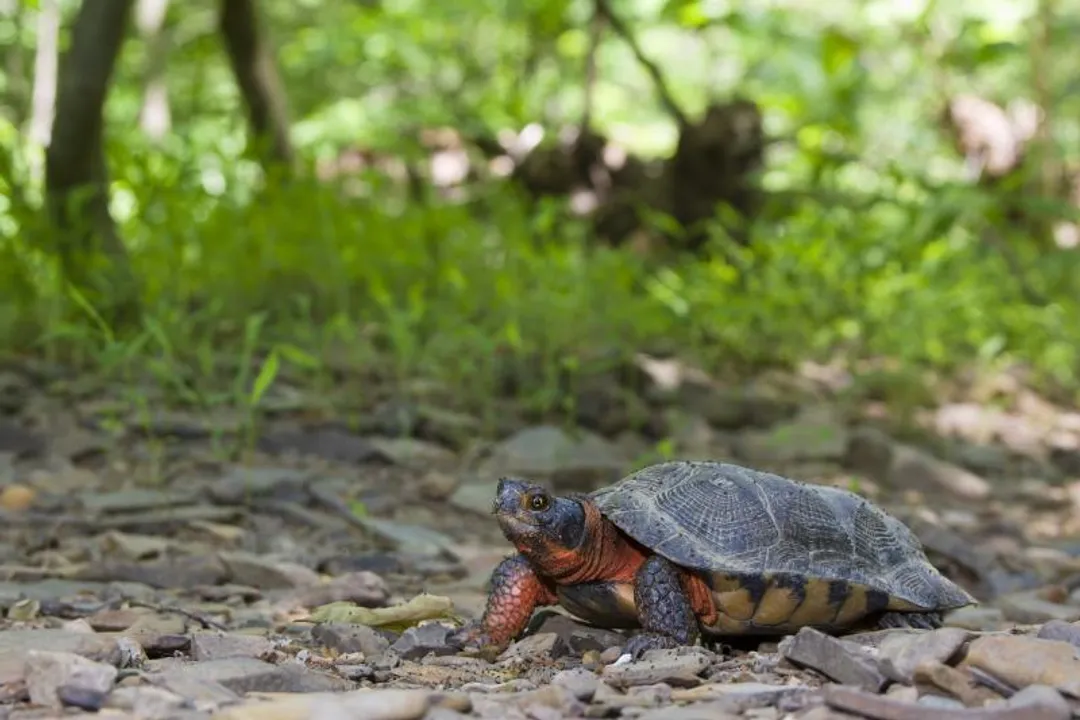
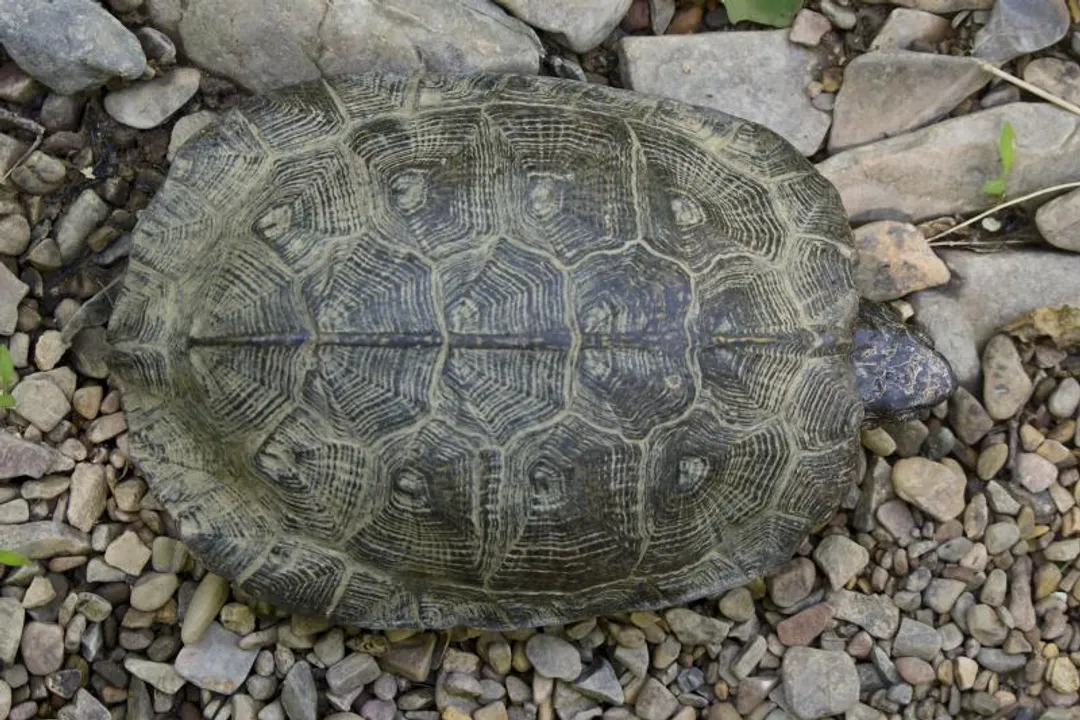
The scientific designation for the wood turtle is Glyptemys insculpta. [1][2][5][6][10] This binomial nomenclature is universally recognized, cutting across language barriers to ensure clarity among researchers worldwide. [1] The first part, Glyptemys, is the genus name, and the second, insculpta, is the specific epithet. [2] When written correctly, the genus is capitalized, and the entire name is italicized. [2] The specific epithet, insculpta, is quite descriptive, often relating to the deeply sculpted, carved, or ridged appearance of its carapace scutes, a defining feature of this species. [1][6] Understanding this name is the very first step in accessing the wealth of global biological data compiled on this reptile. [4]
# Taxonomic Ranks
Placing Glyptemys insculpta into the Linnaean hierarchy reveals its fundamental biological relationships. It is organized from the broadest category down to the most specific. [4]
At the highest level, it belongs to the Kingdom Animalia, confirming it is a multicellular, heterotrophic organism. [1] Following that, it resides in the Phylum Chordata, indicating it possesses a notochord at some stage of its life, which places it among the vertebrates. [1][4] The Class is Reptilia, a group characterized by being tetrapod, possessing scales, and being ectothermic (cold-blooded). [1][4]
The Order for the wood turtle is Testudines, or sometimes referred to as Chelonia, which encompasses all turtles and tortoises worldwide. [1][6] This order separates them from lizards, snakes, and crocodilians. [4] Finally, within the Order Testudines, we narrow down to the Family Emydidae. [1][2][4][6] The wood turtle is sometimes listed as belonging to the Family Geoemydidae in some older or alternative classifications, but modern consensus often places it within Emydidae, the pond turtles and box turtles, which is a very large and diverse family of freshwater turtles. [1][2][6] The placement within Glyptemys marks its genus, the immediate grouping of its closest living relatives. [5]
A comparative look at its placement reveals an interesting point about the genus Glyptemys itself. While the Family Emydidae boasts numerous genera distributed widely across the Americas, Asia, and Europe, the genus Glyptemys is comparatively small, often containing only two recognized species: the wood turtle and the bog turtle (Glyptemys muhlenbergii). [1][5] This tight grouping suggests a relatively recent or specialized evolutionary divergence, meaning the ecological niches occupied by these two species are likely more similar than those between, say, a wood turtle and a highly divergent sea turtle from a different family. [2]
The full taxonomic breakdown is generally structured as follows:
| Rank | Classification |
|---|---|
| Kingdom | Animalia |
| Phylum | Chordata |
| Class | Reptilia |
| Order | Testudines |
| Family | Emydidae |
| Genus | Glyptemys |
| Species | G. insculpta |

# Emydidae Family

The Emydidae family, to which the wood turtle belongs, primarily consists of semi-aquatic or freshwater turtles native to North America, Eurasia, and North Africa. [4] These turtles are generally not terrestrial like tortoises, nor are they strictly marine like sea turtles. [2] Instead, they occupy the rich transition zones—the streams, bogs, marshes, and adjacent uplands—which directly influences the life history of G. insculpta. [1][3]
The classification within Emydidae is important because it dictates shared characteristics, such as shell structure and general dietary tendencies, often skewing toward omnivory supplemented by vegetation and invertebrates. [4] While many Emydids spend the majority of their lives in water, the wood turtle is notable for its strong terrestrial affiliations, often traveling significant distances away from water sources, particularly in the spring and fall for nesting and migration. [3][6] This behavioral divergence within the family is a key area of study for herpetologists looking at evolutionary adaptation. [1]
# Morphology Links
The scientific name insculpta directly correlates with the physical characteristics that taxonomy uses to distinguish species. [6] The carapace, or upper shell, is highly distinctive: it is dark brown to grayish-black and dome-shaped, featuring deep sculpturing or radiating grooves on the individual scutes, giving it a rough, almost carved appearance. [1][6] In contrast, many closely related turtles might possess smoother or flatter carapaces. [4]
Furthermore, the plastron (the underside shell) is typically yellow or orange, often bearing dark blotches. [1][6] The skin on the legs and neck is usually black, but the exposed margins of the lower scutes and the limbs often exhibit bright yellow or orange coloration. [3][6] These external markers are the practical, observable data points that scientists use to confirm a specimen's classification as Glyptemys insculpta in the field, supplementing genetic analysis. [4] The fact that these traits are consistent across its range—from Wisconsin to New England [4][10]—confirms its status as a distinct species rather than a subspecies of another turtle.
# Regional Status
While the scientific classification Glyptemys insculpta is universal, its practical management and legal status are highly dependent on geography, highlighting how taxonomy interacts with conservation policy. [2][5] The wood turtle is protected across much of its distribution, but the level of protection varies significantly by state and province. [2][5]
For instance, in some regions like New Jersey, the wood turtle is classified as Threatened. [3][9] This designation triggers specific legal protections concerning habitat disturbance and collection. [3] Conversely, in Wisconsin, it is listed as a Species of Greatest Conservation Need. [4] In regions like Michigan, it is considered a Species of Special Concern. [10] In the United States federal system, the species has been petitioned for listing under the Endangered Species Act but currently remains under review or unprotected at that highest level, though it is listed as Threatened or Endangered in specific states. [5][8]
This mosaic of legal statuses underscores a crucial point for conservation practitioners: a single scientific classification does not imply uniform legal protection across all jurisdictions where the animal naturally occurs. [5] Therefore, whether a local landowner or land manager needs to consult specific permitting agencies is determined not just by knowing it is G. insculpta, but by knowing which jurisdiction's specific regulatory list the turtle falls under. [2][3] For anyone involved in development near known habitats—especially along riparian corridors where they often reside [6]—confirming the local status is the necessary actionable step following species identification. This necessity to check specific state lists, like those maintained by organizations such as the New York Natural Heritage Program or the Missouri Department of Conservation, is a direct consequence of conservation biology overlaying pure taxonomy. [6][4]
# Evolutionary Implications
The wood turtle's evolutionary position within Glyptemys suggests a strong historical tie to specific North American glacial histories and subsequent post-glacial colonization patterns. [1] While the provided sources focus heavily on the current classification, the geographical spread—from southern Canada down to the mid-Atlantic states and west to Wisconsin—suggests successful adaptation to both northern, cooler climates and more temperate zones. [4][10] Their tendency to utilize both aquatic habitats for overwintering and terrestrial habitats for foraging and basking indicates an evolutionary advantage in exploiting varied resources across a heterogeneous landscape. [3][6] Understanding the fine-scale genetic data that supports this Glyptemys grouping helps conservationists devise metapopulation management strategies, recognizing that populations separated by unsuitable habitat fragments may represent genetically distinct units that require separate protection efforts, even if they share the same species name. [2][5]
Related Questions
#Citations
Wood turtle - Wikipedia
Glyptemys insculpta - Wood Turtle - NatureServe Explorer
[PDF] Wood Turtle, Glyptemys insculpta
Wood Turtle (Glyptemys insculpta)
Wood Turtle - The Orianne Society
Wood Turtle Guide - New York Natural Heritage Program
Glyptemys insculpta ((North American) Wood Turtle) | INFORMATION
Species Profile for Wood turtle(Glyptemys insculpta) - ECOS
Wood turtle - Conserve Wildlife Foundation of NJ
Glyptemys insculpta (Wood turtle)