What consequence is noted when *Crotalus oreganus* populations are removed from a local area?
Answer
Pressure on local rodent populations is released, leading to noticeable increases
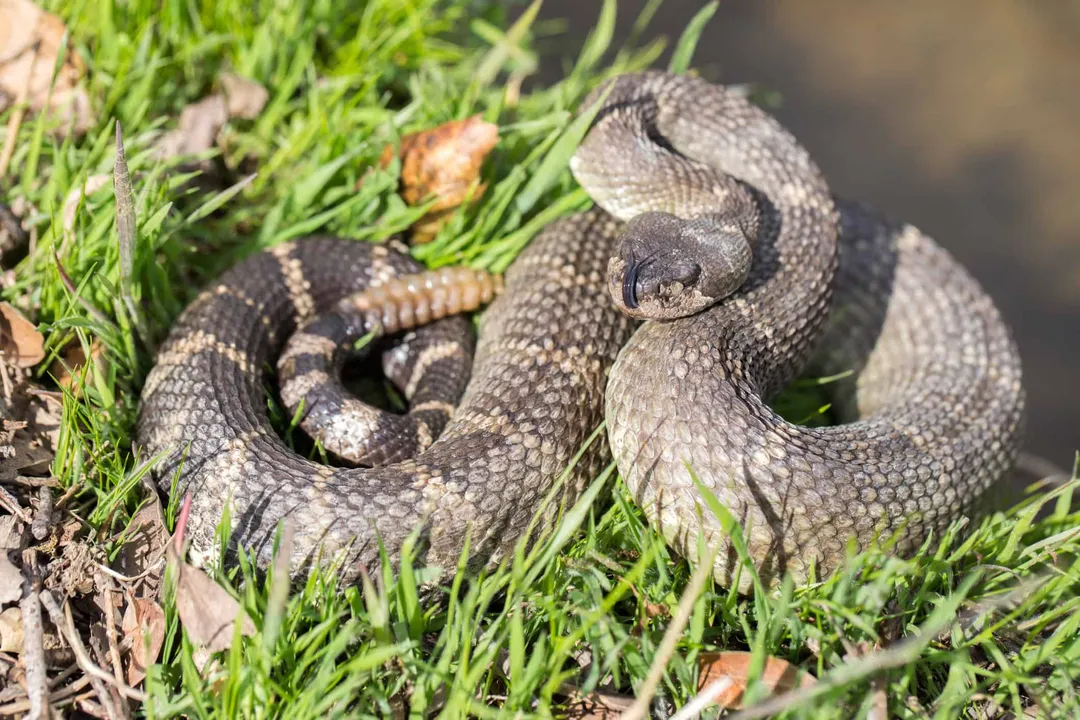
The Western Rattlesnake exerts significant regulatory pressure on local rodent populations due to its specialized diet. When these snakes are actively present and controlling the numbers of mice, voles, and gophers, the ecosystem remains balanced. However, if these snakes are intentionally or unintentionally removed from a specific territory, this regulatory pressure immediately ceases. Consequently, the existing rodent populations are released from this primary source of predation, which frequently results in a noticeable increase in their numbers shortly thereafter, potentially leading to greater agricultural or structural pest issues.
Related Questions
What prey forms the foundation of the adult Western Rattlesnake's diet across most distribution?Which prey item is juvenile *C. oreganus* disproportionately likely to consume?What primary method does the Western Rattlesnake use to secure prey?After striking prey, what cues does the Western Rattlesnake use to track the animal?What significant ecological service does the Western Rattlesnake provide by consuming small mammals?Which prey item heavily features in drier, inland California diets versus cooler British Columbia diets?What physical state follows the consumption of a substantial meal for *Crotalus oreganus*?Why are juvenile Western Rattlesnakes initially concentrated on smaller ectotherms?Which groups of prey are generally considered opportunistic rather than a dietary cornerstone for *Crotalus oreganus*?What consequence is noted when *Crotalus oreganus* populations are removed from a local area?