What adaptations must the ray's sensory systems possess for foraging in Amazonian tributaries?
Answer
Highly specialized systems adapted for low-visibility foraging due to sediment or tannins
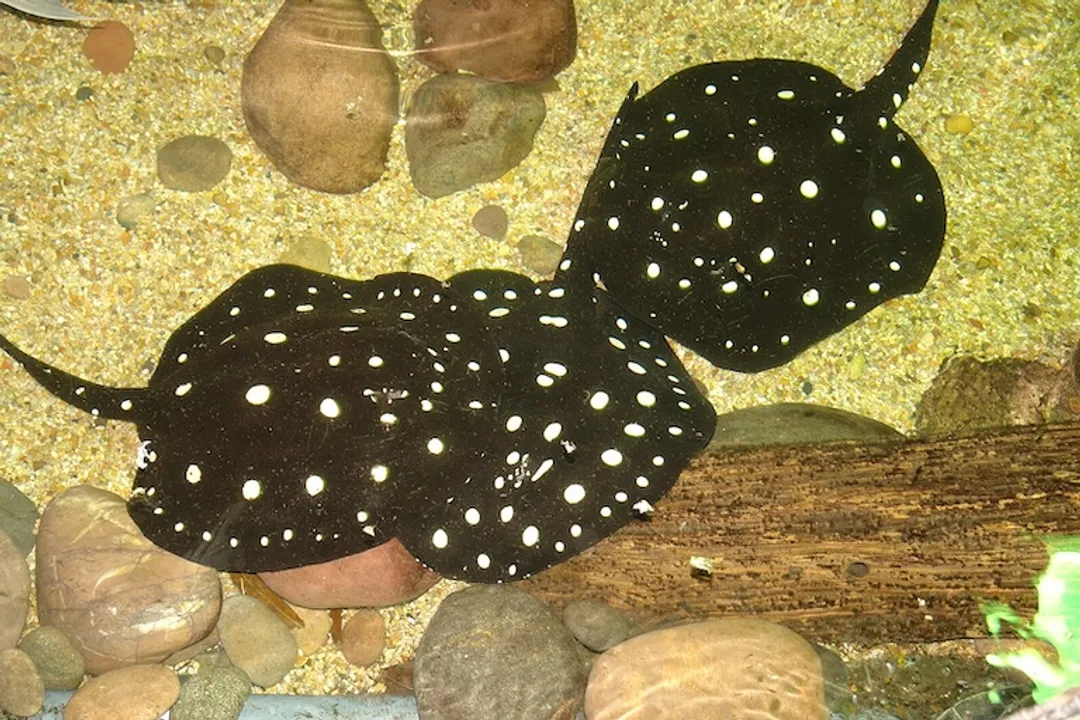
The typical conditions in large Amazonian tributaries often involve water that is heavily stained by tannins or thick with suspended sediment, resulting in very poor visibility. To effectively locate buried prey in these conditions, the Xingu River Ray's sensory capabilities must be highly specialized. This adaptation centers on keen electroreception and other tactile senses that allow it to forage successfully when sight becomes unreliable, enabling it to detect invertebrates and small vertebrates hidden beneath the river floor.
Related Questions
Where is the Xingu River Ray (*Potamotrygon leopoldi*) exclusively found?What characterizes the striking disc coloration of *P. leopoldi*?What is the preferred habitat zone for the Xingu River Ray?What primary food sources constitute the diet of this benthic carnivore?Approximately what diameter can adult Xingu River Rays reach?How does *P. leopoldi* differ from the vast majority of stingrays regarding habitat?What behavior helps the ray camouflage while resting or ambushing prey?What human activity poses a major pressure due to the ray's visual appeal?Why does the endemic nature of the Xingu River Ray increase its vulnerability?What adaptations must the ray's sensory systems possess for foraging in Amazonian tributaries?Which primary environmental pressures threaten the Xingu River Ray population?