Xingu River Ray Facts
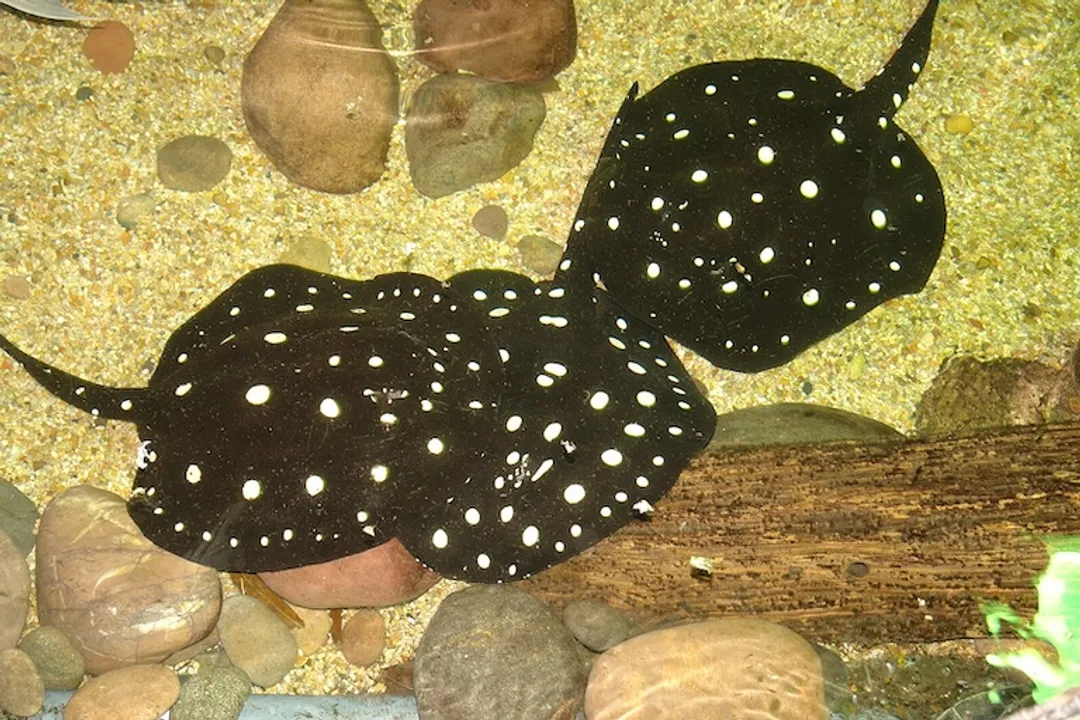
The Xingu River Ray, scientifically known as Potamotrygon leopoldi, is one of the Amazon basin's most distinct and visually arresting inhabitants. [7][8] Unlike the vast majority of stingrays that thrive in marine environments, this species is a true freshwater specialist, making its home exclusively in the specific river system that gives it its name. [1][6] Often called the White-blotched River Stingray, its appearance sets it apart immediately, featuring a stark, high-contrast coloration that hints at its unique evolutionary path away from its saltwater cousins. [8]
# River Basin
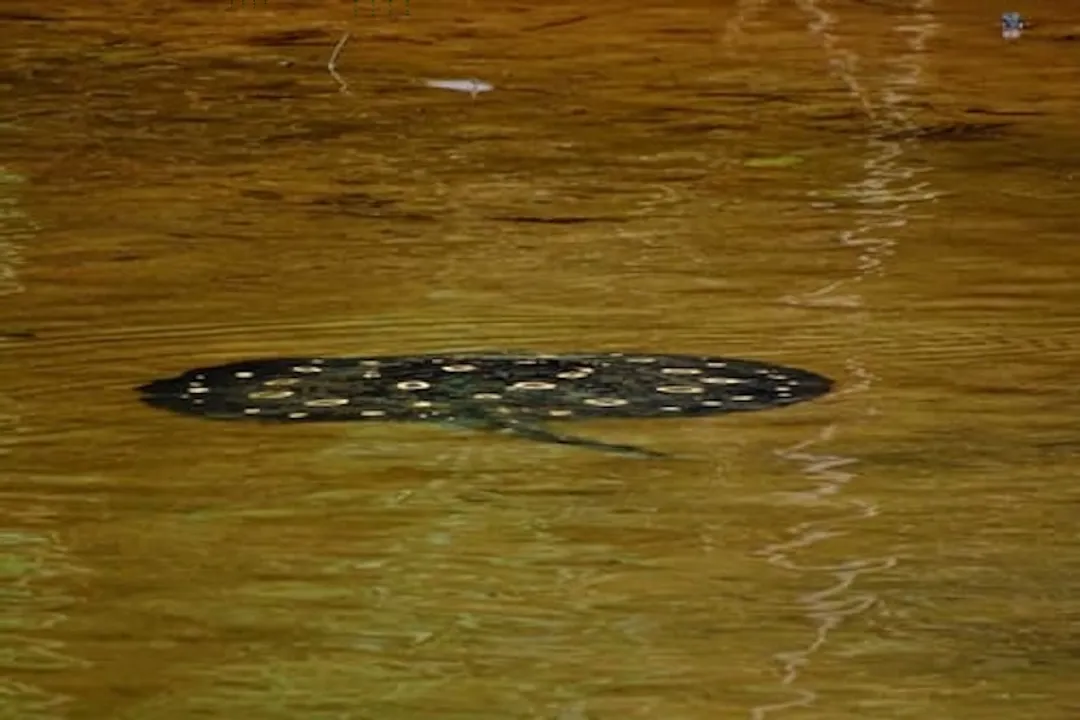
The geographic range of this fascinating ray is incredibly restricted, a characteristic that significantly impacts its survival profile. [1] The Xingu River Ray is endemic, meaning it is found nowhere else on Earth outside of the Xingu River system in Brazil. [1][6] The Xingu River itself is a major tributary of the Amazon, but its waters and ecosystem have long been isolated by geological features, fostering unique biological diversity among its inhabitants. [1][6] This endemic nature means that any significant environmental disturbance within the Xingu basin can have catastrophic, localized effects on the entire species population. [6] The habitat preference within this river is generally for the benthic zone, meaning it spends its life near or on the bottom, often preferring areas with slower currents where sediment can settle. [5][9] Considering the conditions typical of large Amazonian tributaries—often murky water stained by tannins or heavy sediment load—the ray’s specialized sensory systems must be highly adapted to low-visibility foraging. [5]
# Spot Pattern
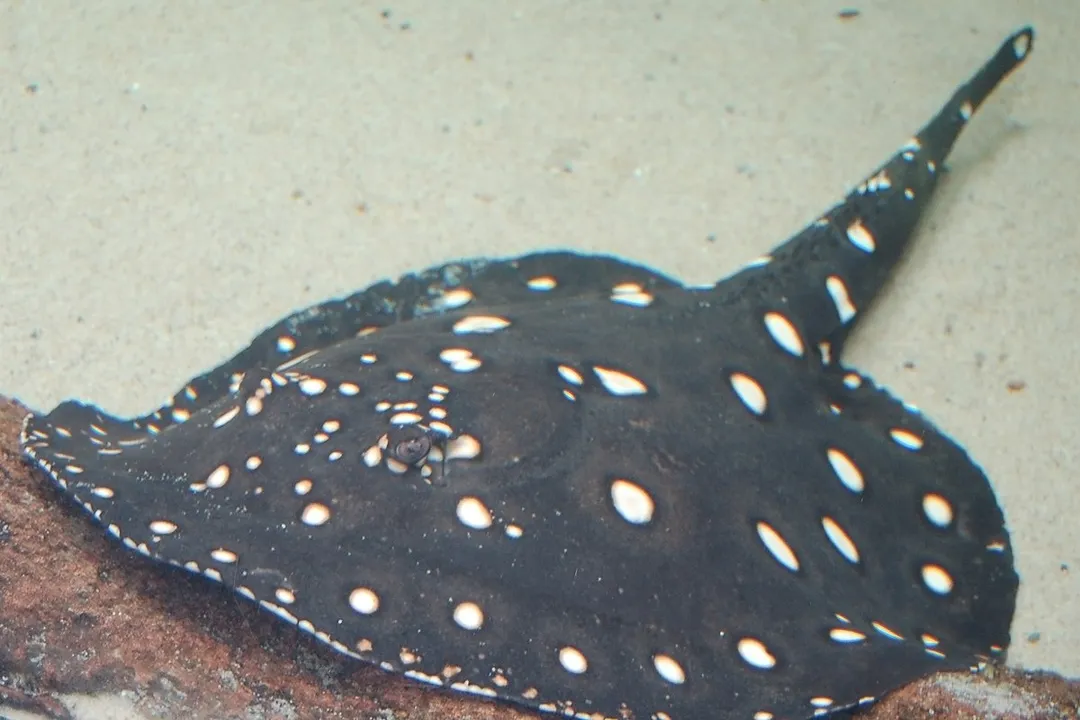
The physical signature of P. leopoldi is its striking disc coloration. [7] The body, which is wide, flat, and roughly circular, typically presents a dark background, often described as black or very dark grey. [1][7] Scattered across this dark canvas are prominent white or yellowish circular markings, giving rise to its common name. [1][7] While the exact number and arrangement vary between individuals, observers commonly note between five and ten distinct spots. [7] This pattern provides a stark contrast to many other Potamotrygon species which might feature more subtle speckling or uniform coloration. [7] The disc is relatively flat, an essential characteristic for an organism that spends most of its life pressed against the river substrate, minimizing drag and maximizing contact for sensory detection of prey buried beneath the fine silt or sand. [5] Adults can reach diameters of about 50 centimeters, though larger specimens have been documented. [1][7]
# Bottom Dweller
Life on the river bottom dictates the ray's entire existence, from its shape to its diet. [5] As a benthic carnivore, the Xingu River Ray primarily feeds on the invertebrates and small vertebrates that inhabit the sediment layer. [1] Its diet typically consists of small fish, aquatic worms, and various crustaceans and mollusks that it locates using electroreceptors on its underside, a feature common to all elasmobranchs, but honed for freshwater foraging. [1][5] When resting or ambushing prey, these rays often partially bury themselves in the substrate, leaving only their eyes and spiracles visible above the silt. [5] This behavior provides excellent camouflage from predators above and allows them to ambush passing food items. [5] Like all stingrays, defense is managed via a venomous barb located near the base of its tail. [1][2] This spine is covered in a protective sheath and is used as a last resort when the animal feels directly threatened, such as being stepped on or aggressively handled. [5]
If we consider the energetic trade-off between defense and movement, a creature so heavily adapted to resting on the substrate would likely evolve a very potent, localized venom, rather than relying on speed or evasion in the often slow-moving waters of its home. [5]
| Feature | Xingu River Ray (P. leopoldi) | Typical Marine Stingray (General) |
|---|---|---|
| Habitat | Freshwater (Xingu River) [1][6] | Saltwater/Brackish Water [1] |
| Background Color | Dark/Black [1][7] | Variable (Sandy, Mottled) [1] |
| Markings | Large, distinct white/yellow spots [7] | Often small spots, bands, or uniform [1] |
| Lifestyle Adaptation | Benthic specialist in turbid water [5] | Highly varied, often open-water or sandy bottom [1] |
# Status Threats
Unfortunately, this specialized existence also renders the Xingu River Ray vulnerable to external pressures. [6] The species is generally considered at risk, with some assessments placing it in the Vulnerable category or even higher, depending on the specific assessment body. [1][6] The primary threats stem from human activities directly impacting the Xingu ecosystem. [1][6]
One significant concern involves pollution originating from nearby human settlements and industrial activities within the river basin. [1] Chemical runoff and general habitat degradation compromise the water quality necessary for these sensitive freshwater organisms to thrive. [6]
Another major pressure comes from the international aquarium trade. [1][6] Because of their small size relative to many marine rays and their stunning visual appeal, P. leopoldi are highly sought after by collectors. [1] While responsible captive breeding programs exist and are crucial for maintaining the species outside its native habitat, the collection of wild-caught specimens directly removes individuals from a small, already vulnerable population pool. [6] Protecting this ray requires strict enforcement of environmental regulations within the Xingu watershed and careful monitoring of the collection trade to ensure that the removal of individuals does not exceed the population's natural rate of replenishment. [6] Managing the balance between conservation in the wild and sustainable trade practices is key to the long-term survival of this uniquely patterned Amazonian resident. [1]
Related Questions
#Citations
Xingu River ray - Wikipedia
Xingu River Ray Facts & Photos | Wowzerful
Xingu River Ray Facts - Fact Animal
Xingu River ray - Facts, Diet, Habitat & Pictures on Animalia.bio
Xingu River ray Facts for Kids
Xingu River ISRA - Important Shark Ray Areas
Xingu freshwater stingray • Potamotrygon leopoldi • Fish sheet
White-blotched River Stingray | Lincoln Park Zoo
Xingu River ray - Grokipedia