Xingu River Ray Locations
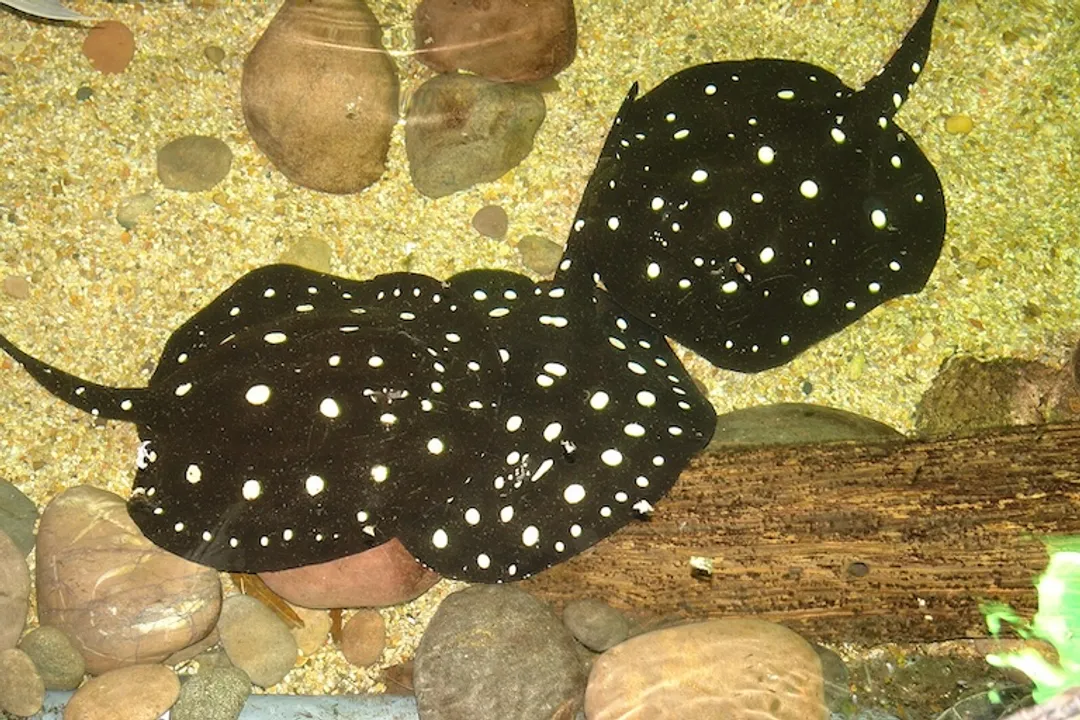
The Xingu River Ray, often sharing its name with the specific South American river system that serves as its home, represents a fascinating chapter in freshwater ichthyology. Known scientifically within the Potamotrygon genus, these cartilaginous fish are far more than just swimming discs; they are specialized inhabitants of one of the world's most dynamic river networks. While the name points directly to the Xingu River as the primary location of origin, understanding where they are found requires looking both at the remote jungle tributaries and the carefully controlled environments of international aquariums.
# River System
The defining characteristic of this ray’s natural habitat is, unsurprisingly, the Xingu River itself. This significant waterway flows through Brazil and holds immense ecological importance as a major tributary of the mighty Amazon River. The Xingu is renowned for its complex hydrology and clear waters, which contrast with the turbid, or muddy, waters of some other Amazonian rivers. This clarity is often cited as a factor in the visibility and development of the striking patterns these rays possess.
The existence of the Xingu River Ray in this specific location speaks to the evolutionary isolation and unique conditions provided by the river basin. While the general classification of Potamotrygon species is widespread across South American freshwater systems, the specific designation related to the Xingu implies either a high degree of endemism or a particularly well-studied population originating there. Any threat to the Xingu River's ecosystem, such as dam construction or pollution, immediately becomes a direct threat to the ray populations that call it home, making the geographical source intrinsically linked to its conservation status.
It is worth noting that while the Xingu is the namesake, other closely related Potamotrygon species, sometimes confusingly grouped under similar common names, can be found in neighboring river systems, making precise identification crucial for serious naturalists or aquarists. However, when discussing the Xingu River Ray specifically, the focus remains squarely on that particular watershed.
# Physical Traits
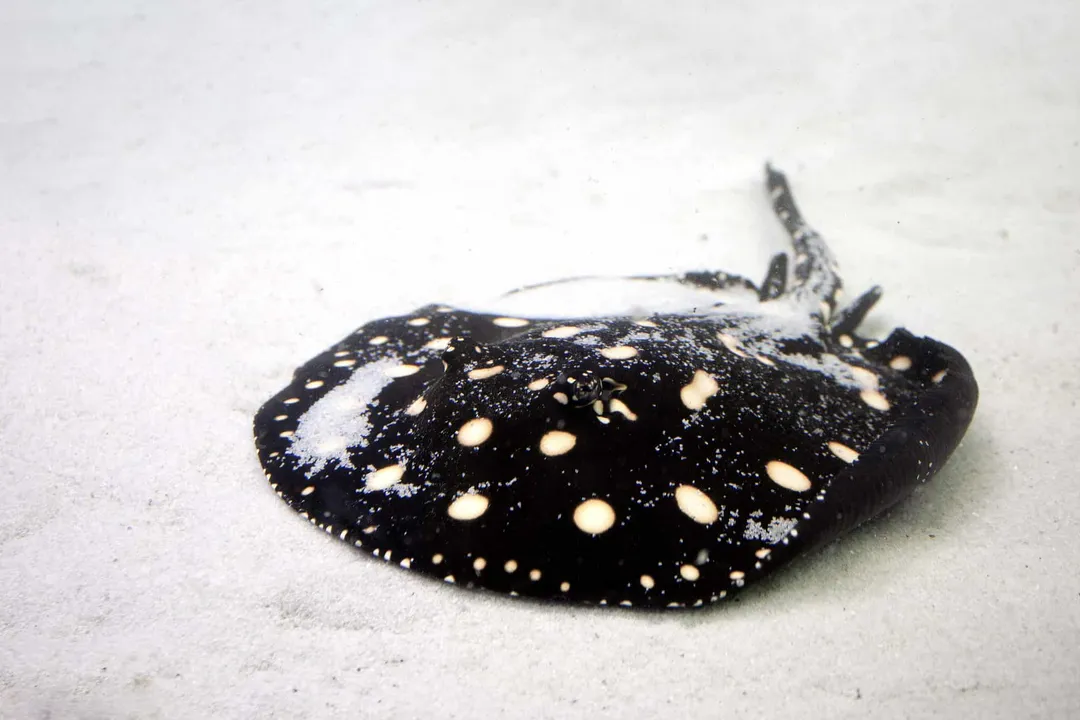
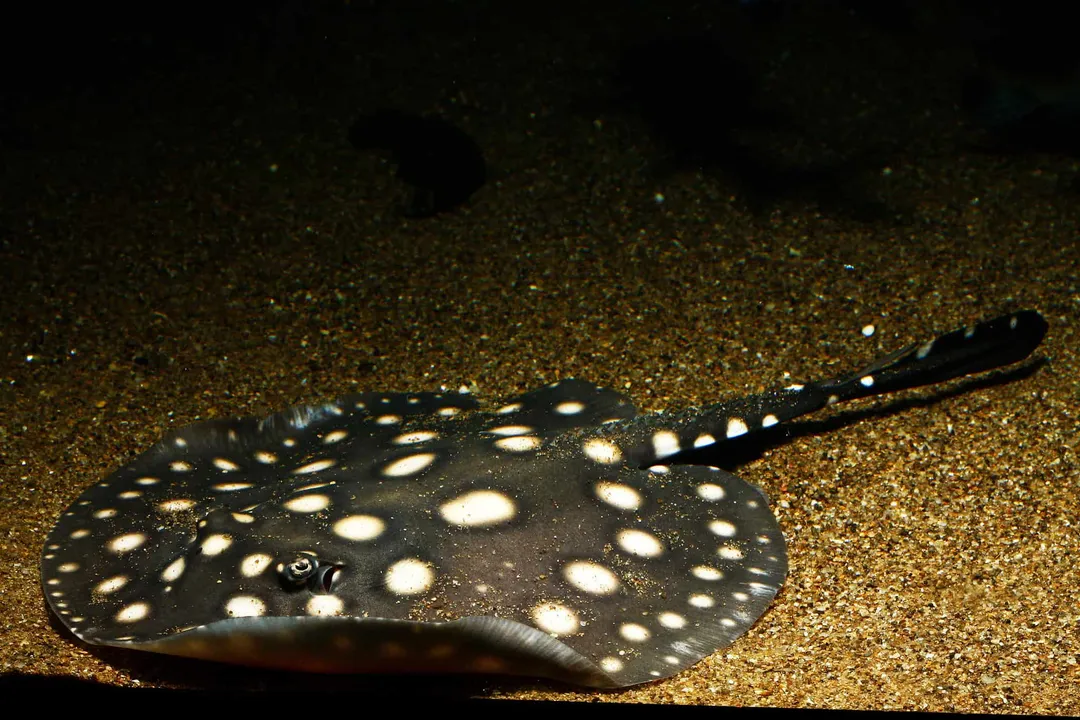
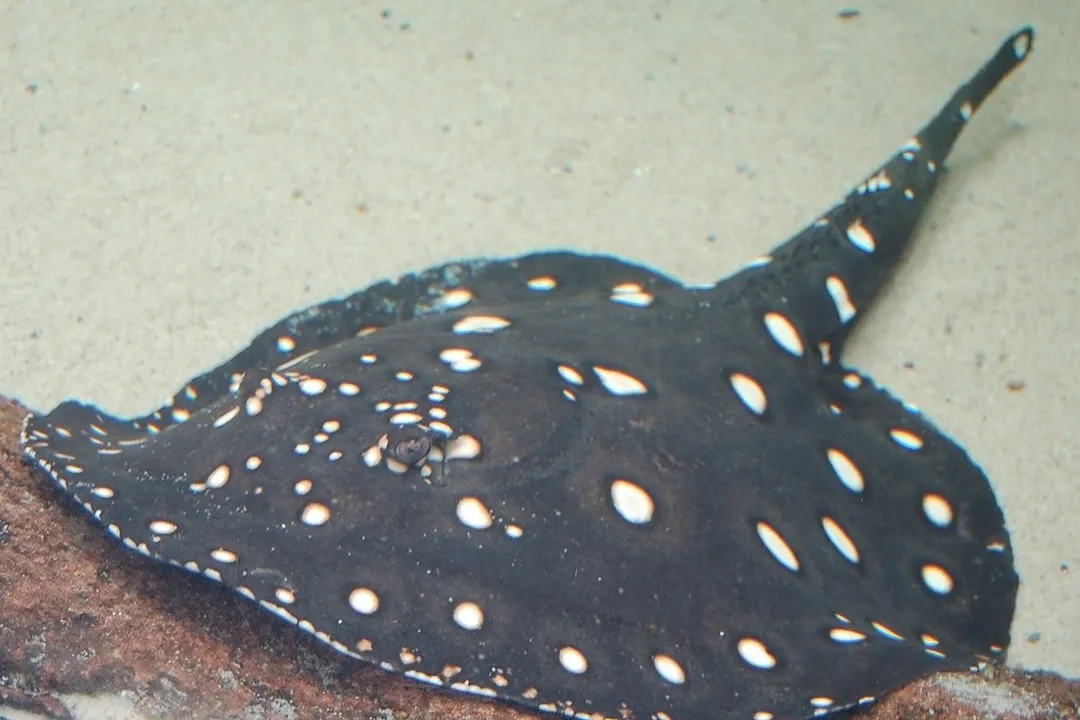
The appearance of the Xingu River Ray is distinct, setting it apart from its marine cousins. These are freshwater stingrays, characterized by a flattened, disc-shaped body that is often described as round. In many instances, the ray is specifically identified as the White-blotched River Stingray. This name derives from the prominent markings that adorn their dorsal surface.
Typically, the base coloration is dark—shades of brown, black, or deep gray—which provides excellent camouflage against the river bottom substrate. Scattered across this dark background are lighter markings, frequently described as white or pale yellow spots or blotches. The intensity and pattern of these spots can vary significantly between individual rays and possibly even based on their immediate environment or stress level. Unlike some marine rays, freshwater species like this one are generally smaller in overall disc diameter, though specific maximum sizes are subject to variation across sources. The tail, armed with a venomous barb used for defense, necessitates caution from anyone encountering them in the wild or even when observing them in controlled settings.
One interesting observation when comparing images of these rays is the subtle variation in spot aggregation. Some specimens appear heavily peppered, while others display larger, more distinct, single blotches. This variability suggests that precise pattern recognition could be used to identify specific local populations within the Xingu system, although this level of granularity is rarely documented outside specialized scientific studies.
# Captive Locations
While the native habitat is geographically confined to the Xingu, the ray’s fame has led to its presence in specialized zoological and public aquarium settings around the world. These institutions serve dual roles: public education and, critically, the preservation of the species through captive breeding programs.
Institutions that have publicly displayed or maintained this species include:
- Biodome of Montreal: This facility specifically houses the Xingu River Stingray, allowing visitors to view the freshwater species in an environment simulating its natural South American habitat.
- Living Planet Zoo (LPZ): Located in Calgary, Canada, LPZ has also featured the White-blotched River Stingray among its collection.
- Aquarium (AQUA): This organization also highlights the White-blotched River Stingray, often providing educational materials about their unique freshwater adaptation.
The ability to maintain these rays outside of Brazil confirms that while the Xingu River is their origin, their environmental needs—specifically temperature, substrate, and water quality—can be replicated with sufficient expertise. Observing them in these controlled environments offers a rare chance to appreciate their morphology and feeding behaviors up close, far from the Amazon basin.
This international spread of captive individuals, though small in number compared to wild populations, provides a baseline for genetic banking should the wild populations face catastrophic decline.
# River Life Ecology
In their natural setting, Xingu River Rays are benthic—they live and move along the bottom substrate of the river. This positioning dictates their diet and activity patterns. As carnivores, their primary food sources consist of small invertebrates and bottom-dwelling organisms native to the Xingu.
Their diet generally includes:
- Worms
- Small crustaceans
- Other small benthic invertebrates
They use their keen senses to detect prey buried in the sand or mud, typically feeding by hovering close to the bottom and rapidly sucking in their food. Their disc shape is perfectly suited for moving across soft sediment or resting partially buried, which also serves as an excellent defense mechanism against larger predators in the river. The constant flow of the Xingu River means the water is typically well-oxygenated, which is vital for these highly active bottom-dwellers.
When considering the ecological pressures on a species restricted to a single major river system, the interplay between the ray's bottom-feeding habits and the riverbed composition is fascinating. The ray's diet directly impacts the benthic community structure, and conversely, the geological makeup of the Xingu—its sandbars, gravel beds, and muddy pockets—directly influences where the rays can effectively hunt and rest. If human activity were to radically alter the sediment load entering the river, it would likely have a cascading effect on the ray’s ability to forage, even before considering chemical pollution.

# Insights on Specificity and Care
The fact that a ray species is so strongly associated with one river system, despite freshwater rays existing across many South American basins, underscores a high degree of habitat specialization. While many sources confirm the Xingu as the primary location, the very existence of these animals in major North American and Canadian zoos highlights a paradox: their home is intensely specific, yet their survival in captivity proves their basic biological requirements are transferable, provided the artificial environment is meticulous. This distinction between geographical origin and environmental necessity is crucial for conservation planning; protecting the Xingu River is paramount, but understanding the species’ tolerance for parameters like flow rate and substrate type, as demonstrated by captive successes, informs best practices for managing peripheral or at-risk wild pockets.
For those interested in the environmental requirements that make the Xingu so unique, a key takeaway from observing captive management is the requirement for spatial dynamics. These rays are not typical column swimmers; they need significant uninterrupted bottom surface area relative to their disc size. A common oversight when replicating river environments is failing to provide enough flat, open floor space, leading to stress or injury as the ray cannot display its natural resting or foraging behavior. If a standard 100-gallon tank might house a few tropical fish, a single Xingu River Ray often requires much more floor space than height, making their husbandry more challenging than it first appears. This practical aspect demonstrates that simply replicating the chemistry of Xingu water is insufficient; one must replicate the physics of its slow, flat-bottomed dwelling spaces.
The Xingu River Ray remains an emblem of the biodiversity harbored within the Amazonian tributaries, a creature defined by the geography of its name, yet maintained for education across continents.
Related Questions
#Citations
Xingu River Ray Fish Facts - Potamotrygon leopoldi - A-Z Animals
Xingu River ray - Wikipedia
White-blotched River Stingray | Lincoln Park Zoo
Exploring South America's Xingu River | TFH Magazine
White-Blotched River Stingray - National Aquarium
Xingu River Ray Facts - Fact Animal
Xingu River Ray - NatureRules1 Wiki - Fandom
Polka dots in nature on the polka dot fish - Facebook
Xingu River stingray | Space for life