Xingu River Ray Diet
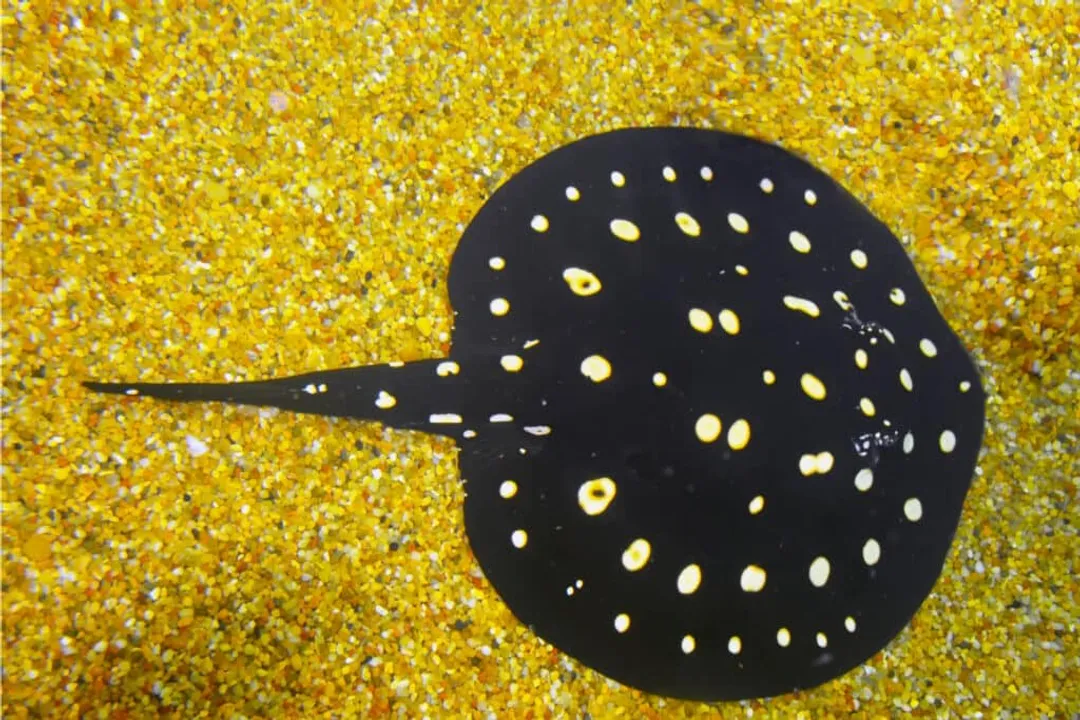
The Xingu River Ray, scientifically known as Potamotrygon leopoldi, holds a specific niche within the complex ecosystem of its Amazonian home. As a freshwater stingray, its dietary habits reveal much about its adaptation to the environment found within the Xingu River basin, a major tributary of the Amazon. Unlike many marine relatives, this species has evolved entirely within a freshwater context, dictating a specialized menu sourced from the riverbed. Understanding what passes between its mouth and its powerful jaws offers a window into the health and composition of this unique South American waterway.
# River Dwelling
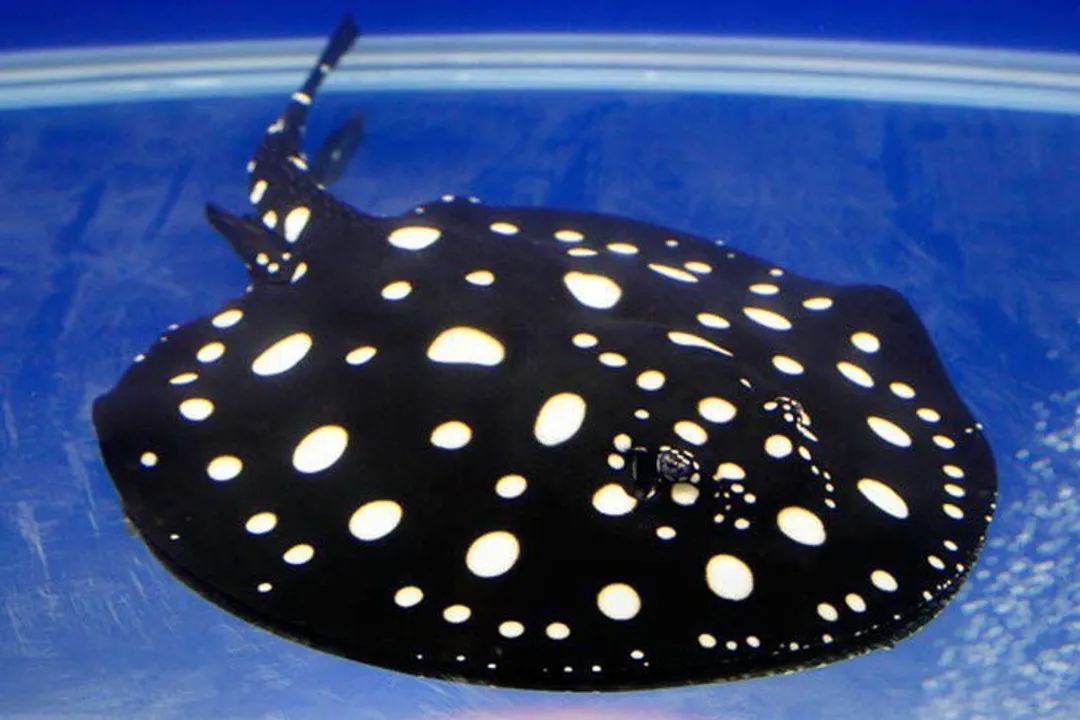
The environment the Xingu River Ray calls home is integral to understanding its feeding strategy. This species is exclusively freshwater, residing in the Xingu River system. This geographical isolation means its food sources are limited to what the river naturally provides, setting it apart from brackish or marine stingrays. In its native habitat, the ray is a bottom-dweller, which directly correlates with its feeding behavior—it forages along the substrate where benthic organisms thrive. The specific conditions of the Xingu, whether it involves softer sediment or rockier outcrops where mollusks might cling, influence where these rays spend their time hunting.
# Crushing Power
The most remarkable feature related to the Xingu River Ray’s diet is not what it eats, but how it manages to consume it. This ray is classified as a mollusk-eater, relying heavily on prey protected by hard exoskeletons or shells. To access the soft tissue inside, the ray possesses jaws with an astonishing degree of strength. Its teeth are specifically adapted for crushing hard materials, rather than the cutting or tearing functions seen in other fish. In fact, the structure is so formidable that it can successfully process food items harder than its own jaws are made of, which is a testament to specialized evolutionary pressure. This adaptation suggests a long history of contending with heavily calcified prey in its ecosystem.
# Prey Types
The foundation of the Xingu River Ray’s sustenance rests upon invertebrates found near or on the river bottom. The primary components of its diet are mollusks, specifically both bivalves and gastropods. These shelled creatures form the bulk of its required calories, necessitating the powerful jaws previously discussed. However, the diet is not entirely restricted to these hard-shelled items. The ray also incorporates other bottom-dwelling fare, including various crustaceans and occasional small fish. The relative proportion of fish versus mollusks in the wild can fluctuate depending on seasonal availability, but the specialization towards crushing prey remains a defining characteristic of P. leopoldi.
A comparison of the Xingu River Ray's diet with some of its marine counterparts shows a strong parallel in feeding guild, even across different salinity levels. Marine stingrays that frequent sandy bottoms also often target buried mollusks and crustaceans. The difference here is the adaptation to a perpetual, non-tidal freshwater environment, which leads to a more stable, albeit possibly less diverse, prey base dominated by the local freshwater mollusks.
# Feeding Behavior Analysis
The ray's reliance on crushing hard shells points toward a behavioral strategy centered on thorough substrate investigation. Unlike a predatory fish that might chase down swift-moving prey, the Xingu River Ray spends its time sifting or rooting through the substrate to locate stationary or slow-moving, protected organisms. The successful navigation of the Xingu River's bottom features—perhaps encountering densely packed gravel beds or areas rich in ancient, hard-shelled bivalves—would favor individuals with the most potent crushing plates. One can infer that a ray successfully exploiting a patch of gravel or clay laden with robust snails would achieve higher caloric intake than one restricted to softer mudflats, creating a form of natural selection based on crushing efficiency and positional awareness along the river floor. This specialization likely means that the ray is less equipped to efficiently hunt soft-bodied, fast-swimming prey, reinforcing its role as a specialized benthic processor.
# Captive Diet
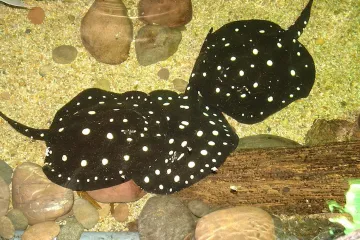
For aquarists who keep the White-blotched River Stingray, understanding this natural diet is critical for ensuring the animal's longevity and health. Simply providing standard fish flakes or soft meaty chunks will not satisfy its biological requirements or maintain the necessary function of its specialized jaw structure. To properly replicate the necessary wear and mechanical stimulation, the captive diet must contain high-calcium, hard-shelled items. This translates practically to feeding whole, shelled prey items regularly. Suitable examples often include high-quality, frozen or live clams, mussels, or even hard-shelled shrimp, provided they are free of potential contaminants. If whole shelled prey is unavailable or insufficient, owners must ensure that the provided meaty foods are supplemented with calcium to support bone and dental structure, even though this cannot fully replicate the mechanical action of crushing a shell. The failure to provide sufficient crushing material in captivity risks dental deterioration or improper jaw development, as the jaws are designed for rigorous mechanical work. Monitoring the ray’s body condition is key; a ray refusing hard items may indicate injury or an inability to process the food, requiring veterinary attention rather than simply substituting softer food sources.
Related Questions
#Citations
Xingu River Ray Fish Facts - Potamotrygon leopoldi - A-Z Animals
Xingu River ray - Facts, Diet, Habitat & Pictures on Animalia.bio
White-Blotched River Stingray - National Aquarium
Xingu River Ray Facts & Photos | Wowzerful
Xingu River ray - Wikipedia
Reticulated freshwater stingray in Brazil - Facebook
White-blotched River Stingray - Sedgwick County Zoo
Stingrays Eat Food That Is Harder Than Their Own Jaws - Forbes
Xingu River Stingray - Potamotrygon leopoldi - Sharks and Rays