How does *P. leopoldi* differ from the vast majority of stingrays regarding habitat?
Answer
It is a true freshwater specialist
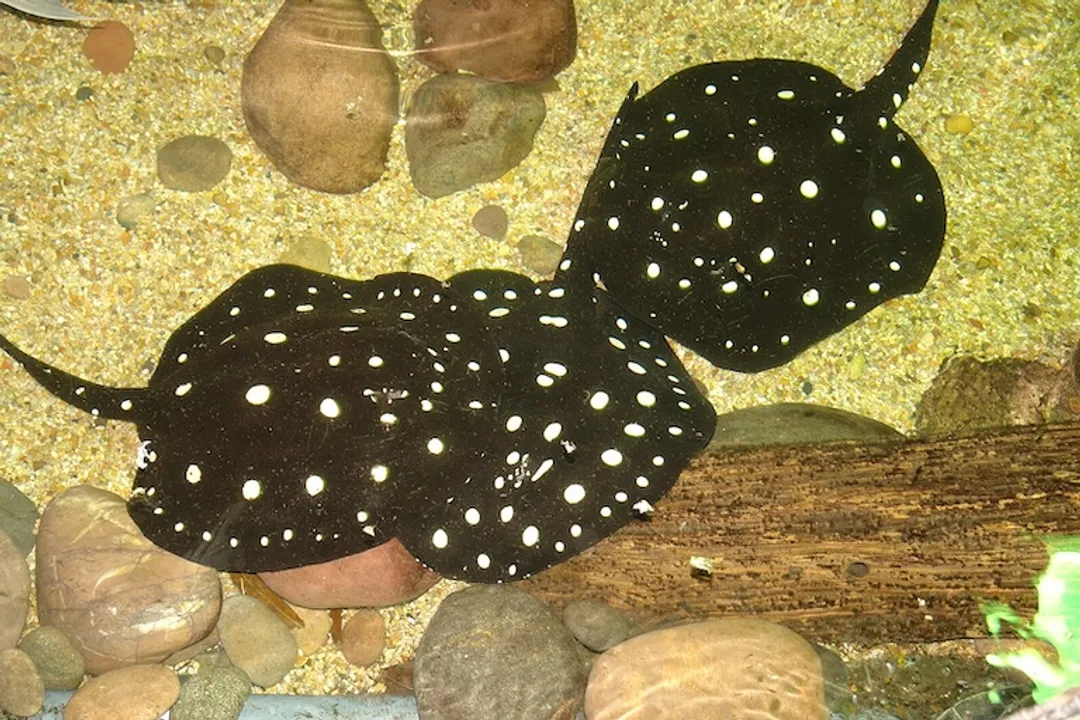
A defining characteristic that separates the Xingu River Ray from the overwhelming majority of its relatives is its habitat requirement. While most stingrays are adapted to thrive in marine or brackish water environments, *P. leopoldi* is strictly a freshwater species. It makes its exclusive home within the Xingu River system, demonstrating a specialized evolutionary divergence away from its saltwater counterparts into the challenging, sediment-laden waters of the Amazon basin.
Related Questions
Where is the Xingu River Ray (*Potamotrygon leopoldi*) exclusively found?What characterizes the striking disc coloration of *P. leopoldi*?What is the preferred habitat zone for the Xingu River Ray?What primary food sources constitute the diet of this benthic carnivore?Approximately what diameter can adult Xingu River Rays reach?How does *P. leopoldi* differ from the vast majority of stingrays regarding habitat?What behavior helps the ray camouflage while resting or ambushing prey?What human activity poses a major pressure due to the ray's visual appeal?Why does the endemic nature of the Xingu River Ray increase its vulnerability?What adaptations must the ray's sensory systems possess for foraging in Amazonian tributaries?Which primary environmental pressures threaten the Xingu River Ray population?