X-Ray Tetra Facts
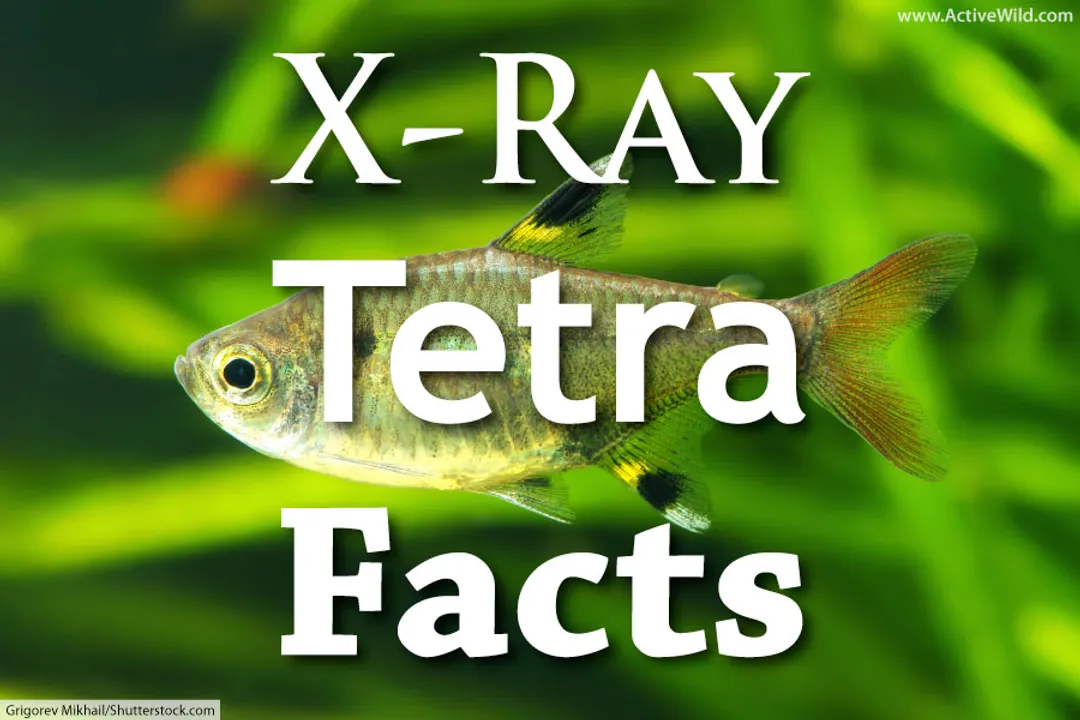
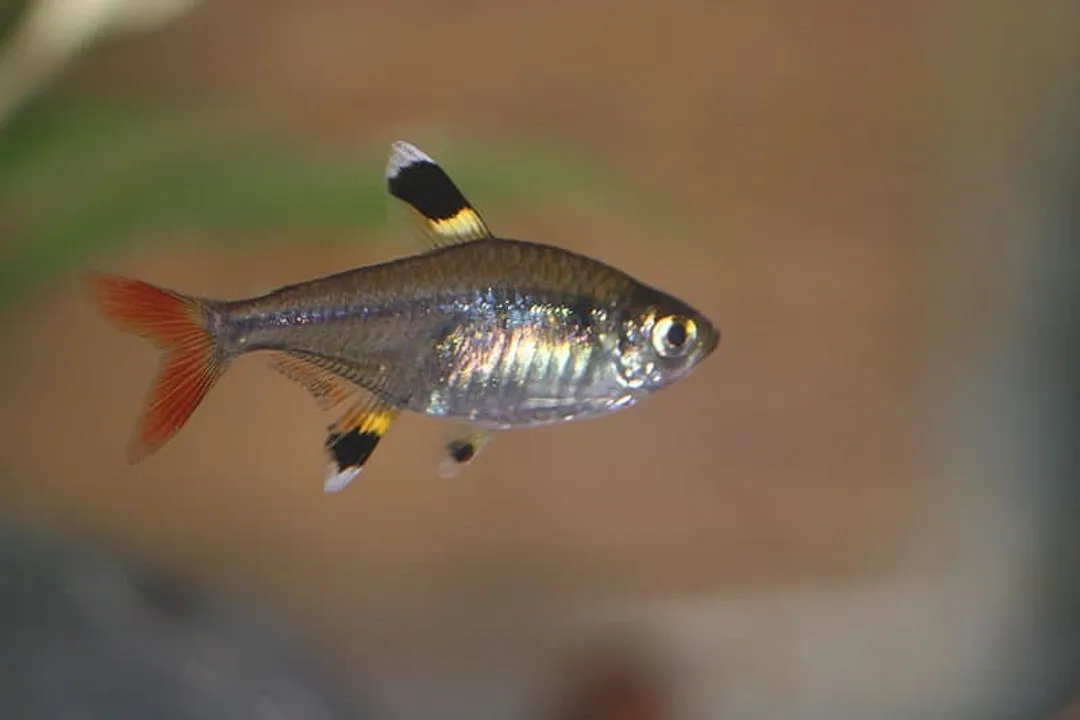
The X-Ray Tetra, scientifically known by its binomial name Pristella maxillaris, holds a special place in the freshwater aquarium hobby, largely due to its remarkably translucent body. [1][3][4][5][6] This characteristic is so pronounced that it gives the fish its common name, as much of its skeletal structure and internal organs are visible through the skin, resembling an X-ray image. [1][3][6][10] While this level of transparency might suggest vulnerability in the wild, these small, active fish thrive in their native environments. [6] As a member of the Characidae family, they belong to the same group as many other popular tetras, but their unique appearance sets them apart immediately from their less see-through relatives. [4]
# Striking Anatomy
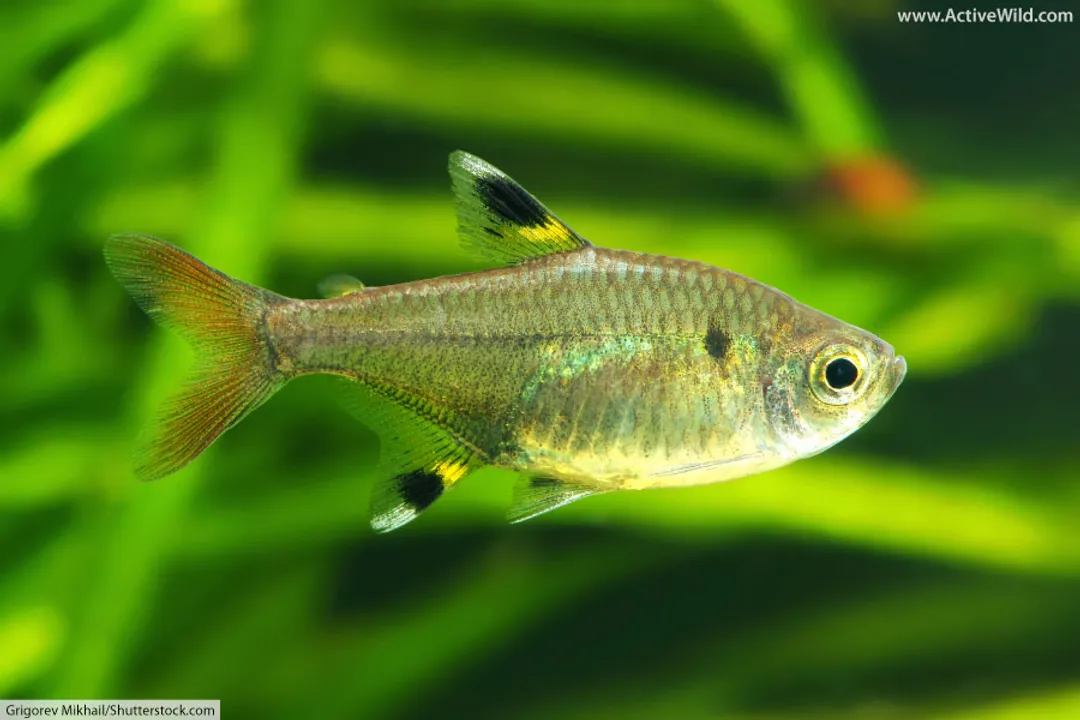
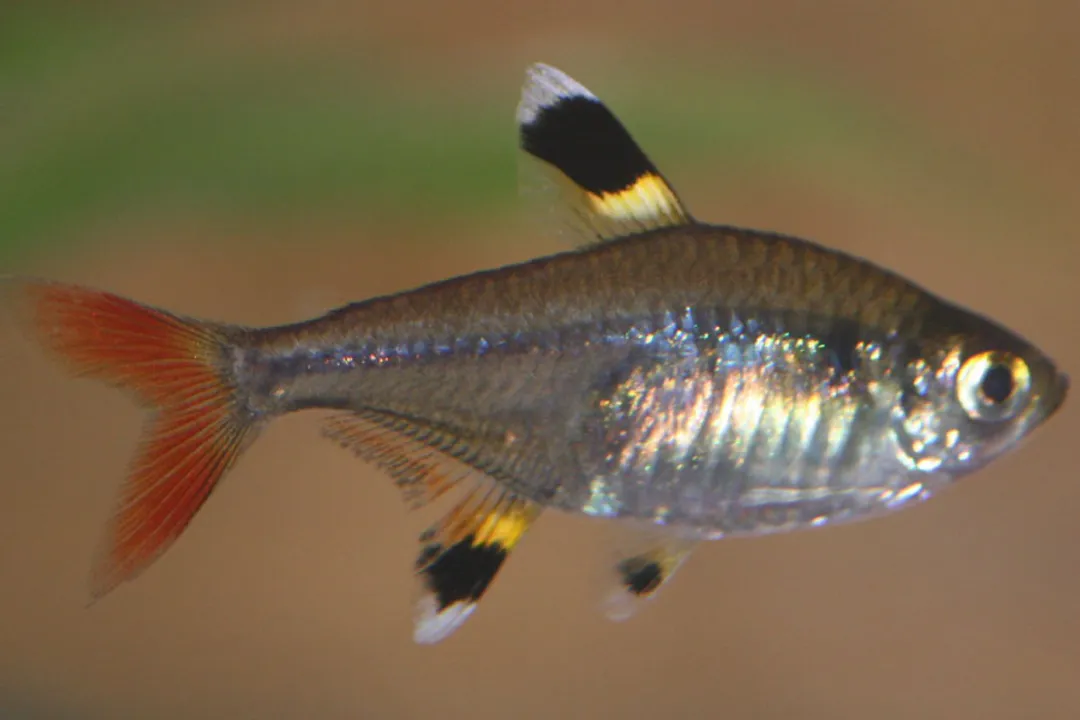
The defining feature of the X-Ray Tetra is undoubtedly its near-invisibility, a condition often described as a silvery or clear body. [5][10] Unlike many aquarium inhabitants whose vibrant colors serve as camouflage or display, the X-Ray Tetra’s primary defense seems to be blending into the environment through sheer lack of pigmentation in the main body mass. [1][6] They generally reach a maximum size of about 1.5 inches, or approximately 4 centimeters, in an aquarium setting. [4][5][6] Despite the ghostly appearance of the body, their fins often display subtle coloration, frequently appearing reddish-orange or yellowish, sometimes accented with dark spots. [5][6] This contrast between the clear body and the colored fins adds an unexpected splash of color to the tank. [5] The scientific name, Pristella maxillaris, is noted to refer specifically to the structure of its jaw. [4]
A rather useful observation for new aquarists is how this transparency influences tank maintenance perception. Since the fish itself offers little visual obstruction, any subtle cloudiness in the water column or accumulation of detritus that might be missed when observing an opaque fish becomes immediately apparent when viewing the X-Ray Tetra swimming through it. [2] This makes them, unintentionally, very strict litmus tests for water clarity; if the water looks less than crystal clear when viewing the fish, it’s definitely time for a water change or filter cleaning. [2]
# Native Range
These little swimmers hail from the diverse and warm waters of South America. [4][5][6] Specifically, their natural habitat encompasses parts of the Amazon and Orinoco River basins. [4][5][7] These regions provide varied water conditions, but X-Ray Tetras are typically found in areas characterized by slower currents, often inhabiting blackwater or clearwater streams and tributaries. [4][5][7] The water chemistry in these native environments tends to be soft and slightly acidic to neutral, which is an important clue for replicating their environment in captivity. [4][7] Understanding their South American origins explains their preference for warmer water temperatures, a necessity that must be maintained for long-term health in a home aquarium. [5]
# Schooling Life
X-Ray Tetras are classic members of the tetra group, meaning they possess a strong social inclination and thrive only when kept in appropriate numbers. [5][6] They are described as peaceful community fish. [4][5][6] Keeping them singly is strongly discouraged, as solitary fish will become stressed, timid, and may refuse to eat or exhibit erratic behavior. [5][7] The consensus among aquarists is that a minimum school size should be six individuals to allow them to feel secure enough to display natural behaviors. [5][7]
This social structure is more than just a preference; it’s a survival mechanism. When schooling, they appear more confident, swim more actively, and often show off their subtle fin colors better. [4] While they are peaceful, it is important to consider tankmates carefully. They do well with other similarly sized, non-aggressive community fish, such as other tetras, Corydoras catfish, or small rasboras. [4][5] Pairing them with overly large, boisterous, or known fin-nippers should be avoided to prevent stress and injury to their delicate fins. [5]
It is worth noting that while six is the suggested minimum, many experienced hobbyists find that larger groups offer even greater rewards. When schooling dynamics are truly established—often with ten or more individuals—the fish exhibit far less stress and hesitation. A larger group tends to move as a cohesive unit, leading to much more confident swimming patterns and significantly reducing instances of minor aggression or bullying that can sometimes arise from undersized, stressed groups feeling insecure in their environment. [2]
# Aquarium Needs
Setting up a suitable home for Pristella maxillaris requires attention to size, temperature, chemistry, and feeding practices. [4][5][7]
# Tank Setup
For a small school, a tank size starting at 10 gallons is often recommended as the minimum viable home. [5][7] Given their small adult size, this allows adequate swimming room for a group of six to eight. The tank should be well-established, meaning it has gone through a proper nitrogen cycle before the fish are introduced. [7]
Because they originate from areas with vegetation, providing some form of aquascaping is beneficial. [5] Dense planting, especially floating plants that diffuse the light, can help these slightly timid fish feel more secure. [5] They prefer stable conditions, so robust filtration is necessary, but the flow should not be too powerful, as they are not built for high-current environments. [4]
# Water Parameters
Maintaining the correct water chemistry is key to their hardiness. [5] They tolerate a range of conditions, but optimal parameters help them thrive:
| Parameter | Recommended Range | Notes |
|---|---|---|
| Temperature | 72°F to 82°F (22°C to 28°C) | Must be kept warm; avoid large fluctuations. [4][5][7] |
| pH Level | 6.0 to 7.5 | Slightly acidic to neutral is preferred. [5][7] |
| Water Hardness (GH) | 5 to 12 dGH | Soft to moderately hard water is suitable. [5][7] |
Consistency is perhaps more important than hitting exact numbers within the acceptable range. [5] Weekly partial water changes are necessary to maintain low nitrate levels and replenish essential minerals. [7]
# Diet Requirements
The X-Ray Tetra is classified as an omnivore. [4][5][7] In a captive setting, they require a varied diet to ensure complete nutrition, as a single food source will lead to deficiencies over time. [5] Their primary diet should consist of high-quality, small flake or micro-pellet foods formulated for community fish. [4][7]
To supplement this staple, they greatly appreciate occasional feedings of small live or frozen foods. Good options include brine shrimp, Daphnia, or mosquito larvae (bloodworms). [5][7] Providing these meaty treats not only ensures better color retention and vigor but also mimics the varied diet they would consume in the wild. [4] Be mindful of the size of the food; their small mouths mean that large flakes or pellets must be broken down before feeding to prevent choking or waste. [7]
# Breeding Basics
While not exceptionally difficult, breeding X-Ray Tetras requires a bit more dedication than simply keeping them happy in a community tank. [5] Successful reproduction depends heavily on conditioning the parent stock and providing specific water conditions in a dedicated spawning tank. [5]
# Spawning Setup
To encourage spawning, the condition of the parents is paramount; they must be well-fed on a rich, high-quality diet for several days prior. [5] The actual spawning tank should be small and set up with soft, slightly acidic water, perhaps slightly warmer than the main tank temperature. [5] It is often recommended to fill the tank with dechlorinated water and use fine-leaved plants or spawning mops, as the eggs are adhesive and require a surface to stick to. [4][5] The substrate should ideally be removed to prevent the adults from consuming the eggs. [5]
# Egg Laying
Once introduced, the pair will typically engage in a courtship dance before the female releases her eggs, which the male immediately fertilizes. [4] The eggs are scattered and allowed to adhere to the plants or surfaces provided. [5] After spawning is complete—which can take several hours—the parents must be removed immediately, as they will readily eat their own eggs. [5]
# Fry Rearing
The eggs usually hatch within 24 to 36 hours, depending on the temperature. [5] For the first few days, the newly hatched fry will subsist on their yolk sacs. [5] Once they become free-swimming, they require very fine sustenance, such as infusoria or commercial fry powder, before they can graduate to microworms or newly hatched brine shrimp nauplii. [5] Maintaining pristine water quality in the fry tank is critical, as their small size makes them extremely susceptible to ammonia or nitrite spikes. [5] With consistent feeding and clean water, these tiny fish can grow quickly, developing their characteristic silvery sheen as they mature. [4]
#Videos
X-Ray (Pristella) Tetra Care and Breeding - YouTube
Related Questions
#Citations
X-Ray Fish - Facts and Beyond | Biology Dictionary
X is for X-Ray Tetra - National Aquarium
X-ray Fish Fun for Kids: Facts & Coloring Page Activities
Pristella maxillaris - Wikipedia
Pristella Tetra (X-Ray): Care, Diet, Tank Mates & More!
X-Ray Tetra Fish Facts - Pristella maxillaris - A-Z Animals
Pristella Tetra - Fish Lore
X-Ray Tetra Facts, Pictures & Information - Active Wild
X-Ray (Pristella) Tetra Care and Breeding - YouTube
X-Ray Tetra - Animals | HowStuffWorks