Xingu River Ray Scientific Classification
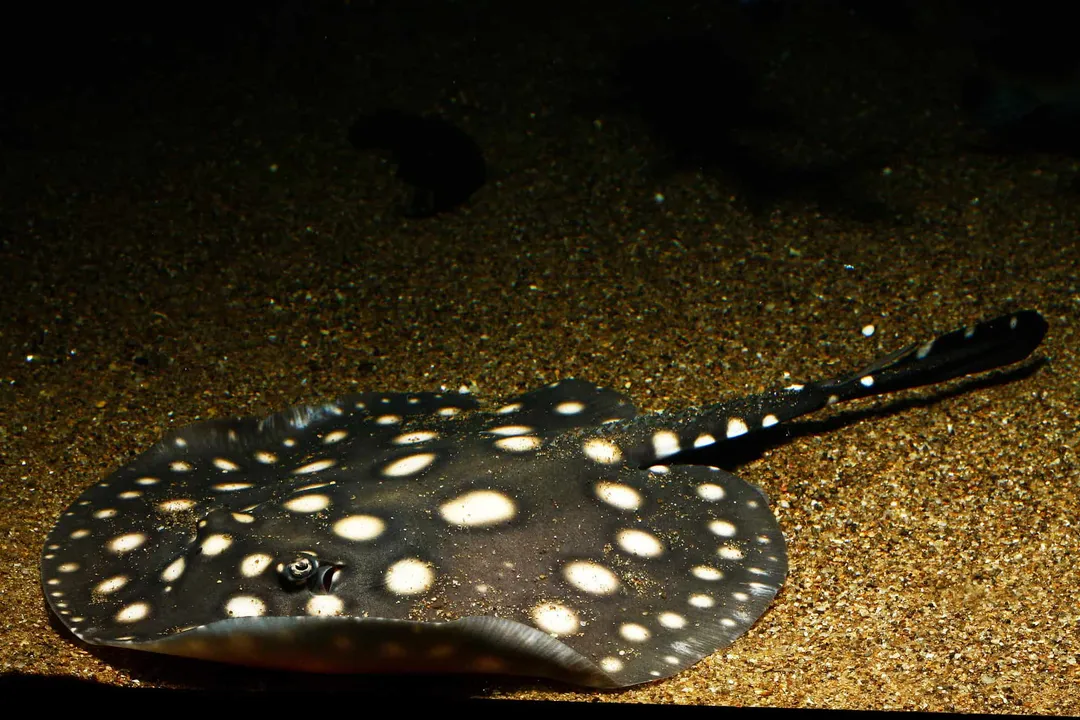
The mesmerizing creature known variously as the Xingu River Ray or the White-blotched river stingray immediately captures the attention of aquarists and ichthyologists alike, primarily due to its distinct, high-contrast markings. However, understanding this animal requires looking past its striking visual appeal and delving into its precise position within the biological hierarchy—its scientific classification. This placement reveals not just its evolutionary relationships but also the unique geological history that shaped its existence in the Amazon basin.
# Taxonomic Rank
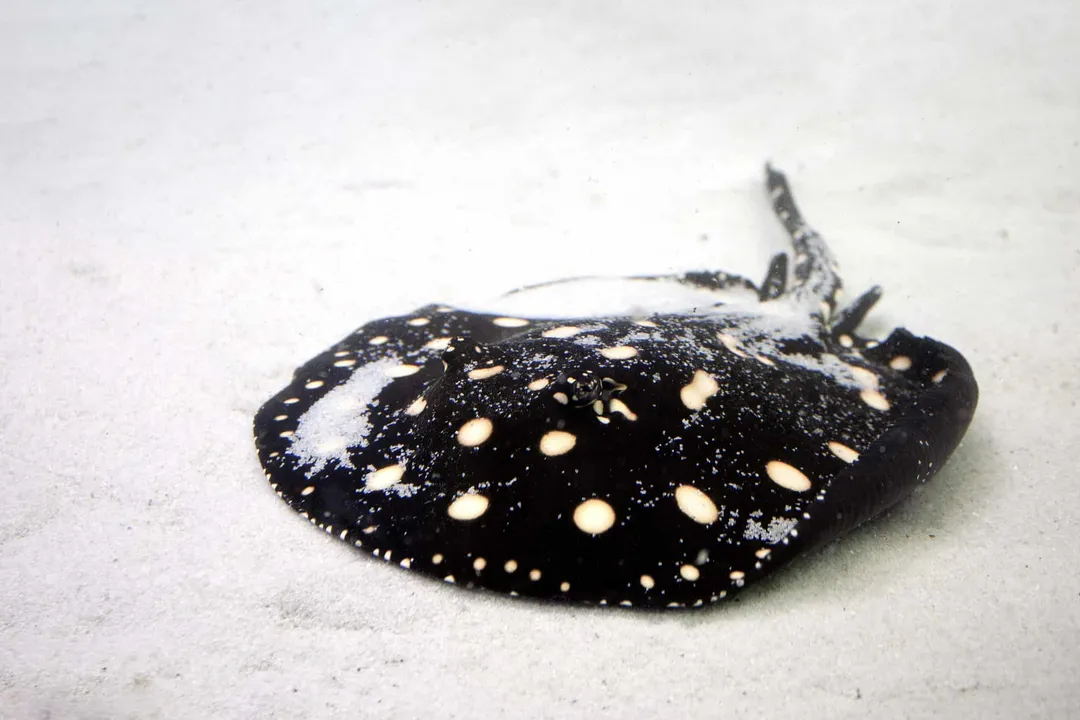
The scientific classification of any organism begins at the broadest levels, assigning it a place within the grand scheme of life on Earth. For the Xingu River Ray, these initial groupings situate it firmly within the animal kingdom and specifically within the group of cartilaginous fishes.
At the highest level, the ray belongs to the Kingdom Animalia, indicating it is a multicellular, heterotrophic organism. Moving down, it falls under the Phylum Chordata, characterized by having, at some stage in development, a notochord, dorsal nerve cord, and gill slits.
The next significant grouping is the Class Chondrichthyes, the cartilaginous fishes. This places the ray alongside sharks and skates, distinguishing it from bony fish (Osteichthyes) by the fact that its skeleton is primarily composed of cartilage rather than bone. Its specific Order is Myliobatiformes, which encompasses the stingrays, characterized by having pectoral fins fused to the head, giving them a flattened, disk-like body shape.
# Family Placement
The crucial demarcation for freshwater rays comes at the Family level: Potamotrygonidae. This family is unique because it contains the exclusively freshwater stingrays found in South America, specifically within the Amazon and Orinoco river systems. The existence of this entire family within freshwater environments, rather than the more common marine habitats of most stingrays, is a remarkable evolutionary adaptation. This placement immediately signals that the Xingu River Ray is specialized and geographically restricted compared to its saltwater relatives. The common name, White-blotched river stingray, directly reflects its family affiliation and preferred habitat, a useful shorthand for those seeking to identify it outside formal scientific literature.
# Species Identity
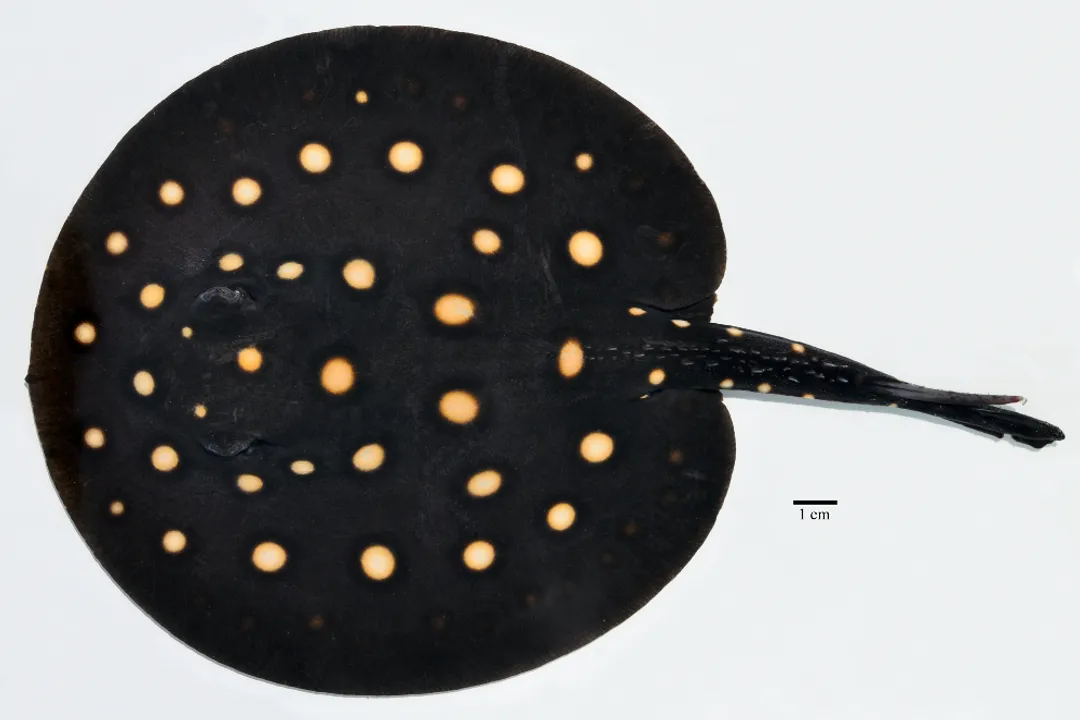
The specific identity of this ray is encapsulated in its binomial nomenclature, the two-part scientific name assigned by Linnaean taxonomy. The recognized scientific name for the Xingu River Ray is Potamotrygon leopoldi.
The Genus name, Potamotrygon, is derived from Greek roots, combining potamos (river) and trygon (stingray), aptly summarizing the family's defining feature: stingrays that live in rivers. The species epithet, leopoldi, honors someone, though the exact context may vary across historical records, it serves to distinguish this species from others within the Potamotrygon genus.
When dealing with scientific classification, synonymy—the existence of historical or discarded names—is common. For Potamotrygon leopoldi, a historically used name was Potamotrygon sp., where 'sp.' is an abbreviation for species, indicating it was recognized as distinct but perhaps not formally described or assigned a specific epithet at that moment. Furthermore, some databases or older literature might list it simply under the broader Potamotrygon genus without the specific leopoldi designation until more definitive field identification was made.
The combination of the genus and species names provides an immediate and unambiguous reference for researchers globally, overriding regional common names which can often be misleading or overlap across different, though perhaps visually similar, species. If you encountered this ray in an aquarium setting, for instance, asking for the Potamotrygon leopoldi ensures you are referring to the species endemic to the Xingu drainage, not a related species like P. motoro or P. histrix.

# Morphological Correlation in Classification
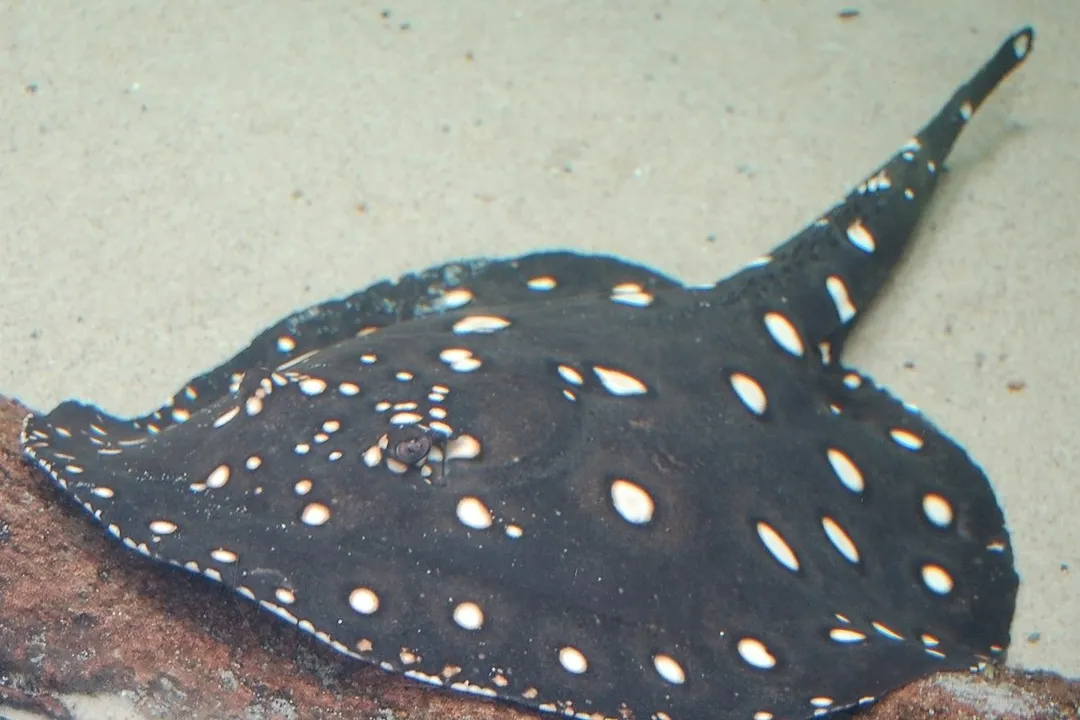
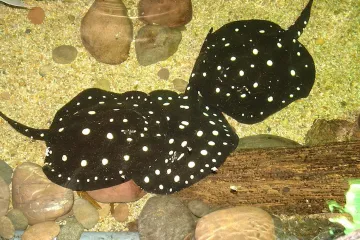
The scientific classification is intrinsically linked to the physical characteristics that define the species. Potamotrygon leopoldi is visually striking, often possessing a dark brown to black dorsal surface covered in bright white or yellowish spots, which can sometimes coalesce into larger blotches, giving rise to the common descriptor "White-blotched".
The overall size is also a factor in species identification, although this can vary with age and environment. While general stingray sizes are broad, this species is typically noted for having a disc width that can reach up to 50 centimeters or more in mature specimens. These physical traits—the pattern, the coloration, and the morphology of the disc—are the traits that taxonomists used, alongside genetic analysis, to establish P. leopoldi's placement within Potamotrygon and separate it from its neighbors in the river system.
It is fascinating to consider how specialized the common names are in reflecting taxonomy. While “Xingu River Ray” anchors the animal geographically, linking it to the specific tributary system that defines its habitat, the “White-blotched river stingray” focuses on the key visual characteristic that separates it morphologically from other Potamotrygon species found elsewhere in the Amazon. This duality in common naming often serves as an excellent, if informal, quick-reference guide for those working directly with the specimens.
# Geographical Specificity and Endemism
The most critical piece of context informing the classification of Potamotrygon leopoldi is its geographical origin: the Xingu River. Rivers like the Xingu, which flow into the Amazon, often create isolated evolutionary laboratories. Because this ray is classified as belonging to a family of freshwater rays that are poor dispersers across large, high-gradient barriers, its entire existence is tied to that specific drainage basin.
The classification Potamotrygon leopoldi implies a degree of endemism—meaning it is found nowhere else naturally on Earth. This restriction is not just a neat fact for a classification chart; it has profound ecological implications. Any significant alteration to the Xingu River’s hydrology, such as the construction of large hydroelectric dams which block upstream or downstream movement, presents a direct and immediate threat to the entire species population because there is no secondary refuge population elsewhere. This high level of specialization, cemented by its taxonomic identification, translates directly into a heightened conservation vulnerability compared to widely distributed marine stingrays.
# Comparative Taxonomy
To truly appreciate the classification of P. leopoldi, one must briefly compare it to related groups within the same family. The Potamotrygon family contains numerous recognized species, each distinguished by subtle differences in spot size, coloration, body shape, and DNA sequencing.
For example, another well-known Amazonian species might exhibit numerous small, uniform spots, whereas P. leopoldi is characterized by its larger, often more irregularly shaped white markings against a dark background. Taxonomic work relies on these consistent, measurable differences to assign the leopoldi designation rather than lumping it into a more general category. The genus Potamotrygon itself differentiates these freshwater inhabitants from the marine Trygon genus, for example.
The data available through scientific databases often summarizes this information in a structured way, which can be helpful for quick comparison of key identifiers:
| Taxonomic Level | Classification | Notes |
|---|---|---|
| Kingdom | Animalia | Multicellular, mobile |
| Phylum | Chordata | Possesses a notochord (at some stage) |
| Class | Chondrichthyes | Cartilaginous skeleton |
| Order | Myliobatiformes | Flattened body, pectoral fins fused to head |
| Family | Potamotrygonidae | Exclusively freshwater stingrays |
| Genus | Potamotrygon | River stingrays of South America |
| Species | P. leopoldi | Designated by its specific morphology and genetics |
| Common Name | Xingu River Ray | Reflects endemic habitat |
This table demonstrates the hierarchical nature of the classification, where each step narrows the description until the unique identity of Potamotrygon leopoldi is isolated.
# Information Stability
Scientific classification, while generally stable once a species is formally described, is always subject to refinement based on new evidence, especially genetic sequencing. While the placement of P. leopoldi within the Potamotrygonidae family seems well-established based on morphology and geography, ongoing molecular studies sometimes reveal that what was once considered a single species is actually two or more cryptic species that look nearly identical but are reproductively isolated. For the Xingu River Ray, the current consensus holds the Potamotrygon leopoldi designation, suggesting that, for now, its morphological and genetic markers strongly support its current specific classification relative to its nearest relatives within the genus.
The designation of this species, alongside others like it in the family, serves as the baseline for all subsequent ecological studies, conservation assessments, and legal protection efforts. Without the precise scientific naming convention, any discussion about its habitat impact, captive breeding programs, or biodiversity reporting would devolve into confusing local descriptions. The classification is, therefore, the foundation upon which all applied knowledge about the Xingu River Ray rests.
Related Questions
#Citations
Xingu River ray
Xingu River Ray Fish Facts - Potamotrygon leopoldi
Xingu River Ray (Potamotrygon leopoldi)
Potamotrygon leopoldi, White-blotched river stingray
Xingu River Ray - NatureRules1 Wiki - Fandom
White-blotched river stingray
Potamotrygon leopoldi
Xingu River stingray | Space for life
Xingu River ray Facts for Kids