In a temperate climate during mid-January, why might consuming sap offer a more energy-efficient feeding strategy than seeking insect larvae?
Sap provides readily accessible carbohydrates requiring less energy expenditure than digging for dormant larvae in freezing wood.
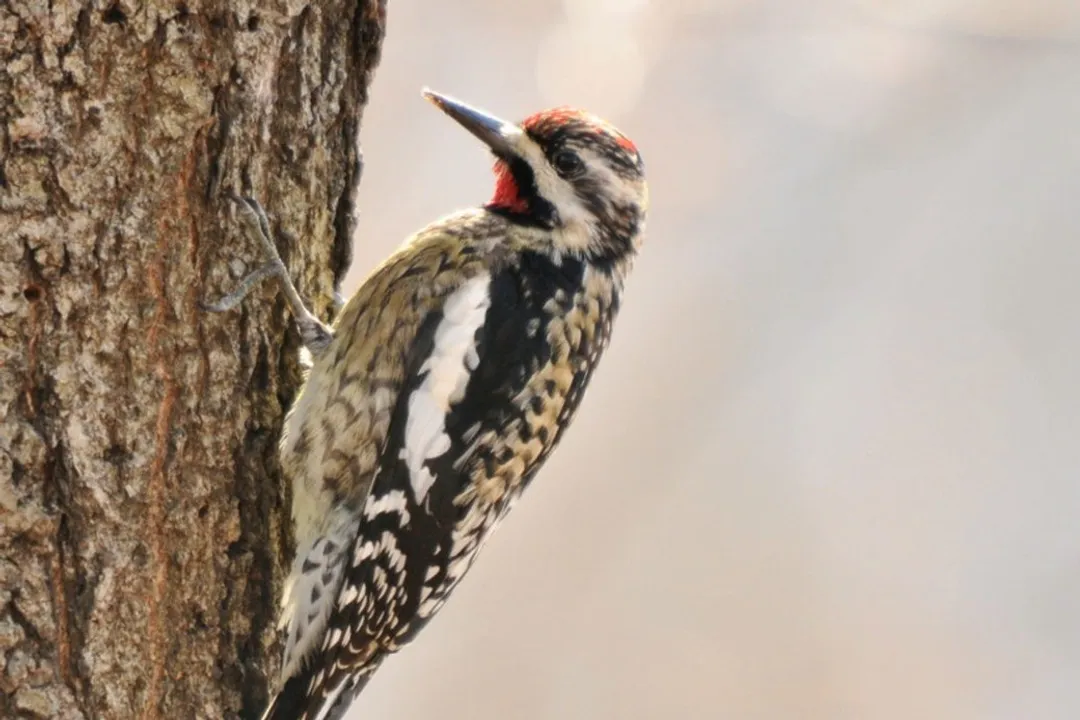
The Sapsucker's ability to shift between sap-sipping and insect-gleaning is a highly efficient energy conservation strategy, particularly vital during deep winter months in temperate zones like mid-January. Sap, essentially sugar water, offers immediate and relatively accessible carbohydrates. Seeking out dormant insect larvae, however, requires significant energy expenditure to dig through freezing, dense wood, often resulting in a lower return on investment relative to the calories burned. Therefore, prioritizing the sugar water provides a readily available, lower-effort caloric reward that helps the bird survive periods when high-protein meals are scarce or extremely difficult to obtain, maximizing efficiency when food resources are scarce.
#Videos
Yellow-bellied Sapsucker. A real bird! Exciting Facts for You!