Yellow Bellied Sapsucker Diet

The Yellow-bellied Sapsucker presents one of the most specialized feeding styles in the avian world, setting it apart from its woodpecker relatives whose diets lean heavily on insects excavated from wood. While many birds rely on the predictable bounty of the forest floor or the canopy, the sapsucker dedicates a significant portion of its existence to an almost agricultural pursuit: farming tree sap. [1][3] This seemingly simple preference for liquid sustenance masks a complex relationship with its woody environment and dictates much of its yearly movement and behavior. [4]
# Sap Drilling
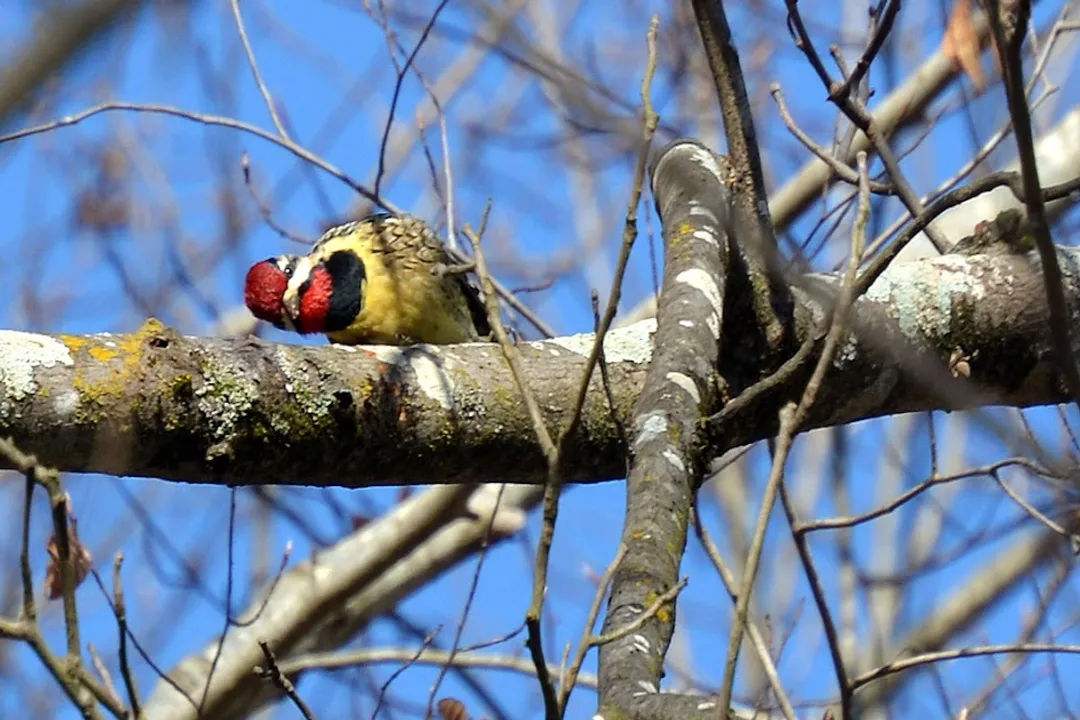
The technique employed by the Yellow-bellied Sapsucker is instantly recognizable to anyone familiar with its presence in woodlands. [3] Rather than drilling deep holes to reach grubs, the sapsucker drills neat, shallow holes—known as wells—into the bark and outer sapwood of living trees. [1][4][7] These wells are typically arranged in orderly rows or patches on the trunk or limbs. [1]
The process is systematic. A bird may start by creating very shallow depressions in the bark. [4] Once the initial puncture is made, the sap begins to ooze out. The sapsucker will revisit these spots, often repeatedly, returning to drink the sugary liquid. [1][4] If the initial wells do not produce a sufficient flow, the bird will create deeper wells nearby or expand the existing ones. [4] This methodical tapping is crucial, particularly during late winter and early spring when other high-energy food sources are still dormant or unavailable. [1][7] Observing a tree marked by these birds reveals the dedication involved; a single tree can host hundreds of these tiny sap reservoirs. [7]
# Food Composition
While tree sap is the headline act, the sapsucker's diet is not exclusively vegetarian. [4] The liquid diet is supplemented by insects that become trapped in the sticky, flowing sap. [1][3][7][10] This secondary food source becomes increasingly important as the season progresses. [4]
In late winter and early spring, the primary energy source is undoubtedly the rising sugar content in the sap, which provides necessary calories when overwintering insects are hard to find. [4][7] However, as summer approaches and insects become abundant, the sapsucker incorporates more animal protein into its meals. [4] They may even actively probe the bark or the edges of their wells to catch small arthropods that are attracted to the sweet bait. [4] Furthermore, the bird will occasionally consume berries or fruit when they become available, but the foundation of its year-round sustenance remains the combination of sap and trapped invertebrates. [1][4]
It is fascinating to consider that, unlike species that rely on excavation for food, the sapsucker maintains its primary food supply through constant maintenance of its wells, an activity requiring significant energy investment. [4] This suggests a strong evolutionary trade-off, favoring a reliable, albeit physically demanding, liquid resource over the more variable availability of buried insects. [4]
# Tree Preferences
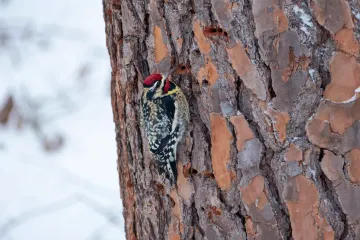
Yellow-bellied Sapsuckers are not overly selective; they have been documented feeding on the sap of over fifty different tree species. [1][3][10] However, ornithologists note preferences based on the sweetness and reliability of the sap flow. [7] Common targets include maples, birches, cherries, elms, pines, and spruces. [1][3][7]
The choice of tree can shift depending on the geography and the time of year. For instance, in areas where sugar maple is prevalent, it becomes a preferred choice due to its famously sweet sap. [7] Conversely, in the boreal forests, they might favor spruce or other conifers. [4] When inspecting feeding sites, one might notice that the bird prefers to drill on trunks or large branches rather than small twigs, likely seeking wood with greater vascular activity and better sap volume. [1] A distinct indicator of a long-established feeding territory is the presence of older wells on a tree, sometimes crisscrossing or overlapping with newer patterns, suggesting the bird has found a particularly good source it returns to year after year. [7]
# Ecosystem Service
What makes the sapsucker's diet so significant extends far past its own caloric intake; it functions as an inadvertent benefactor to the broader forest community. [6][9] The wells they create, often yielding drips long after the bird has moved on, become vital, temporary feeding stations for many other creatures. [6][9]
This behavior establishes the sapsucker as a critical micro-ecosystem engineer. [6][9] Smaller birds, such as hummingbirds and warblers, will frequently visit these sap pools to sip the sugary liquid or snatch the small insects clinging to the damp wood. [6][9] Bees, ants, and other invertebrates also gather at these spots, turning an otherwise plain section of tree bark into a miniature, dynamic refueling station, especially during the lean times of early spring when other nectar sources are scarce. [6][9] While the sapsucker's drilling can sometimes cause localized stress to a tree, the life it supports through its feeding habits offers a tangible ecological benefit to local biodiversity. [6][9]
# Yearly Changes
The Yellow-bellied Sapsucker's diet experiences clear seasonal transitions mirroring the availability of its food sources. [4] During migration and the breeding season, the demand for protein increases to support egg production and demanding foraging schedules, leading to a higher proportion of insects being consumed. [4] In the fall, after nesting concludes, the focus returns heavily to sap production as temperatures drop and insects become less active. [4]
Sapsuckers are known to travel along gradients of tree health and sweetness. If a particular tree's sap production wanes or an insect population crashes, the bird is adaptable enough to relocate its drilling activity to a different species or even a different part of the forest altogether. [4] This flexibility prevents over-exploitation of any single resource and ensures a consistent energy supply throughout the non-winter months. [4]
# Backyard Management
For those who enjoy watching these unique birds visit suburban or woodland yards, understanding their dietary preferences offers insight into when and where they might appear. [2] The most intense sap-feeding activity typically occurs between late winter and mid-spring. [7] If you notice a sapsucker meticulously drilling perfect rows on a favorite ornamental tree, understanding why can help in managing the interaction. [2]
One area where management intersects with diet is the presence of artificial sugars. [2] If a homeowner sets out sweet liquids like sugar water or jelly for other birds during the late winter or early spring months, this artificial attractant can sometimes draw sapsuckers to the area. [2] Once they find a good sugar source, they are highly motivated to investigate other potential sources nearby, potentially leading them to tap valuable landscape trees. [2] While they rarely kill a healthy, mature tree outright with their drilling, heavy sustained drilling can cause stress. [4] An observer might note the difference between the neatly spaced wells used for sap and the more haphazard, deeper excavations sometimes made in search of ants or beetle larvae, which provides a quick visual clue about the bird’s immediate nutritional goal. [4] They tend to be creatures of habit; if they select a tree early in the season, they will often return to that same tree or grove repeatedly, sometimes sticking with that specific resource for the duration of their stay in the area. [7]
Related Questions
#Citations
Yellow-bellied Sapsucker | Audubon Field Guide
The Yellow-bellied Sapsucker and Wet Weather Bird feeding Help
The Return of the Yellow-Bellied Sapsucker - North Carolina Wildlife ...
Yellow-bellied Sapsucker Life History - All About Birds
Yellow-bellied sapsucker diet and behavior - Facebook
Sapsucker feeding habits benefit overall forest ecology
Yellow-bellied Sapsuckers and their Feeding Holes
Yellow-bellied Sapsucker | Oklahoma Department of Wildlife ...
Yellow-Bellied Sapsuckers Provide Food for Many Species
Yellow-bellied Sapsuckers, Vol. 10, No. 05 | Mississippi State ...