Yellow Belly Ball Python Facts
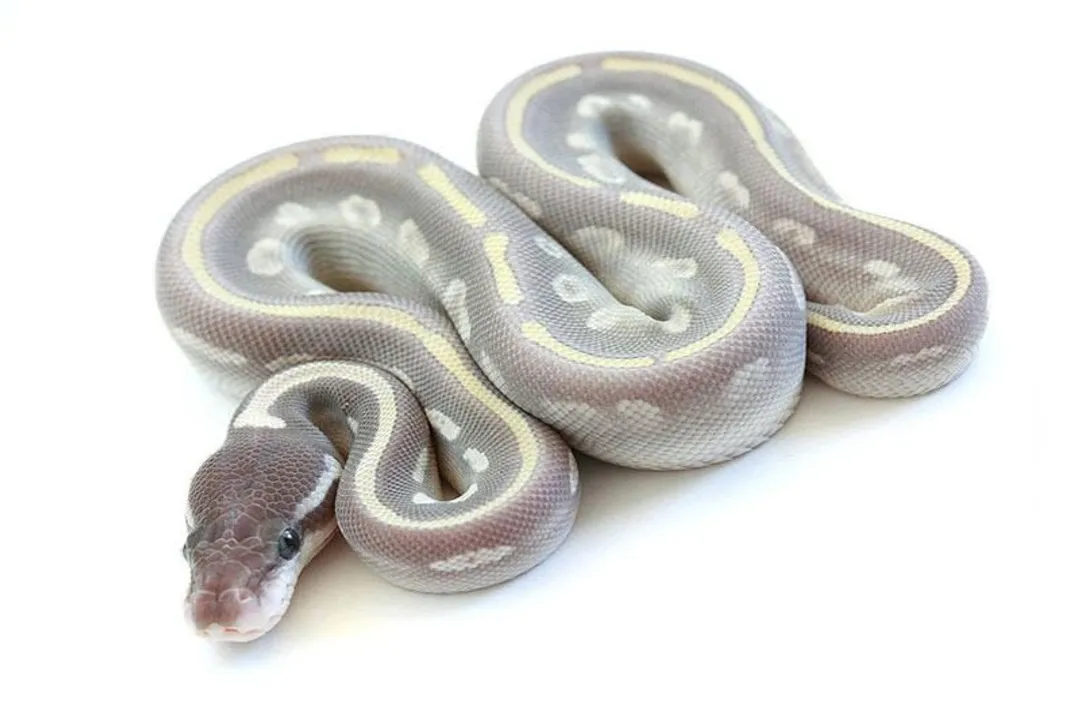
The Yellow Belly Ball Python presents one of the most striking deviations from the wild-type coloration seen in Python regius, immediately drawing the eye with its increased brightness and dramatic pattern reduction. [1][4] While maintaining the characteristic docile nature of the species, this morph showcases how a single genetic trait can profoundly alter the animal’s visual presentation, shifting the typical camouflage of the West African grasslands toward something much more vibrant in captivity. [8]
# Color Markings
The hallmark feature of the Yellow Belly is the intense lightening and alteration of the side markings. [4] In a normal Ball Python, the patterning consists of dark brown or black blotches against a lighter brown or tan ground color. [8] The Yellow Belly morph interrupts this standard layout by exhibiting significantly reduced dark pigment, particularly on the flanks. [1] This reduction creates large, often irregular patches of bright yellow or orange—the source of the morph's name—where the dark pattern would normally dominate. [4][6]
The intensity of this flank coloration is a key differentiator among breeders and individuals. Some specimens show a bright, almost flame-like effect climbing up the sides, sometimes referred to as "flaring," where the dark pattern seems to dissolve into the lighter ground color. [4][3] Conversely, in some pairings, the side pattern might only be slightly diminished, resulting in a cleaner, brighter overall snake rather than a dramatic color shift. [1] An interesting nuance emerges when examining professional collections: when comparing two snakes identified as standard Yellow Bellies, keepers often develop a preference for those where the dorsal pattern is more broken up or "alien-headed," even if the side color saturation is similar, as this clean look is often considered the pinnacle expression of the gene. [7] This preference drives selective breeding toward specimens that maximize the contrast between the bright flanks and the remaining dark dorsal markings. [1]
The belly coloration also undergoes a transformation. While wild types typically have a dirty white or grayish-white underside, the Yellow Belly often features a much cleaner, brighter white or pale yellow bottom. [1][3] The dorsal pattern itself tends to exhibit cleaner lines and less "smudging" where the dark segments meet the light ground color. [4]
# Co-Dominant Gene
Genetically, the Yellow Belly trait is inherited in a co-dominant fashion, which is also sometimes described as incomplete dominance. [1][3] This means that a snake only needs to inherit one copy of the Yellow Belly gene from either parent to display the trait. [1]
When a Yellow Belly (which is genetically heterozygous, carrying one copy of the gene, ) is bred to a normal wild type, you can expect an average outcome of 50% Yellow Bellies and 50% normal offspring in a clutch. [1] However, the co-dominant nature introduces complexity when breeding two Yellow Bellies together. Since each parent contributes one copy of the gene, breeding two snakes together results in three possible genetic outcomes for the offspring, following Mendelian principles:
The homozygous form, often called a Super Yellow Belly, carries two copies of the gene. In the case of the Yellow Belly gene, while sources confirm it is co-dominant, there is ongoing discussion and observation regarding the viability of the homozygous pairing. [3] For many co-dominant morphs, the homozygous state results in an animal with extremely reduced pattern and hyper-intense color, but for some genes, producing two copies can lead to developmental issues or lethality. [3] When managing a breeding project involving this gene, it is prudent for the keeper to track the pairing outcomes meticulously, especially when breeding two visually identified Yellow Bellies together, to confirm whether the snakes are surviving and thriving, as they may require slightly different husbandry or management if they show reduced vigor compared to their heterozygous siblings. [1][3]
# Morph Spectrum
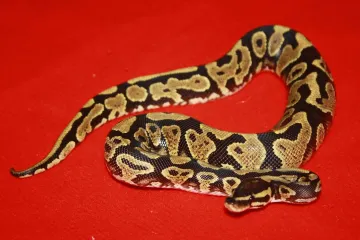
The Yellow Belly gene is highly valued not just for its stand-alone appearance but for how it interacts with other recessive and co-dominant mutations. [1][4] When combined with other genes, the Yellow Belly is known for its ability to "brighten up" the resulting combination. [1] It acts as an enhancer, lightening the ground color and often cleaning up the pattern lines of the co-expressed morph. [4]
For instance, a Yellow Belly combined with a Pastel or a Mojave (both part of the Co-dominant Complex) will often display cleaner, more defined patterns and much higher saturation of the base colors than the single genes alone. [1] It is often grouped conceptually with other "fire/pastel complex" genes due to its brightening effect, although its specific locus is distinct. [4] Understanding this additive effect is key for advanced reptile husbandry; pairing a Yellow Belly with a recessive gene like Albino or Clown might not change the type of pattern reduction, but it will certainly amplify the brightness of the resulting snake, making the dark colors appear deeper or the light colors appear more vibrant. [6]
# Husbandry Notes
The general care requirements for a Yellow Belly Ball Python are identical to those for the wild-type Python regius, as the gene affects coloration rather than temperament or essential biological needs. [8] They are terrestrial snakes originating from West and Central Africa, often found in grasslands, savannas, and wooded areas. [8] They are generally known for being shy and preferring to hide, which is consistent across morphs. [8]
In terms of enclosure setup, successful keepers maintain specific environmental parameters. Temperatures on the warm side should typically be around 90-95°F (32-35°C), dropping to 75-80°F (24-27°C) on the cool side. [4] Humidity levels are crucial and should be maintained between 50% and 60%, with brief increases during shedding cycles. [4] A snake with such high visible color contrast, like the Yellow Belly, might react to overly stark environments differently than a wild type; while anecdotal, providing ample, dark hides is still paramount to ensure this visually striking snake feels secure enough to eat consistently. [6] Because they are naturally cryptically colored in the wild, a snake displaying such bright colors in a captive environment may benefit from slightly darker substrate choices or more visual barriers within the enclosure to encourage natural behaviors without inhibiting the display of their beautiful markings under controlled light. [7]
# Natural History
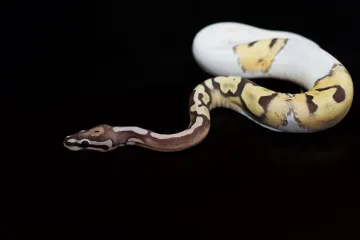
Though the Yellow Belly morph is a product of selective captive breeding, understanding the natural life of the species provides context for managing these pets. [8] Ball Pythons are relatively small pythons, with females generally growing larger than males, typically reaching lengths between 3 to 5 feet. [8] They are primarily nocturnal hunters, using their keen senses to locate small prey like rodents in their native habitats. [8] Their initial adaptation to the environment is camouflage, which is precisely what the Yellow Belly morph selectively works against. [4] They are non-venomous and generally known for their tendency to curl into a tight ball when stressed, tucking their head safely in the center—a defense mechanism giving them their common name. [8] This fundamental behavioral trait remains consistent regardless of how brightly colored the animal may be. [8]
#Videos
The Yellow Belly Ball Python: How to ID it and use it in ... - YouTube
How to Identify Yellowbelly in Ball Pythons! - YouTube
Related Questions
#Citations
Yellow Belly - Ball Python Traits - Morphpedia
The Yellow Belly Ball Python: How to ID it and use it in ... - YouTube
yellow belly ball python morph - CB Reptile
Yellow Belly Ball Python Description and Photos - Northwest Reptiles
Yellow Belly Ball Pythons Living Art Reptiles
What morph is this ball python? - Facebook
Python regius - Animal Diversity Web