How long do *Ixodes* species, including *I. pacificus*, often require to progress from larva to adult stage?
Answer
Two to three years
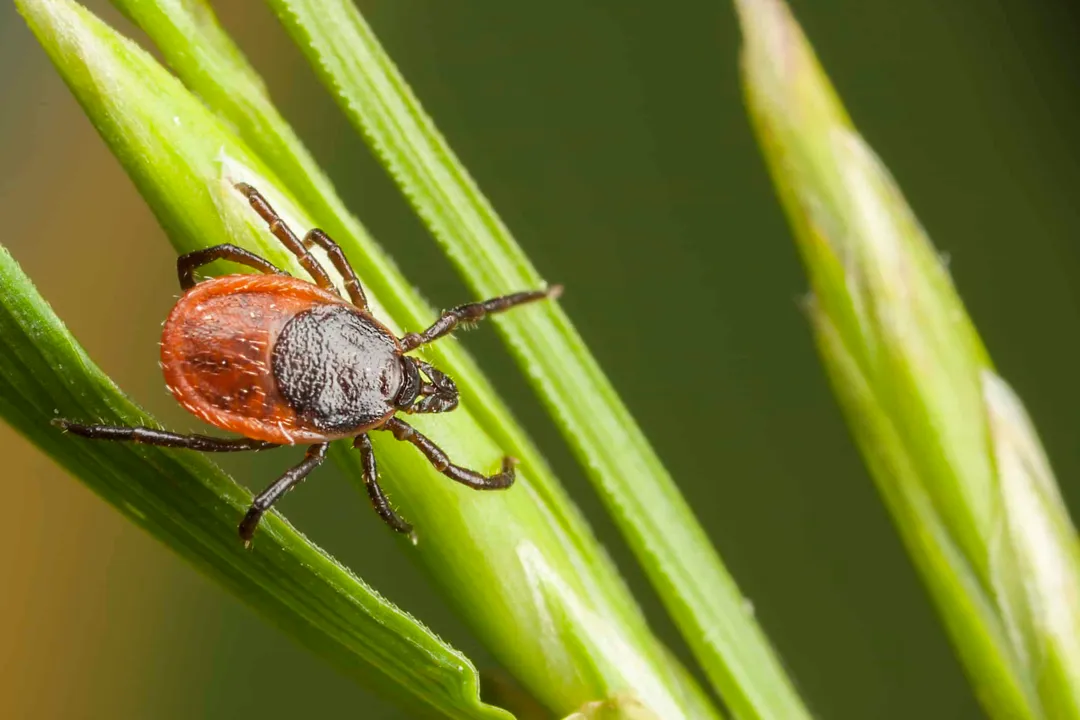
A significant practical consideration for infestation management relates to the protracted development timeline characteristic of the *Ixodes* genus. Unlike certain other tick species that might conclude their entire developmental cycle within a single year, species like *I. pacificus* typically necessitate a span of two to three years to mature fully from the initial larval stage through the nymphal stage to the adult form. This extended chronology necessitates that control strategies employed by homeowners or land managers must be sustained and repeated across multiple seasons to effectively eliminate lingering overwintering larvae or nymphs that were missed in initial treatments.
Related Questions
Which Phylum classification groups *Ixodes pacificus* with insects and crustaceans?What key leg count distinguishes the Class Arachnida of *I. pacificus* from insects?What distinct morphological feature defines *I. pacificus* belonging to Family Ixodidae?What biological capability inherent to the *Ixodes* genus alerts professionals to potential neurotoxic effects?What specific epithet in *Ixodes pacificus* clearly indicates its primary geographical confinement?How long do *Ixodes* species, including *I. pacificus*, often require to progress from larva to adult stage?Which specific bacterium transmitted by *I. pacificus* is responsible for causing Lyme disease?What feature dictates that *I. pacificus* surveillance data must often be tracked separately from *I. scapularis* records?Which specific small mammal is identified as a critical reservoir host for Lyme disease bacteria in California for *I. pacificus*?What host type do the larval stages of *I. pacificus* commonly target for feeding during their development?What characteristic separates ticks in Order Ixodida from other mites in Subclass Acari?