Western Rat Snake Scientific Classification
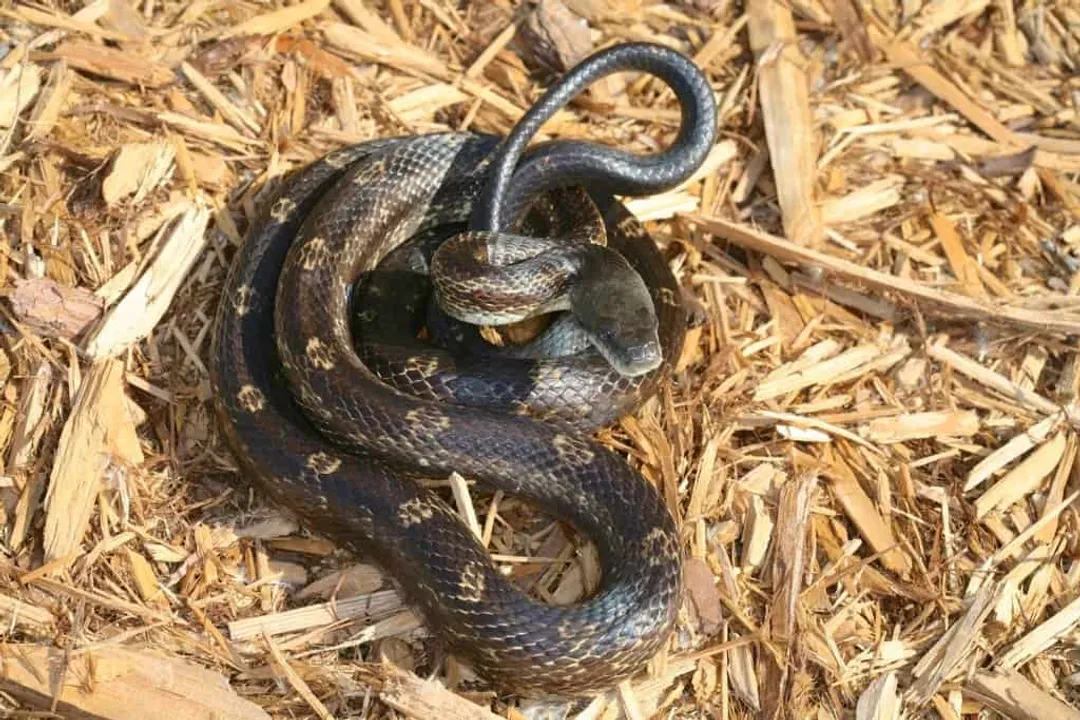
The Western Rat Snake, a familiar sight across much of North America, carries a scientific designation that tells a complex story of taxonomic revision and evolutionary understanding. Understanding its formal classification, moving from the broadest biological categories down to its specific binomial name, offers far more than just a label; it places this fascinating reptile within the grand scheme of life on Earth. This systematic approach helps researchers compare its traits, behaviors, and evolutionary history with its relatives globally.
# Life Kingdom
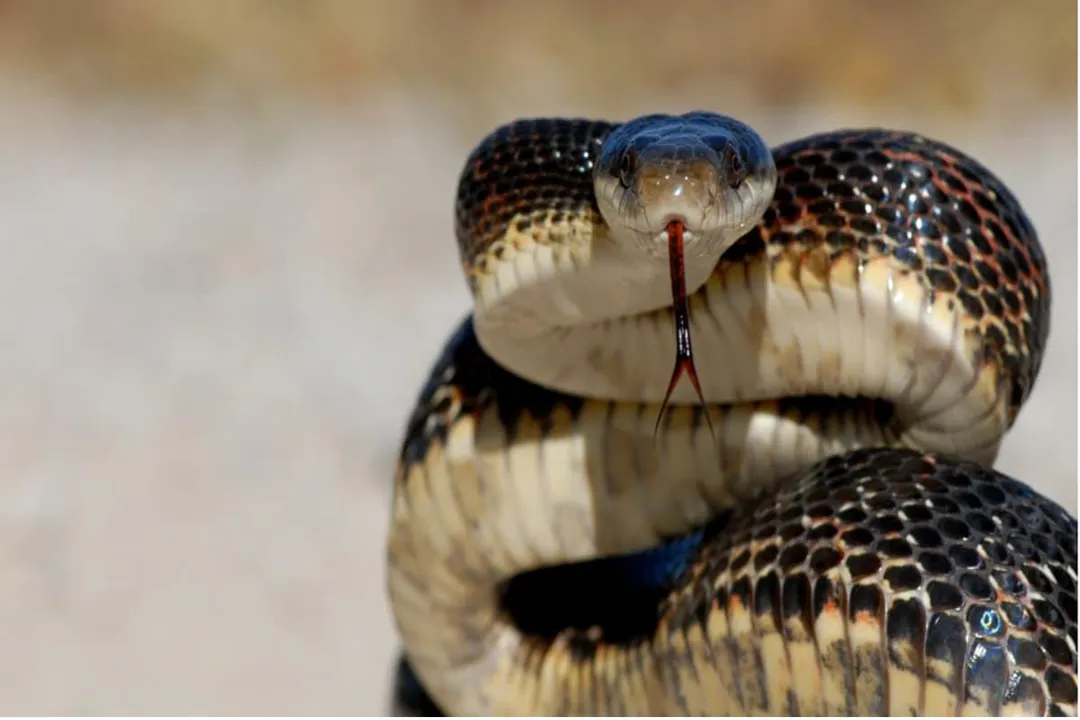
To begin placing Pantherophis obsoletus on the biological tree, we start at the highest levels. Like all snakes, the Western Rat Snake belongs to the Kingdom Animalia, confirming it is a multicellular, heterotrophic organism. Moving down, it is situated within the Phylum Chordata, distinguished by having a notochord at some stage of its development. This places it alongside fish, amphibians, birds, and mammals.
The next critical step defines its general group. The Western Rat Snake falls into the Class Reptilia. Reptiles are characterized by possessing scales, being ectothermic (cold-blooded), and typically laying amniotic eggs, though many snakes give live birth through internal development.
# Order Squamata
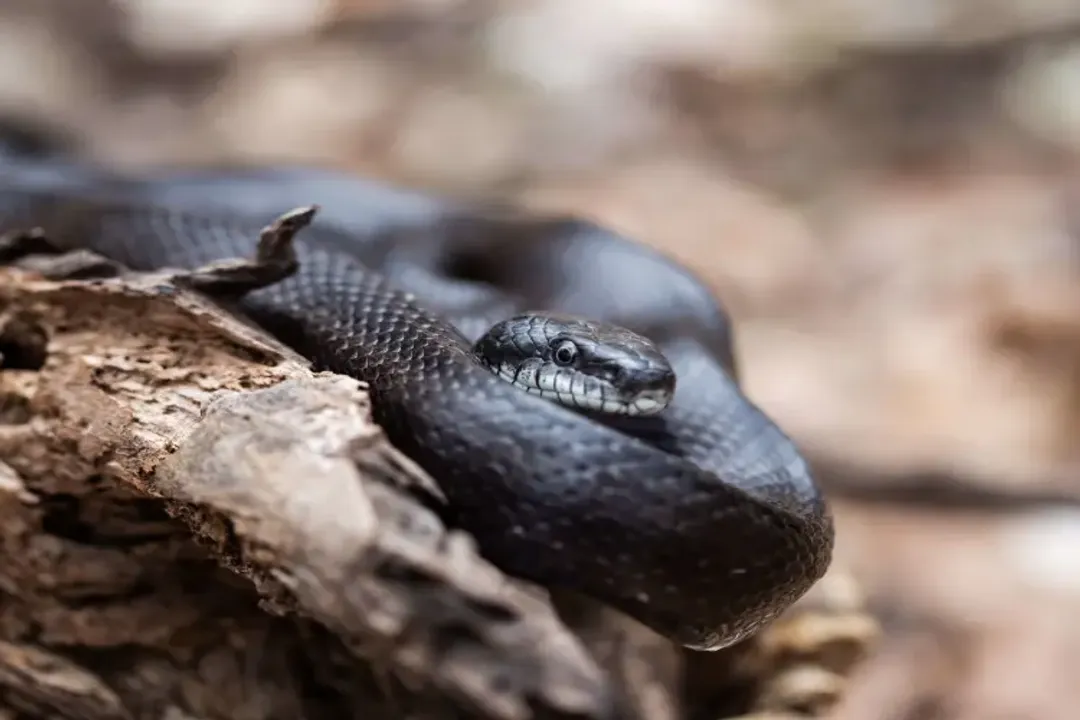
Within the reptiles, the snake belongs to the Order Squamata. This is the largest order of reptiles, encompassing all lizards, snakes, and amphisbaenians (worm lizards). The defining characteristic of Squamates is their overlapping, keratinous scales or scutes, which protect the body. It is within this massive, diverse group that the specific characteristics defining snakes—the loss of limbs, elongated bodies, and highly mobile jaws—emerge.
# Family Grouping
The family level provides a much closer look at its nearest relatives. The Western Rat Snake is a member of the Family Colubridae. Colubrids constitute the largest snake family worldwide, often referred to as the "typical" or "harmless" snakes, though this term is imprecise as some species possess mild venom that is not typically dangerous to humans. Snakes within Colubridae generally share common skeletal features, particularly concerning the structure of their heads and jaw mechanics. This family includes many familiar non-venomous snakes like kingsnakes and garter snakes.
# Genus Placement
The genus, Pantherophis, is where the classification starts to become highly specific to the rat snakes of North America. Before significant genetic analysis refined relationships, many of these species were grouped under the genus Elaphe, which traditionally housed Old World rat snakes. The move of P. obsoletus and its close relatives into Pantherophis reflects modern phylogenetic data showing that the New World rat snakes form a distinct evolutionary lineage separate from their Eurasian counterparts, despite superficial similarities in appearance and diet. This genus placement is significant because it groups together snakes known for their climbing ability and their primary diet of rodents, making them ecologically similar within the North American landscape.
When considering the sheer diversity within the former Elaphe obsoleta complex, the establishment of Pantherophis highlights a crucial aspect of modern taxonomy: recognizing deep evolutionary divergence even among morphologically similar species. For instance, the Texas Rat Snake (Pantherophis guttatus) and the Black Rat Snake (Pantherophis obsoletus) were once all lumped together, but modern genetic work revealed they warranted separate specific classifications within this newly defined genus.
# Species Epithet
The official scientific name recognized by many authorities today is Pantherophis obsoletus. The specific epithet, obsoletus, is derived from Latin, meaning "worn out" or "obsolete". The exact reason for this historical naming choice isn't always transparent in taxonomy, but it sometimes refers to a distinguishing feature or pattern that fades with age or maturity, or perhaps how the original specimen appeared to the describing naturalist.
It is worth noting that the common name "Western Rat Snake" is slightly problematic if one considers the full historical range of what P. obsoletus once encompassed. Historically, the species concept for P. obsoletus was much broader, sometimes including what are now recognized as separate species like the Eastern Rat Snake (P. alleghaniensis) and the Gray Rat Snake (P. spiloides). The designation P. obsoletus is now often specifically applied to populations found in the western parts of the former collective species range, such as those found in states like Kansas. This localized common name versus the broad historical species name illustrates the ongoing refinement in herpetology.
# Synonymy and Historical Names
The classification history of the Western Rat Snake is characterized by frequent name changes as scientific understanding evolved. For the general reader, understanding these synonyms helps track older literature or regional guides that may still use outdated nomenclature. The Reptile Database lists several synonyms for Pantherophis obsoletus, which reveal its taxonomic path:
| Name | Authority/Context | Significance |
|---|---|---|
| Coluber obsoletus | Original description designation | Placed in the genus for whip snakes initially. |
| Elaphe obsoleta | Older, widely used classification | The grouping that persisted before the split into Pantherophis. |
| Scotophis obsoletus | A less common historical assignment | Reflects various attempts to place the species based on evolving morphological keys. |
The transition from Elaphe to Pantherophis is a textbook example of how DNA evidence reshapes taxonomic understanding, moving species based on evolutionary relationships rather than solely on external physical similarities. While a snake enthusiast in Louisiana might focus on the identification details for their local population, a researcher comparing evolutionary rates across rat snakes needs to know that the current accepted classification is Pantherophis obsoletus. If you encounter older literature referring to this snake as Elaphe obsoleta, you are reading about the same animal, just under a classification that better reflected available data at that time.

# Classification and Local Variation
While the scientific classification provides a stable framework, it often masks the fascinating variation found across the geographic range. For a species whose classification has undergone such significant revision, regional differences are often pronounced. For instance, while Minnesota's population might be rare or absent, the snake is well-established in the central and southern US. Even within the P. obsoletus designation applied to the Western Rat Snake, one might observe subtle differences in scaling patterns or coloration when comparing a population from Texas to one in Oklahoma, leading early naturalists to describe various subspecies. The current accepted high-level classification simply states Pantherophis obsoletus, but herpetologists often still work with subspecies designations—though these may vary based on which taxonomic authority one follows—to account for these localized genetic drifts. A good practice when documenting or studying these snakes is to note both the current binomial and the general geographic region, as that context often unlocks deeper knowledge about local adaptations that formal taxonomy sometimes generalizes over.
# Conservation Context
The scientific classification framework is not purely academic; it has practical implications, particularly concerning conservation status. NatureServe assigns a global conservation status rank to taxa based on this established classification. For Pantherophis obsoletus, NatureServe has designated a Global Rank of G5. This "G5" status signifies that the species is considered Secure globally, meaning it is common, widespread, and not at immediate risk of extinction. This ranking is assigned to the species after its identity has been solidified within the Pantherophis genus, illustrating that the stability of the scientific name directly supports large-scale ecological assessments. Knowing the precise classification allows organizations like state wildlife departments to accurately track populations, manage road mortality concerns, and ensure that local management efforts align with the species' overall secure status.
Related Questions
#Citations
Pantherophis obsoletus | NatureServe Explorer
Western Ratsnake | Louisiana Department of Wildlife and Fisheries
Pantherophis obsoletus - Kansas Herpetofaunal Atlas
Western Rat Snake - Pantherophis obsoletus - A-Z Animals
Pantherophis obsoletus - The Reptile Database
Pantherophis obsoletus, the Western Rat Snake - floridensis
Pantherophis obsoletus (Eastern Rat Snake) - Animal Diversity Web
Western Rat Snake | Zoopedia Wiki - Fandom
western ratsnake - Minnesota Seasons