When the grassy steppe converted to shadier, wetter woodlands and tundra, what was the direct ecological impact on C. antiquitatis?
It directly removed the rhino’s primary food source due to specialization as a grazer.
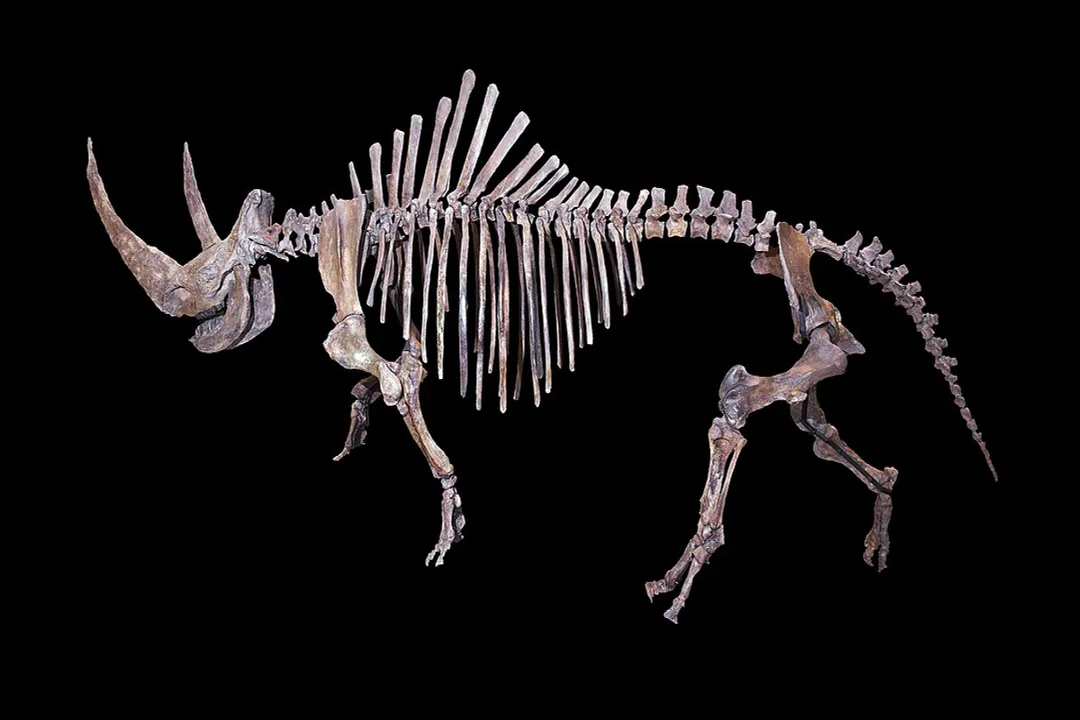
The specialization that allowed the Woolly Rhino to flourish during the Ice Age—being a dedicated grazer of grasses and sedges—became its fatal flaw when the climate shifted. As the Pleistocene concluded and temperatures rose, the ecological structure changed dramatically. The dry, open mammoth steppe gave way to environments characterized by increased shade, higher moisture content, and the encroachment of woodlands and denser tundra vegetation. These emerging plant communities were dominated by woody browse and different species of forbs, rather than the abrasive, low-quality grasses and sedges that the rhino’s specialized dentition was designed to process efficiently. Consequently, this habitat transformation directly and catastrophically eliminated the bulk of the *C. antiquitatis* diet, severely limiting their ability to sustain their large bodies, a limitation not faced by more adaptable herbivores like horses or mammoths.
#Videos
The Insane Evolution of the Woolly Rhino - YouTube