Why is D. andersoni specifically the Rocky Mountain Wood Tick while D. variabilis is sometimes called the Wood Tick in the East?
Answer
The common name follows the historically or geographically most unique species in a region
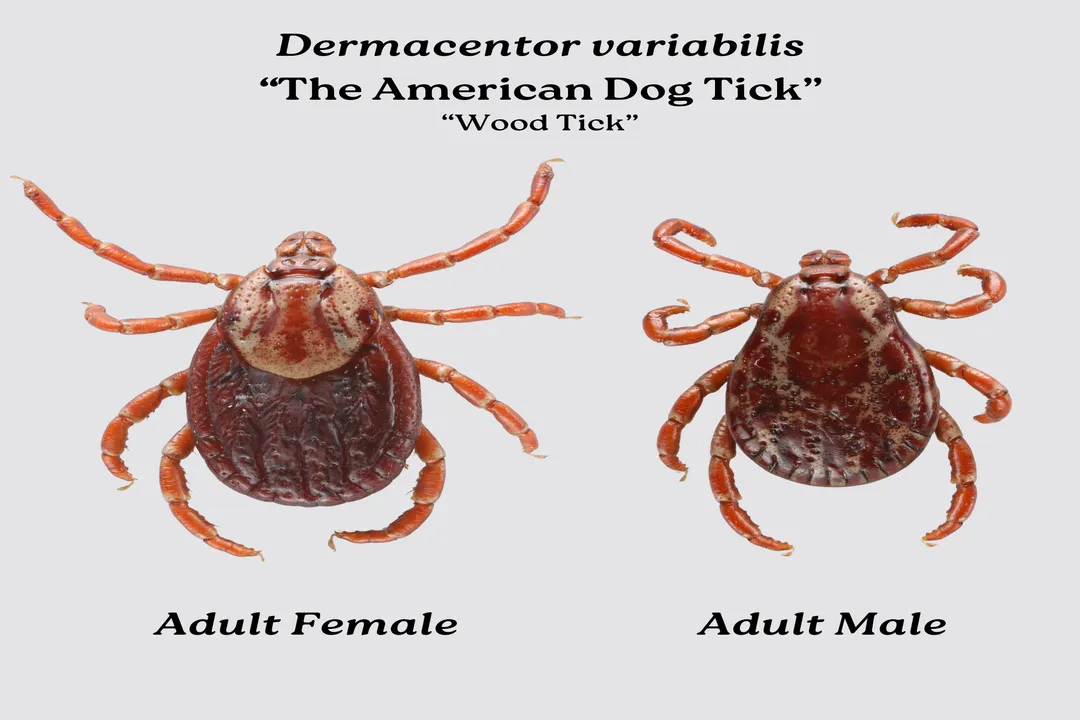
The assignment of common names, even when related species share a descriptor like 'Wood Tick,' often reflects historical context or geographical uniqueness rather than strict taxonomic identity. *Dermacentor andersoni* is the specific species intrinsically linked to the Rocky Mountains region. Because *D. variabilis* is widespread east of the Rockies, it may adopt the general moniker 'Wood Tick' locally, but *D. andersoni* retains the specific geographic modifier because it is the iconic or historically recognized species associated with that specific, distinct geographical area.
Related Questions
What structural feature defines ticks placed in the Order Ixodida?What defines membership in the Subphylum Chelicerata for ticks?Where is Dermacentor andersoni predominantly found relative to the Missouri River?Which pathogen risk is associated with D. andersoni west of the Missouri River?Which Class groups ticks alongside spiders and scorpions?How does female Ixodidae distinction relate to their scutum structure when engorged?What microscopic feature differs between D. andersoni and D. variabilis spiracular plates?What does the term Acarina represent in the context of tick classification?Which bacterium, known to cause reproductive alteration via cytoplasmic incompatibility, is hosted by D. andersoni?Why is D. andersoni specifically the Rocky Mountain Wood Tick while D. variabilis is sometimes called the Wood Tick in the East?