What classification do ticks fall under?
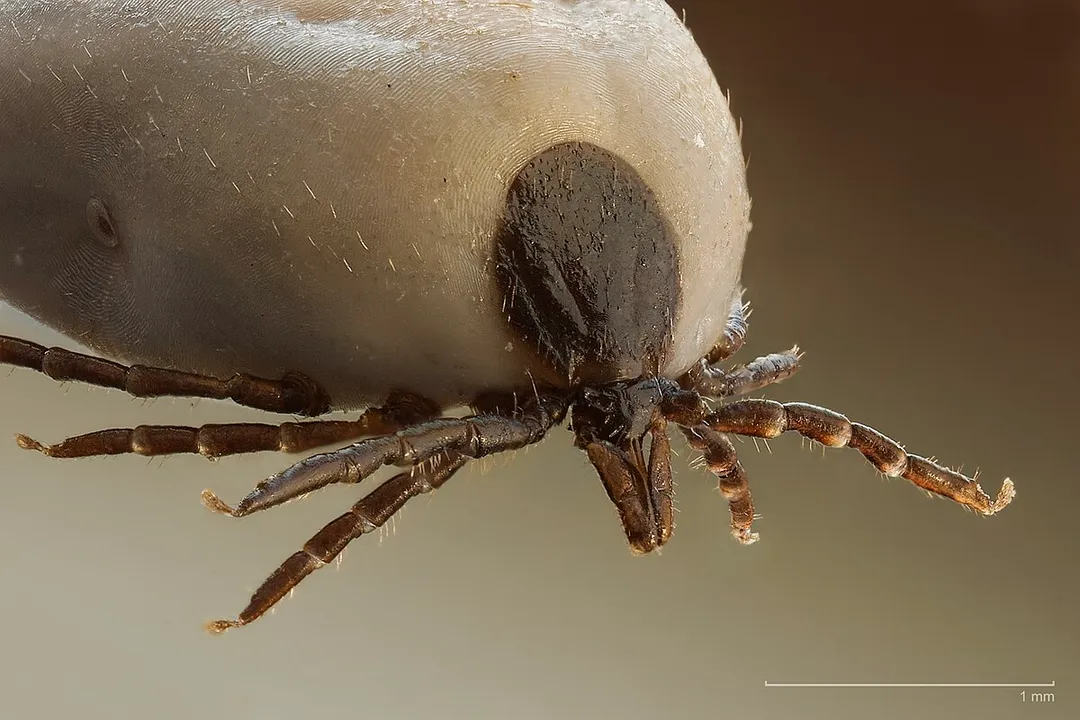
The most common initial reaction when discussing ticks is often to group them with insects, perhaps because of their small size and parasitic nature, but this is scientifically inaccurate. Ticks are not insects; they belong to a different class entirely, placing them closer to spiders and mites than to mosquitoes or beetles. To understand what a tick is, we must trace its place through the Linnaean system of classification, starting from the broadest categories and narrowing down to their specific order.
# Kingdom Animalia
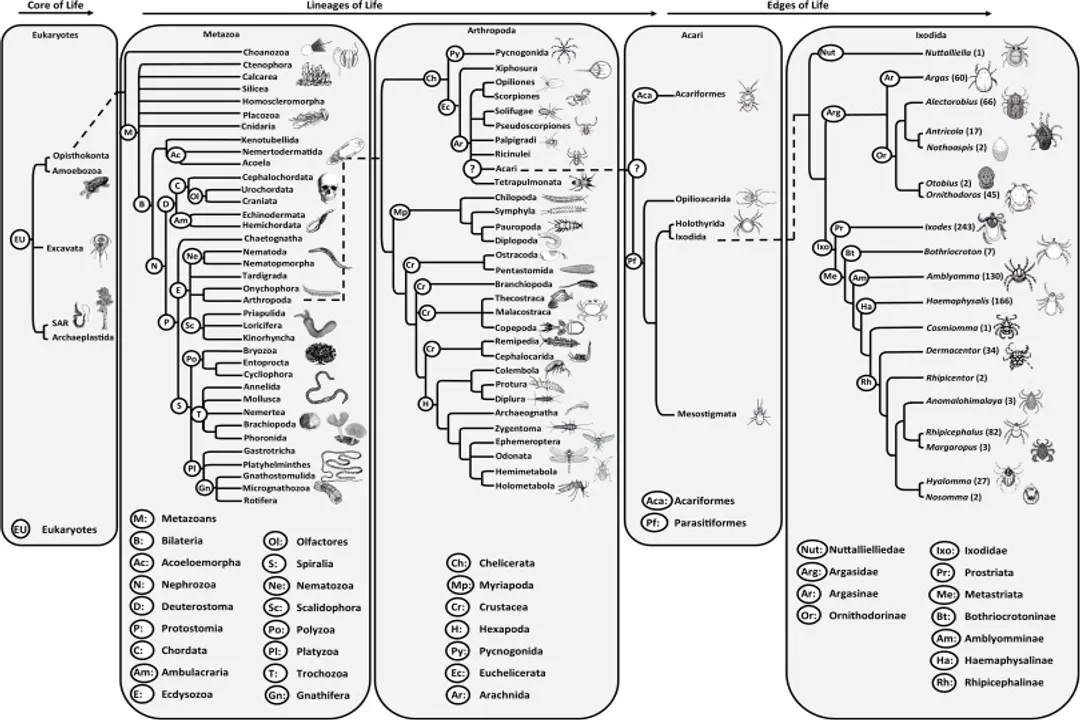
Like almost all creatures we encounter, ticks belong to the Kingdom Animalia. This broad classification simply means they are multicellular, eukaryotic organisms that are heterotrophic, meaning they obtain food by consuming other organisms, and they generally lack cell walls. This level is too high to offer much specific information about what makes a tick distinct, but it sets the stage for their invertebrate status.
# Phylum Arthropoda
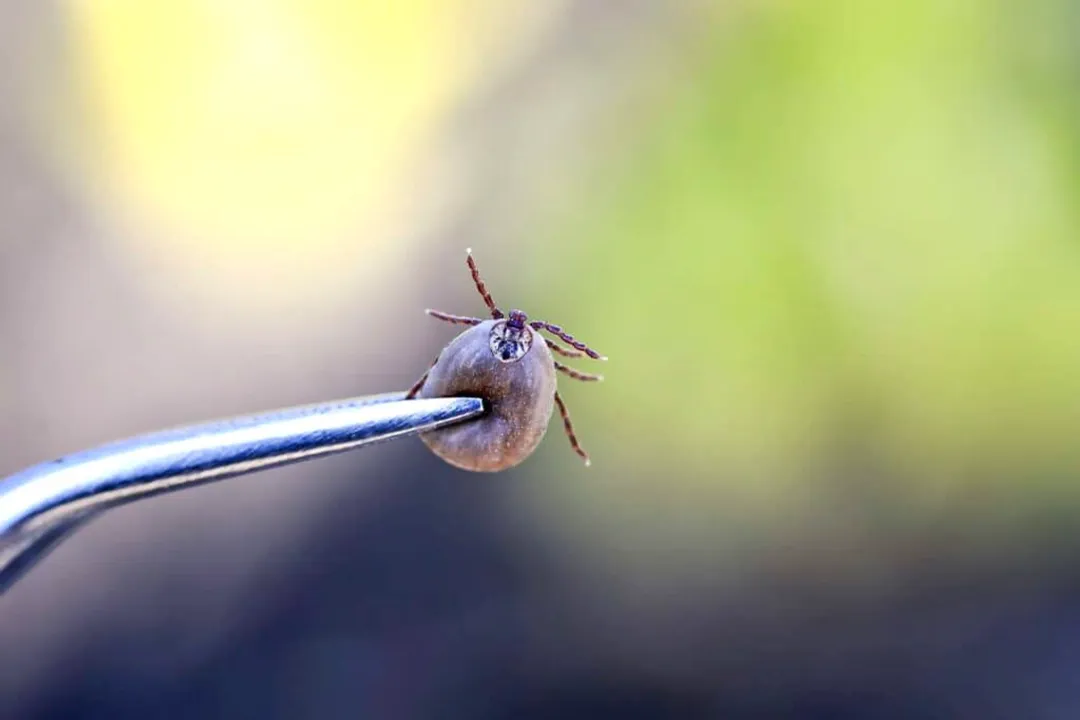
The next step down places ticks into the Phylum Arthropoda. This is a massive group that includes insects, spiders, crustaceans, and myriapods, characterized by their segmented bodies, a tough exoskeleton, and jointed appendages. This phylum is defined by this external skeleton, which they must periodically shed, or molt, in order to grow. The arthropod group includes the key distinction that separates ticks from worms or snails: the presence of specialized legs and a hardened outer covering.
# Class Arachnida
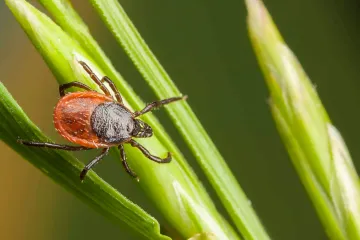
This is where ticks diverge significantly from insects. Ticks fall squarely into the Class Arachnida. This class is famous for including spiders, scorpions, mites, and harvestmen. The most critical feature separating arachnids from insects is the number of legs: adult ticks possess eight legs, whereas insects always have six. Furthermore, arachnids, including ticks, lack antennae, which are defining structures for insects. The body of an arachnid is also structurally different, typically divided into two main body parts (tagmata): the cephalothorax (fused head and thorax) and the abdomen, though in ticks, these two regions are fused into a single, oval body structure.
Within Arachnida, ticks belong to the subclass Acari, which encompasses all mites and ticks. This subclass is vast and incredibly diverse, often making it difficult to separate mites from ticks at a glance, though ticks are generally larger and are specifically known as hard or soft ticks. This grouping emphasizes their close evolutionary relationship with mites, though ticks are specialized blood-feeding ectoparasites.
If we look closer at the hierarchy, the classification is as follows:
- Kingdom: Animalia
- Phylum: Arthropoda
- Subphylum: Chelicerata (characterized by chelicerae, specialized mouthparts)
- Class: Arachnida
- Subclass: Acari
- Order: Ixodida
The Order Ixodida is the final placement that defines them specifically as ticks, distinguishing them from other Acari like dust mites or chiggers. Ticks are obligate parasites, meaning they must feed on a host's blood to complete their life cycle, a specialization within this order.
# Distinctive Morphology
Understanding the classification requires appreciating the physical traits that solidify their placement as arachnids of the Order Ixodida. Unlike spiders, which often have a distinct waist separating the two body sections, ticks present a more unified appearance. The entire body is covered by a tough, leathery cuticle. This external covering is crucial for retaining moisture, which is essential for survival in many environments.
The mouthparts, known as the capitulum or hypostome, are highly specialized feeding structures, not typical appendages. These parts are used to anchor the tick to the host and facilitate blood ingestion. A key morphological difference used in field identification relates to the dorsal shield.
# Hard vs. Soft Ticks
The Order Ixodida is split into two primary families, representing a major division in tick classification that has practical implications for identification and disease transmission:
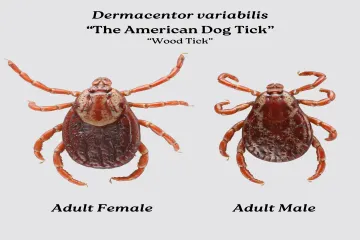
Ixodidae (Hard Ticks): These ticks possess a hard outer shell, or scutum, covering their back. This shield is present in both males and females, though it covers more of the body in males. The presence of this scutum restricts the tick's ability to engorge to enormous sizes compared to their soft-bodied relatives, although they still swell considerably when fully fed. The hard tick family includes many species notorious for disease transmission, such as the Deer Tick (Ixodes scapularis) and the Dog Tick (Dermacentor variabilis).
Argasidae (Soft Ticks): As their name implies, soft ticks lack the prominent scutum found in Ixodidae. Their dorsal surface is flexible and wrinkled. A primary visual distinction is that the mouthparts in soft ticks are located on the underside and are often not visible when viewed from above, unlike the hard ticks where the capitulum is usually visible. Soft ticks often feed quickly, sometimes for only minutes, and typically feed multiple times throughout their long lifespans, often associating with burrows or bird nests rather than actively questing on tall grasses.
This family-level separation highlights an evolutionary divergence within the tick lineage, resulting in different behaviors, host preferences, and life cycle strategies, even though both groups remain in the Order Ixodida and both require blood meals. Considering the variety across these two families, it's interesting to note how the environmental demands of their respective hosts—from ground-dwelling rodents favored by some soft ticks to migratory birds or deer utilized by hard ticks—have shaped these distinct morphological outcomes within the same order.
# Life Cycle Stages
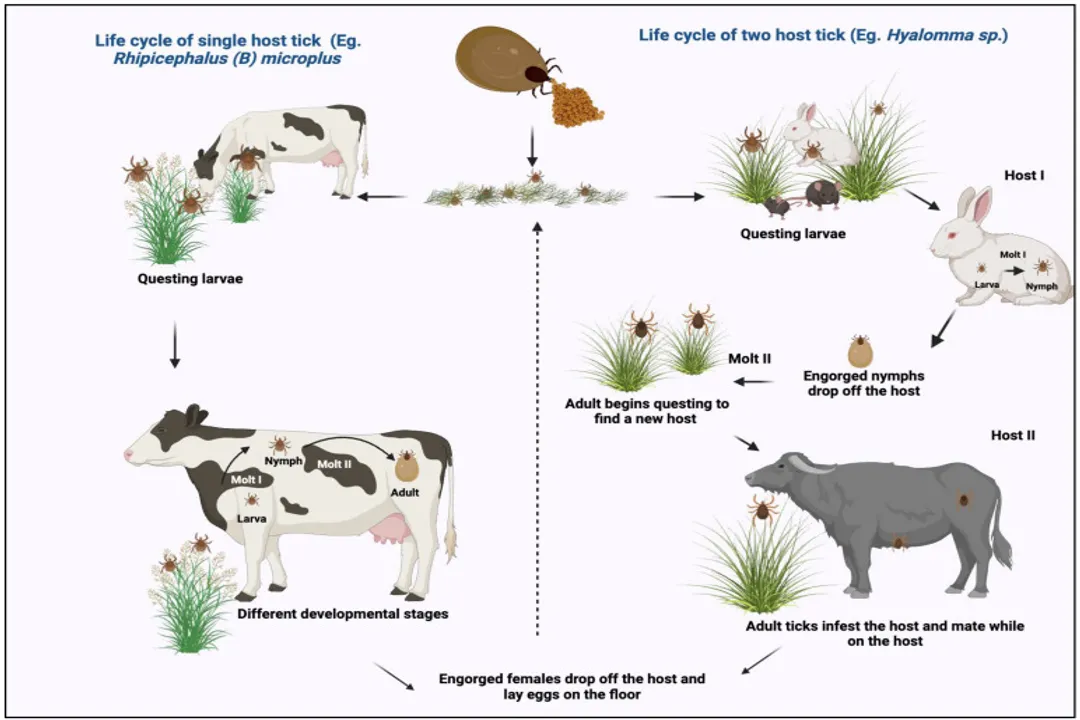
The classification places ticks as requiring development through distinct stages, which is common among many arthropods, but ticks only have three primary mobile stages: larva, nymph, and adult. Each stage, except for the larva (which hatches from the egg), requires a blood meal to progress to the next stage.
The life cycle typically involves four main steps: egg, larva, nymph, and adult.
- Larvae: These are the smallest stage, possessing only six legs, technically making them look like tiny insects for a brief period before their first molt. They hatch from eggs laid by the adult female.
- Nymphs: After the first molt, the ticks develop into the nymph stage, acquiring their characteristic eight legs.
- Adults: The final molt produces the sexually mature adults.
The number of hosts required to complete this cycle varies significantly between the hard and soft ticks, again reflecting adaptive divergence within the Order Ixodida. Many hard ticks, like the blacklegged tick, are three-host ticks, meaning each developmental stage (larva, nymph, adult) requires a separate host to feed on before dropping off to molt or lay eggs. Conversely, some soft ticks are single-host or multi-host ticks that may feed on the same host multiple times throughout their nymphal stages. This difference in host interaction is a practical consequence of their underlying classification and biology. For instance, a three-host tick is far more likely to pick up and transmit pathogens from a small mammal (as a nymph) and then transmit a different pathogen to a human (as an adult) than a tick that stays on one type of host the entire time.
# Parasitism and Host Interaction
Ticks are classified as ectoparasites—organisms that live on the exterior of their host. Their entire existence, post-hatching, is tied to finding a vertebrate host for sustenance. This obligate parasitic relationship is what makes them significant vectors for disease-causing agents, including bacteria, viruses, and protozoa. The saliva they inject during feeding contains anticoagulants and other compounds to facilitate blood intake, and it is through this saliva that pathogens often enter the host bloodstream.
Although they are arachnids, ticks are sometimes compared to mites in how they locate hosts, often employing a behavior called "questing". Questing involves climbing onto vegetation, holding their front legs up, and waiting for a passing host to brush against them, allowing the tick to latch on. This behavior is more characteristic of the hard ticks (Ixodidae) that seek out larger, roaming hosts.
It is worth noting that while they are categorized closely with mites in the Subclass Acari, ticks tend to be far more specialized for hematophagy (blood-feeding) and require much longer feeding periods for their development compared to many mite species, which might feed on tissue debris or plant sap. The evolutionary pressure to successfully parasitize warm-blooded animals has driven the specific traits defining the Order Ixodida.
In summary, the classification of a tick is not ambiguous despite its diminutive size. It is firmly an Arachnid due to its eight legs and lack of antennae, falling specifically into the Order Ixodida within the Subclass Acari. This precise placement separates it biologically from insects, while the further division into hard (Ixodidae) and soft (Argasidae) ticks describes the primary evolutionary and morphological adaptations within that order. Recognizing this placement as an arachnid, rather than an insect, is the first step in understanding its unique biology and the specialized risks it poses.
Related Questions
#Citations
Tick - Wikipedia
DPDx - Ticks - CDC
[PDF] Ticks and Tickborne Diseases - New Mexico Department of Health
Tick - an overview | ScienceDirect Topics
A Closer Look at the Different Types of Ticks | IGeneX Tick Talk
About Ticks | TickSafety.com
Hard Ticks as Vectors: The Emerging Threat of Tick-Borne Diseases ...
Tick - bionity.com
Ticks and Tick-borne Diseases - MU Extension - University of Missouri
Tick Biology and Ecology - Cooperative Extension: Tick Lab