Which pathogen risk is associated with D. andersoni west of the Missouri River?
Answer
Colorado Tick Fever
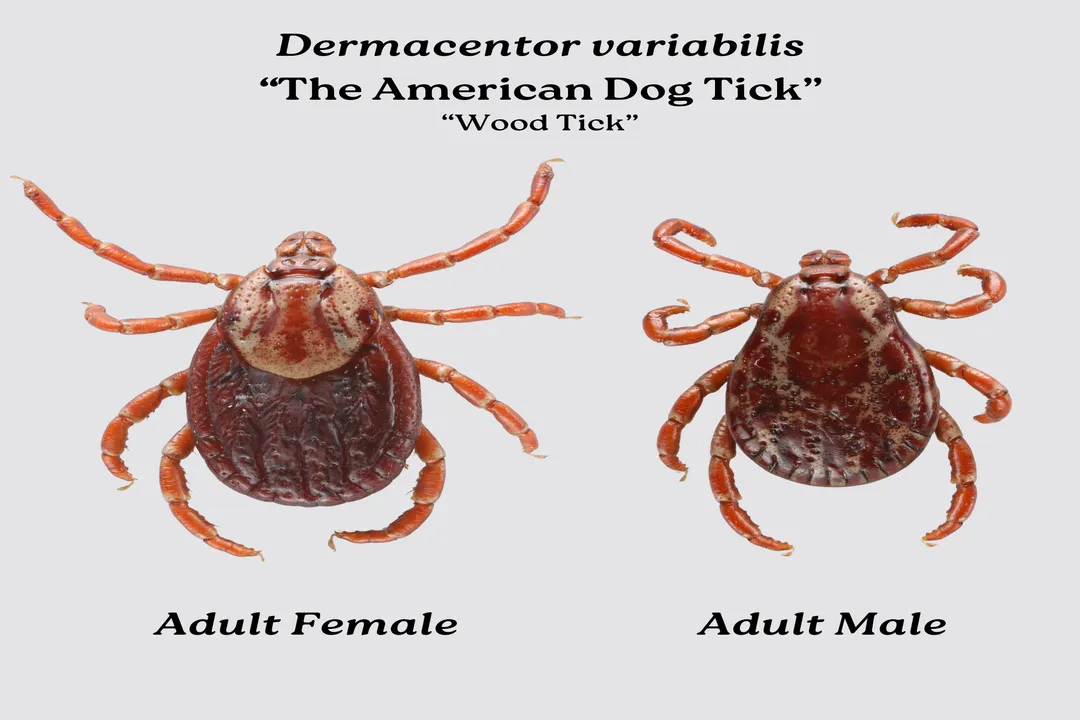
The primary differential diagnosis for tick-borne illness is significantly influenced by the geographical location where the *Dermacentor* tick was encountered, which correlates directly with the species present. When *D. andersoni* is found west of the Missouri River, the risk assessment leans toward the transmission of Colorado Tick Fever. Conversely, *D. variabilis*, prevalent east of that line, is the greater vector concern for Rocky Mountain Spotted Fever (RMSF). Therefore, the geographic split serves as a critical first step in determining the likely pathogen involved before laboratory confirmation.
Related Questions
What structural feature defines ticks placed in the Order Ixodida?What defines membership in the Subphylum Chelicerata for ticks?Where is Dermacentor andersoni predominantly found relative to the Missouri River?Which pathogen risk is associated with D. andersoni west of the Missouri River?Which Class groups ticks alongside spiders and scorpions?How does female Ixodidae distinction relate to their scutum structure when engorged?What microscopic feature differs between D. andersoni and D. variabilis spiracular plates?What does the term Acarina represent in the context of tick classification?Which bacterium, known to cause reproductive alteration via cytoplasmic incompatibility, is hosted by D. andersoni?Why is D. andersoni specifically the Rocky Mountain Wood Tick while D. variabilis is sometimes called the Wood Tick in the East?