Which sensory input is likely relied upon heavily by *Rena humilis* underground to locate hidden chambers?
Answer
Chemoreception
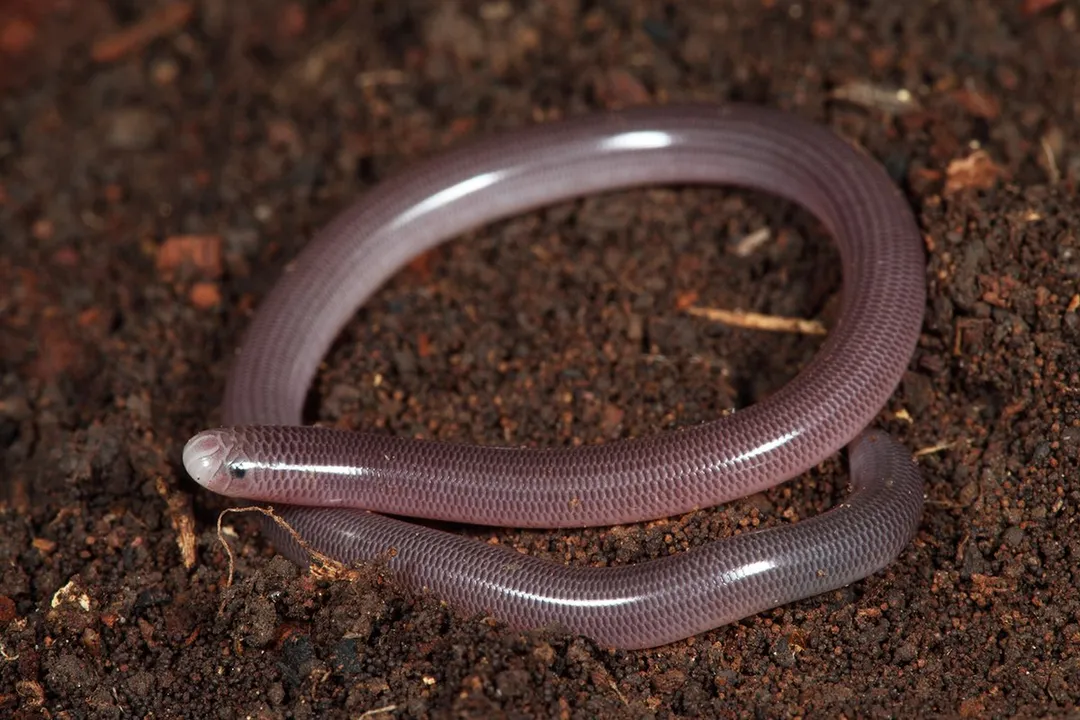
Given that the world of the Western Blind Snake is composed of dark, loose substrate, reliance on sight is minimal in its subterranean existence. Instead, the snake heavily utilizes chemoreception, which involves the sophisticated senses of smell and taste. This allows the snake to detect chemical cues left by the insect colonies, effectively tracking the hidden galleries and brood chambers where the eggs and larvae reside within the soil structure.
Related Questions
What is the scientific name for the Western Blind Snake?What term describes the *Rena humilis* dedication to eating ants?What specific parts of ant and termite colonies does *Rena humilis* target?Why does the Western Blind Snake focus on larvae over adult ants?What characteristic defines the subterranean foraging style of *Rena humilis*?Which sensory input is likely relied upon heavily by *Rena humilis* underground to locate hidden chambers?What physical features help the blind snake move efficiently through soil?What key ecological role does the predation by *Rena humilis* play in arid environments?What defensive mechanism is suggested by the snake's resemblance to a grub or ant larva?Where should observers look for *Rena humilis* activity based on prey concentration?