Do blind snakes drink water?
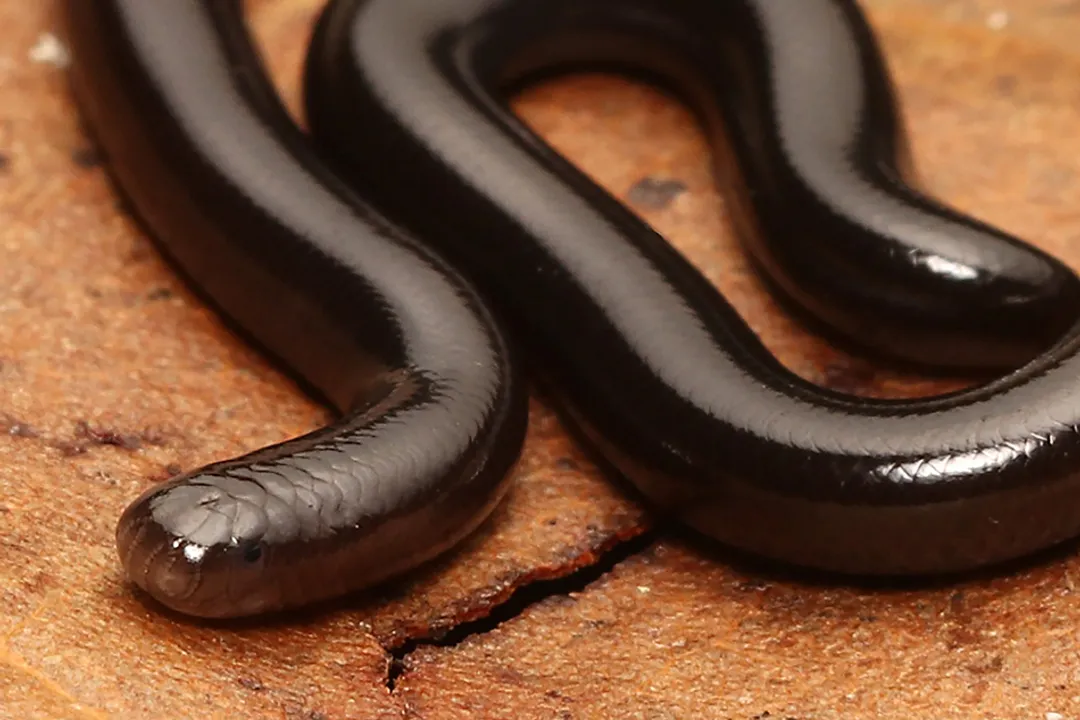
Observing a snake take a drink is a relatively rare treat for most observers, but for those who study or keep the fascinating group of reptiles commonly called "blind snakes," this simple act confirms a fundamental biological need. Yes, blind snakes do drink water when they have access to it. [1] While their name suggests an inability to see, which often correlates with a specialized, secretive life underground, these small, worm-like reptiles still require hydration to maintain their bodily functions just like any other creature. [7][8] Visual confirmation of this necessity often comes from close observation, such as video footage capturing these slender animals deliberately moving their heads to sip from a puddle or a wet surface. [1] This behavior highlights that despite their cryptic existence, their physiological requirements are quite standard for reptiles, even if their methods of acquiring that water differ from their larger, more visible cousins.
# Confirmation Drinking
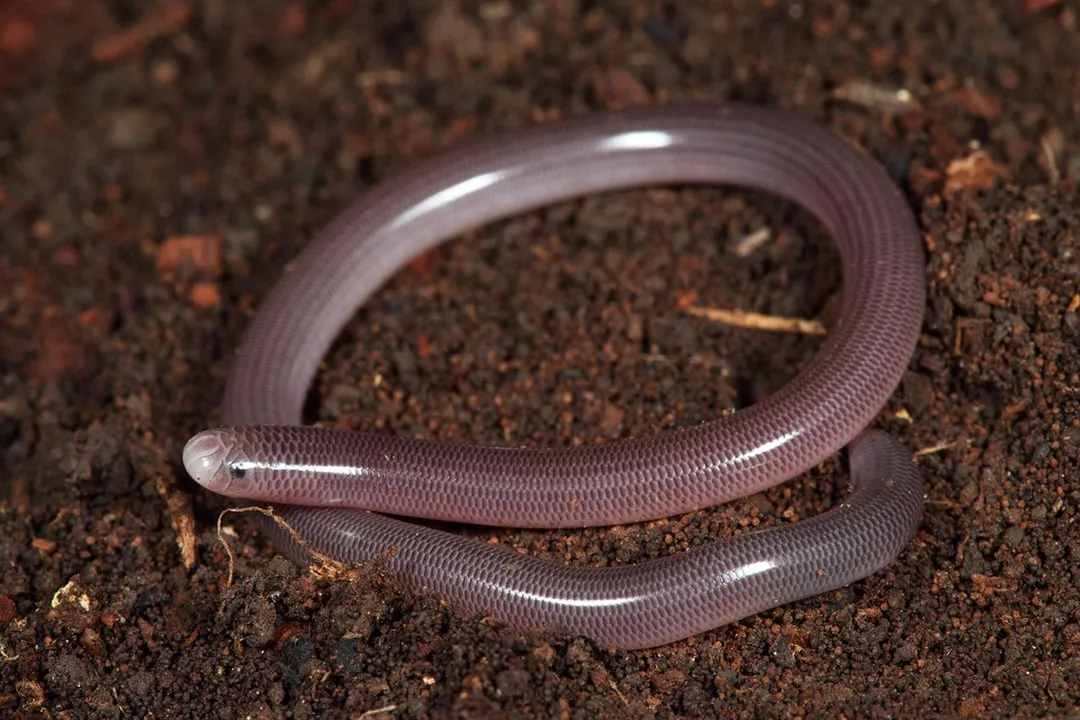
The sight of a blind snake drinking is compelling evidence that these snakes actively seek out liquid water. [1] In documented instances, these snakes are seen submerging their snout or lower jaw into the water source, taking slow, deliberate laps. This is not accidental contact; it is a focused act of ingestion. [1] For many people, the initial encounter with a blind snake is either while it is being unearthed from damp soil or found near a moisture source, which naturally leads to questions about their hydration habits. [5] It is important to remember that while they are often fossorial—meaning they spend much of their lives buried in the substrate—they are not entirely divorced from surface moisture. If standing water is available, they will utilize it. [1]
# Snake Identity
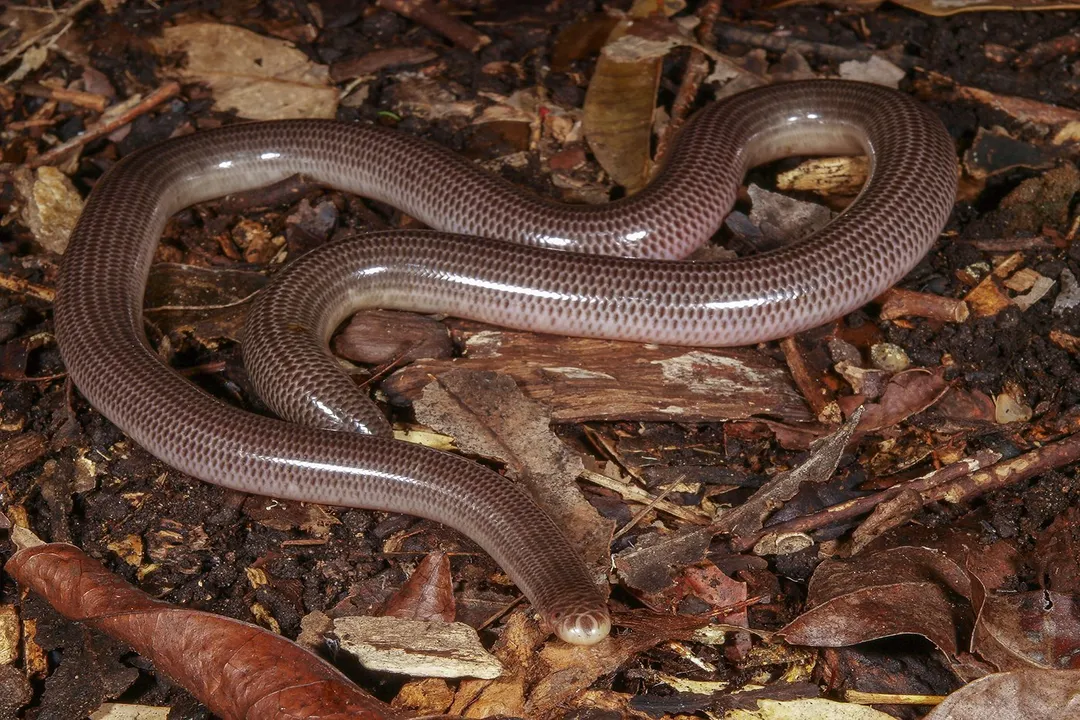
The term "blind snake" itself is a bit of a generalization, often used colloquially for several different families of snakes that share a similar appearance: small, smooth-scaled, cylindrical bodies, and tiny, often inconspicuous eyes. [4][9] The most globally recognized of these is the Brahminy Blind Snake (Indotyphlops braminus), which is sometimes also called the flowerpot snake or thread snake. [4][6] This species is famous for being widely distributed, often unintentionally transported globally in soil or potted plants, and is known to inhabit areas like Florida. [6]
Another group inhabiting North America includes the Rena or Texas Blind Snake, often found in the southern and central United States. [9] The Australian Museum discusses the Anilios genus, often called blind snakes or thread snakes, which are endemic to Australia and share many characteristics with the Brahminy species. [8] Furthermore, the Arizona-Sonora Desert Museum provides information on the Leptotyphlops family, often referred to as thread snakes or worm snakes, noting their reliance on soft soil and decaying matter. [7] Regardless of the specific family—whether Indotyphlops, Rena, or Anilios—the common need for water persists across these small, burrowing types. [1][7][8]
# Hydration Sources
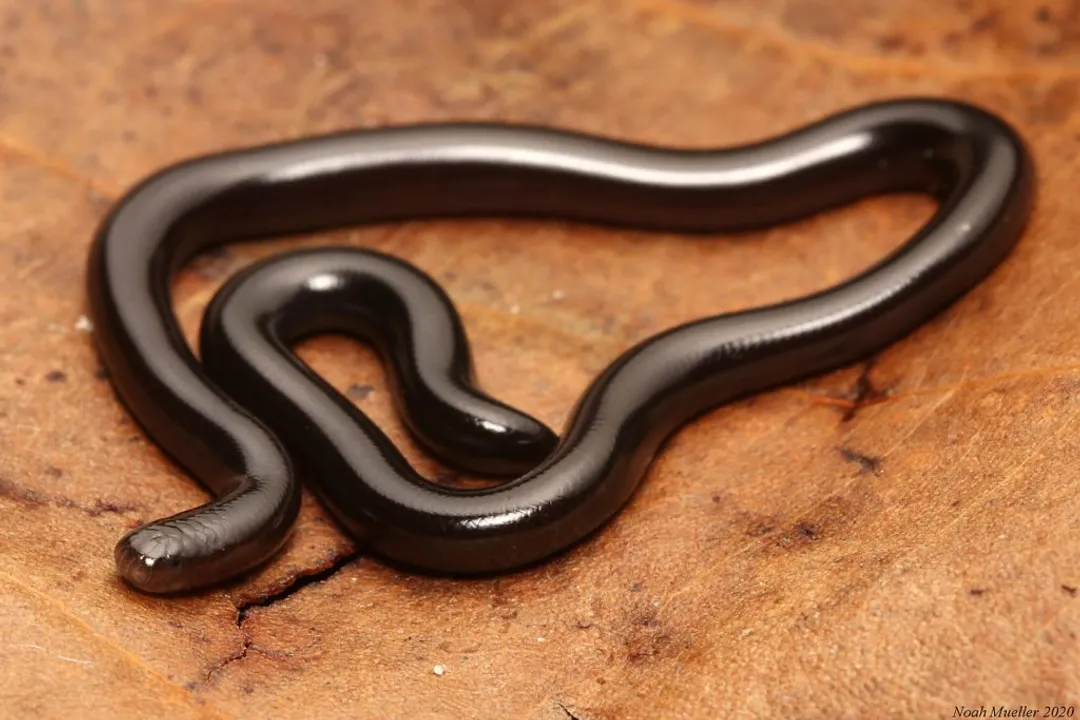
While seeing a blind snake drink from an open water source is definitive proof of a need for liquid intake, it is probable that much of their daily moisture comes indirectly. Because they live primarily underground, their hydration strategy is likely tied closely to the humidity and moisture content of their subterranean environment. [7][8]
Blind snakes feed almost exclusively on soft-bodied invertebrates, primarily ants and termites, particularly their eggs and larvae. [6][8] This diet is a significant source of metabolic water. When an organism metabolizes fats, proteins, and carbohydrates from its food, water is produced as a byproduct—a process that is critical for desert-dwelling or fossorial animals with limited access to standing pools. [7] For instance, a snake consuming a large quantity of ant eggs would be taking in a high-moisture meal, potentially reducing its need to actively seek out a stream or puddle on a day-to-day basis. [6]
Consider the physical differences in water management for burrowers versus surface dwellers. An animal active above ground, exposed to sun and wind, loses water rapidly through evaporation from its skin and respiratory system. [5] A blind snake, however, spends its time insulated by soil and leaf litter, an environment that naturally maintains a much higher, more stable humidity level, which minimizes evaporative water loss. [8] Therefore, while they will drink when presented with the opportunity, [1] their subterranean lifestyle and specialized diet likely mean they visit open water less frequently than a typical garter snake or water snake. [7] This specialization suggests an evolved reliance on dietary moisture and humid substrate water absorption, with surface drinking being a supplementary behavior, perhaps necessary after periods of high activity or digestion. [6]
# Burrow Conditions
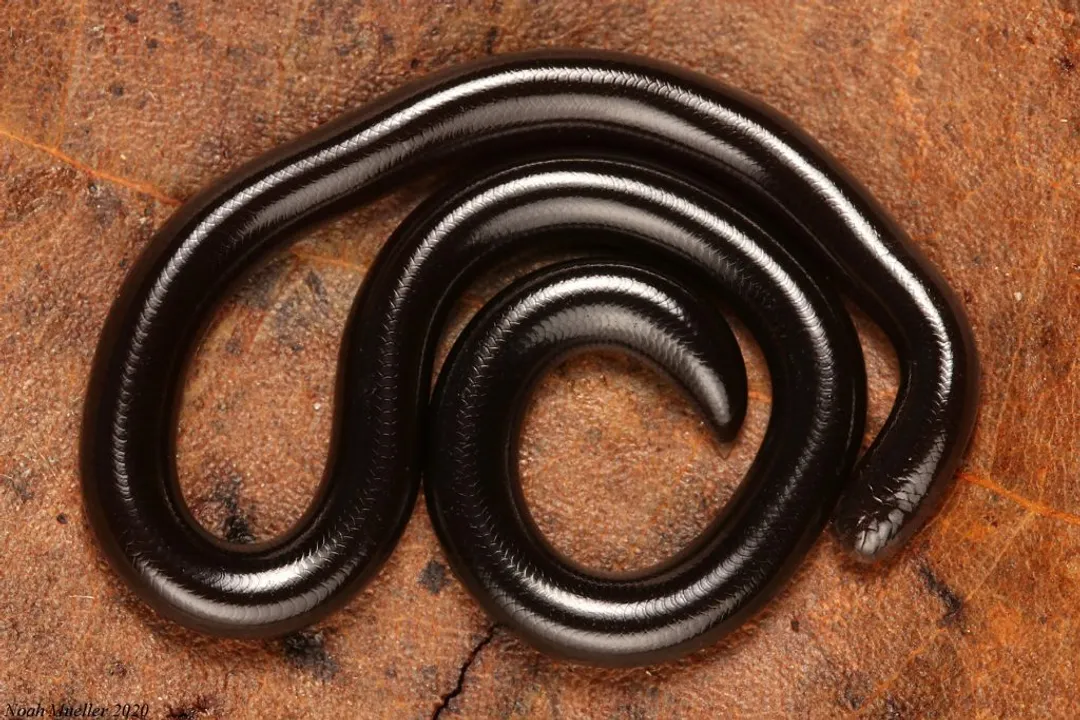
The nature of the soil where these snakes reside dictates their moisture availability. Brahminy Blind Snakes, for example, are frequently found in moist, loose soil, mulch, or under objects like rocks and wood debris. [5][6] They are often encountered when people are turning over potting soil or garden beds, environments typically kept damp. [5] In these settings, the snake can absorb moisture directly through its skin or by pressing against moist soil particles, a process that might be as vital as active drinking.
If one were to map out the ideal microhabitat for these tiny reptiles, the key variable would be moisture retention. In an arid environment, such as the deserts where some Leptotyphlops species are found, the snakes burrow deeply to escape the dry surface heat and reach cooler, more humid soil layers. [7] Conversely, in a very wet climate, like parts of Florida or Australia, the surface soil itself may hold enough moisture that the snakes rarely need to move far from their established territory to stay hydrated. [6][8] This reliance on ambient humidity means that dramatic changes in local rainfall or soil drying can pose a significant threat to populations, even if they are safe from most predators due to their hidden lifestyle. [5]
# Behavior Observations
Blind snakes exhibit several behaviors related to their small size and subterranean existence that affect how we perceive their need for water. Their movements are often described as worm-like or serpentine, allowing them to navigate tight spaces within the soil or through ant tunnels. [4][9] This constant, low-energy movement within a stable environment contrasts sharply with the high-energy foraging of many larger snakes, which necessitates frequent replenishment of fluids through active drinking. [7]
Their feeding behavior also impacts water needs. Since their primary food source—ants and termites—are themselves often found in galleries with high humidity and readily available moisture from their own food sources, the snake is effectively pre-hydrating its prey before consumption. [6][8]
It is worth noting the difference in eye structure across these groups. While often called "blind," many species possess tiny, rudimentary eyes that are merely light-sensitive spots beneath their scales, not true image-forming organs. [6][8] This reduced visual reliance reinforces the idea that they navigate their world primarily through chemoreception (smell/taste) and touch, guiding them towards moist, food-rich soil rather than visually locating a water dish. [9] If they rely on these senses to find food, it is logical they would also use them to locate a damp patch of earth offering moisture and sustenance. [7]
# Comparing Species Water Needs
While the Brahminy Blind Snake is a known cosmopolitan traveler, [6] other blind snakes have more restricted ranges, such as the Texas Blind Snake or the various species found only in Australia. [8][9] Differences in the local climate between, say, the humid subtropical regions of Florida and the drier inland areas of Texas or Australia, might necessitate slight variations in drinking frequency.
For a snake living in a region with intense, dry seasons, the ability to exploit underground pockets of water or rely entirely on metabolic water becomes an essential survival mechanism. In these areas, finding a surface puddle might be a rare, critical event—a 'bonanza' of hydration that must be taken advantage of immediately, as demonstrated in the visual records. [1] In contrast, in consistently damp environments, the snake might go weeks without needing to drink, relying on the constant, low-level moisture gradient in the soil. [8]
Here is a comparative look at environmental pressures influencing hydration:
| Environment Type | Primary Moisture Source | Drinking Frequency (Estimated) | Survival Strategy Focus |
|---|---|---|---|
| Constantly Damp Soil | Substrate Humidity / Prey Moisture | Low to Moderate | Consistent, low-effort absorption |
| Arid/Seasonal Dry Zones | Metabolic Water / Deep Soil Pockets | Low (but critical when available) | Conservation and deep burrowing |
This table illustrates that when a blind snake drinks water is likely dictated more by geography and recent weather than by a fixed daily schedule, unlike many surface-active reptiles. [7]

# Practical Considerations
For those who encounter these small snakes—perhaps while gardening or noticing one near a home's foundation—understanding their water needs provides context for their presence. If you find a blind snake in a dry area, it might be temporarily displaced while searching for moisture, which is why they sometimes turn up in unexpected places like swimming pools or even indoors near leaky pipes. [5] A snake that has ventured onto a dry patio or sidewalk is in immediate danger from desiccation; this is when its instinct to find the nearest damp spot, or actively drink, would be strongest.
If you are a keeper of exotic pets and have a burrowing snake like an Indian Blind Snake, managing humidity in its enclosure is paramount. Instead of providing a large water dish that it might drown in or ignore, keepers often ensure the substrate remains consistently damp, perhaps by misting one side of the tank or using a moisture gradient, which mimics their natural environment more effectively than forcing them to use a water bowl. [6] This highlights an important principle: for fossorial species, the medium is often the source of hydration, not just the destination. [8]
When considering what a blind snake drinks, it is rarely pristine, filtered water. It is whatever moisture is present in the environment: condensation, dew trapped on soil particles, water held in the tissues of its insect prey, or standing puddles. [1][7] The resilience of these snakes, particularly the highly successful Brahminy species, is directly tied to their ability to manage their water budget efficiently across diverse, often challenging, microclimates. [6] Their small size, which is a weakness in terms of predator exposure, becomes a major advantage in water conservation because they can quickly find refuge in a pocket of damp soil that a larger snake could never access. [9]
# Locating Moisture
While the sources show they do drink, the act is fleeting and often unseen in the wild. This leads to a practical observation for naturalists: if you suspect a local population of blind snakes is thriving, look for consistent moisture indicators near their known habitats. This means checking under damp mulch piles, near slow-draining areas in a yard, or even around the base of large, established potted plants that are frequently watered. [5] Because they can move through very small gaps, they can access water trapped in surprising places—underneath a misplaced paving stone or within a crack in a concrete slab where condensation collects. This micro-habitat dependency means that local ground moisture levels are a better predictor of a blind snake community's health than any visible water source on the surface. [7][8] They are the masters of utilizing the planet's inherent dampness, reserving active drinking for moments when that inherent moisture supply has temporarily diminished. [1]
Related Questions
#Citations
Have you ever seen a snake drinking water? Blind ... - Facebook
A blind snake drinks water (Typhlopidae) - YouTube
Have you ever seen a snake drinking water? Blind ... - Instagram
The Brahminy blind snake is also known as the 'flowerpot ... - Reddit
Brahminy Blindsnake – Florida Snake ID Guide
Western blind snake (Leptotyphlops humilis) - Desert Museum
Blind Snake - The Australian Museum
Texas Blind Snake - Facts, Diet, Habitat & Pictures on Animalia.bio