Where should observers look for *Rena humilis* activity based on prey concentration?
Answer
Under debris or rocks near established ant trails where soil retains some moisture.
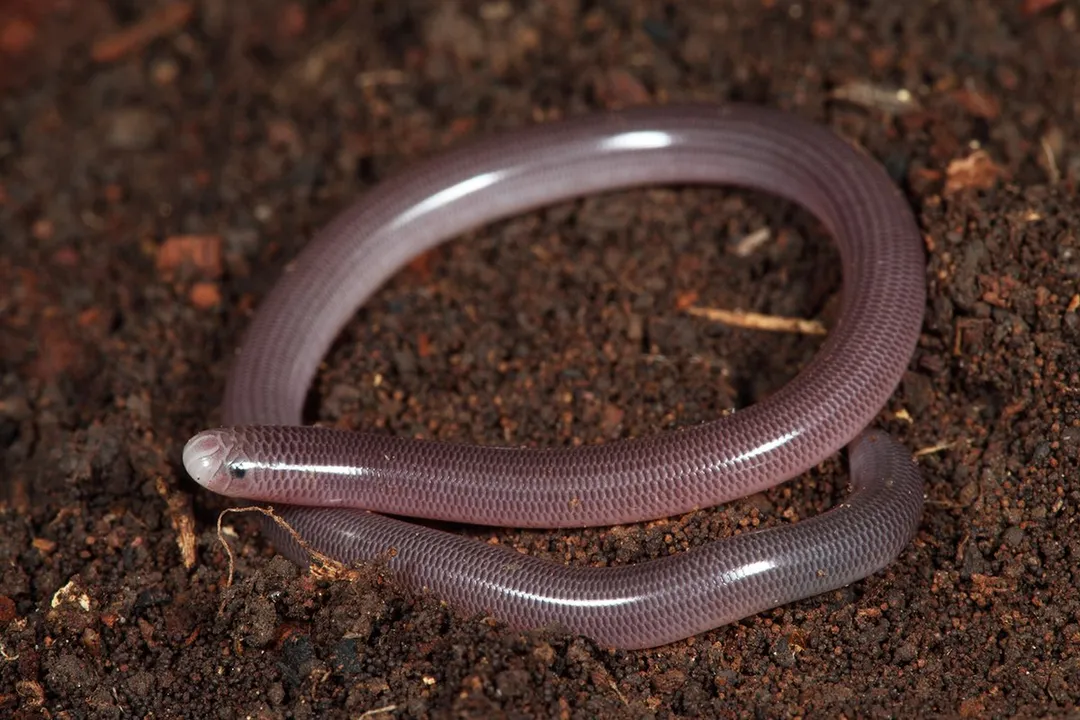
Locating the Western Blind Snake is highly dependent on locating its specific resources. Since its diet of eggs and larvae is embedded in the substrate, the snake will be found where these invertebrates thrive. This typically means areas where soil maintains adequate humidity and structure, such as beneath logs, rocks, or debris that sits directly over established subterranean insect activity. Observation should focus on warm, damp periods when these invertebrate communities are most active just beneath the surface.
Related Questions
What is the scientific name for the Western Blind Snake?What term describes the *Rena humilis* dedication to eating ants?What specific parts of ant and termite colonies does *Rena humilis* target?Why does the Western Blind Snake focus on larvae over adult ants?What characteristic defines the subterranean foraging style of *Rena humilis*?Which sensory input is likely relied upon heavily by *Rena humilis* underground to locate hidden chambers?What physical features help the blind snake move efficiently through soil?What key ecological role does the predation by *Rena humilis* play in arid environments?What defensive mechanism is suggested by the snake's resemblance to a grub or ant larva?Where should observers look for *Rena humilis* activity based on prey concentration?