What key ecological role does the predation by *Rena humilis* play in arid environments?
Answer
Natural population regulator for dominant invertebrate groups like ants and termites.
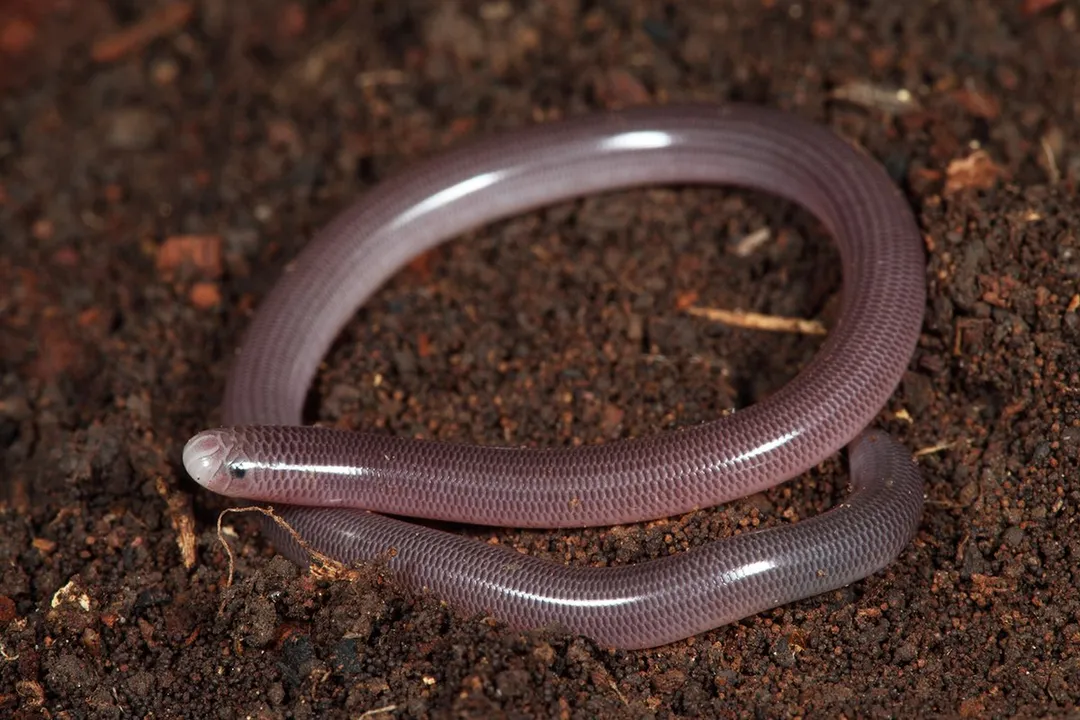
Ants and termites are fundamental components of arid and semi-arid ecosystems, acting as crucial decomposers and soil aerators. By consistently preying upon these insects, especially their rapidly reproducing larval stages, the Western Blind Snake exerts significant downward pressure on their populations. This predatory action helps maintain ecosystem balance by preventing any single invertebrate group from becoming overwhelmingly dominant, thereby preserving overall soil composition and resource availability for other wildlife.
Related Questions
What is the scientific name for the Western Blind Snake?What term describes the *Rena humilis* dedication to eating ants?What specific parts of ant and termite colonies does *Rena humilis* target?Why does the Western Blind Snake focus on larvae over adult ants?What characteristic defines the subterranean foraging style of *Rena humilis*?Which sensory input is likely relied upon heavily by *Rena humilis* underground to locate hidden chambers?What physical features help the blind snake move efficiently through soil?What key ecological role does the predation by *Rena humilis* play in arid environments?What defensive mechanism is suggested by the snake's resemblance to a grub or ant larva?Where should observers look for *Rena humilis* activity based on prey concentration?