Which outdoor sites serve as potential bridging points between the environment and the home interior?
Answer
Outbuildings housing stored animal feed or seed stock
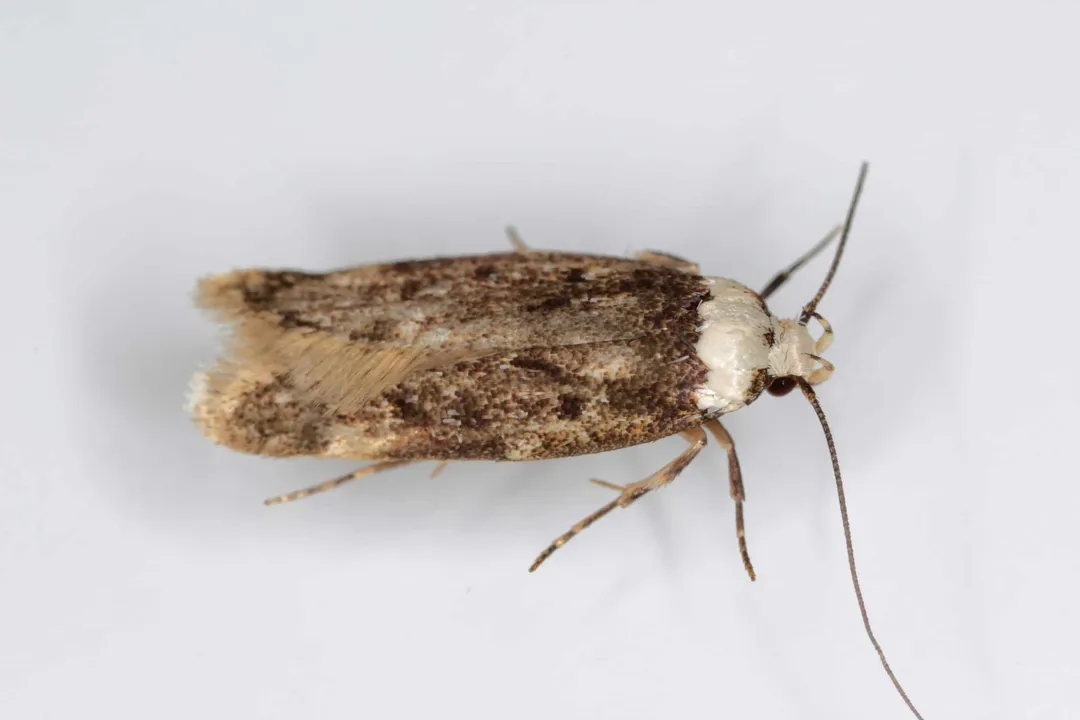
Although commonly associated with homes, *Endrosis sarcitrella* can inhabit exterior or semi-exterior locations provided they offer protection similar to that found indoors—shelter from harsh weather and predators. These outer areas function as potential conduits, allowing the pest to transition into the main dwelling. Specifically mentioned locations include outbuildings and sheds, particularly if these structures contain stored materials like animal feed or seed stock, which align perfectly with the moth's dietary needs. Furthermore, debris-accumulating spots like under eaves or porches, or even within bird/wasp nests near buildings, serve as viable secondary habitats.
Related Questions
Which continents document the widespread presence of *Endrosis sarcitrella*?Where might *Endrosis sarcitrella* larvae develop within hidden void spaces inside a structure?Besides stored grains and wool fibers, what surprising component feeds *Endrosis sarcitrella* larvae?What environmental factor, besides food presence, defines the moth's location density?Where might pupae of *Endrosis sarcitrella* be found after leaving the primary feeding site?Which outdoor sites serve as potential bridging points between the environment and the home interior?If larval casings or webbing are observed in Zone 2, what does this imply about Zone 1?How does the diet of *Endrosis sarcitrella* larvae differ from that of *Hofmannophila pseudospretella*?Which life stage of the White-shouldered House Moth is characterized as the destructive one indoors?What general concept dictates where *Endrosis sarcitrella* establishes its larval colonies?