White Ferret / Albino Ferrets Locations
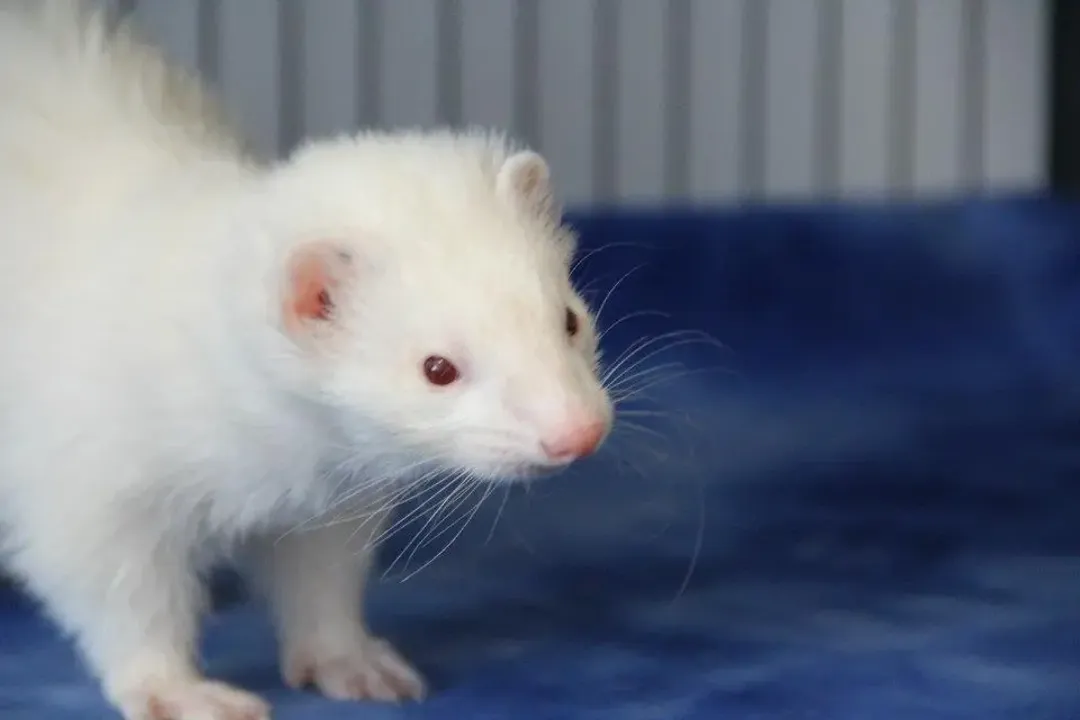
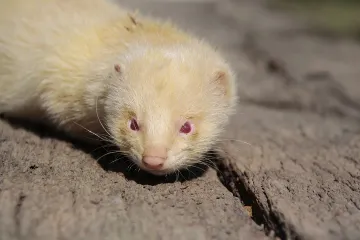
The striking white ferret, often specifically referred to as the albino ferret, represents a distinct color variation within the domesticated ferret population. These creatures are notable because they entirely lack melanin, the pigment responsible for color in the fur, skin, and eyes of most animals. This absence of pigment gives them their characteristic snow-white coat, which distinguishes them visually from other common color patterns like sable, silver, or cinnamon ferrets.
# Defining Albinism
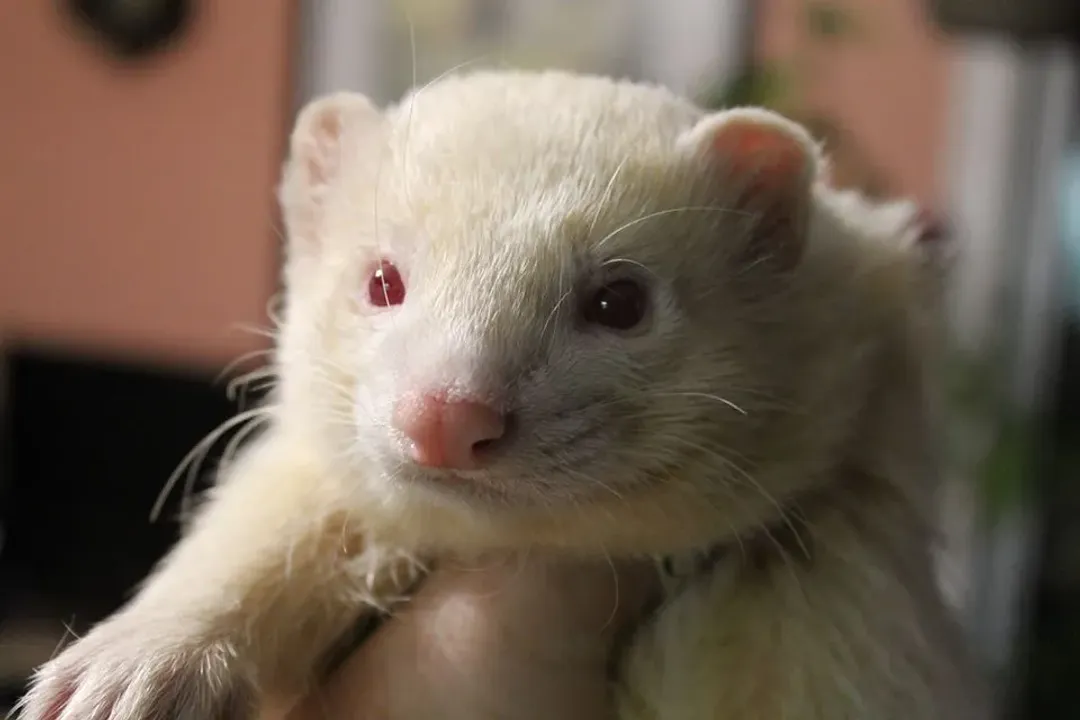
An albino ferret is genetically defined by a specific set of recessive traits. The condition is caused by an inability of the body to produce the pigment melanin due to a genetic mutation. In the world of ferret genetics, this is often associated with the 'C' gene locus, where the albino variety carries two copies of the recessive allele, resulting in the lack of color. It is important to note that while "white ferret" is a common term, true albinism means the animal possesses red or pink eyes, which is a defining characteristic distinguishing them from other white-looking ferrets, such as those that are solid white but possess dark eyes (sometimes called 'De-marked White' or 'White Mitts' depending on the specific pattern). The pink or red appearance of the eye in an albino is due to the visibility of the blood vessels in the retina because of the lack of pigment in the iris.
These animals are often described as having a playful and energetic temperament, which is consistent with the general nature of ferrets known for their inquisitive and mischievous behavior. Their appearance, especially the pure white coat, makes them quite memorable companions for those who keep them as pets.
# Finding Locations
When considering the "locations" of white ferrets, it is essential to understand that ferrets (Mustela putorius furo) are entirely domesticated animals, originating from the European polecat. Therefore, you will not find wild populations of albino ferrets established in natural environments in the same way you might find wild stoats or weasels. The primary location for an albino ferret is as a companion animal within a human household.
Acquiring one typically involves connecting with reputable breeders who specialize in specific color morphs, or through ferret-specific rescue organizations. While they are rarer than naturally colored ferrets, dedicated searches within the ferret enthusiast community often yield results, as many breeders intentionally produce these specific colorations. If someone encounters a white, mustelid-like animal in the wild, such as reports from areas like Wales, it is far more likely to be a native wild animal, like a stoat or weasel, rather than a lost or escaped albino ferret, given the species' domesticated status.
For someone looking to bring an albino ferret into their life, working with a breeder who can provide health history for the line is crucial, especially given the associated genetic health considerations. It is always beneficial to ask potential sources about the lineage to better understand the genetic background of the kit you are considering.

# Health Sensitivities
The lack of pigment that makes the albino ferret so visually striking also correlates with specific health vulnerabilities that require attentive ownership. The most significant concerns generally revolve around their sensory organs.
# Vision Concerns
The most frequently discussed issue is potential vision impairment. Due to the lack of melanin in the eyes, albino ferrets often experience sensitivity to bright light, sometimes appearing near-sighted or having poor depth perception. While some sources suggest they can be functionally blind, others indicate that their vision is simply poor, especially in well-lit areas. Owners must learn to interpret their pet's behavior to determine the extent of their vision loss, often observing them navigating familiar spaces confidently but hesitating near new obstacles or in bright sunlight.
# Auditory Issues
Another potential complication linked to the genes causing albinism in some mammals is deafness. While this is not a guaranteed outcome for every albino ferret, owners should be aware of the possibility and monitor their pet for responsiveness to sounds, particularly in the home environment.
Caring for an albino ferret often means slightly modifying their living space compared to a standard colored ferret. This might involve ensuring their primary play and sleeping areas are kept in relatively dimmer light, perhaps by using sheer curtains or placing cages away from direct, strong sunlight. If you are accustomed to a pigmented ferret, recognizing that your albino companion might startle more easily or take longer to adjust to new objects due to visual differences is a key care adjustment. When an albino ferret is being introduced to a new environment or toy, slow, gentle introductions are generally more successful than sudden presentation, as they rely more heavily on scent and sound to map their surroundings. This environmental management becomes part of the daily routine for owners committed to their pet's comfort.
# Color Diversity
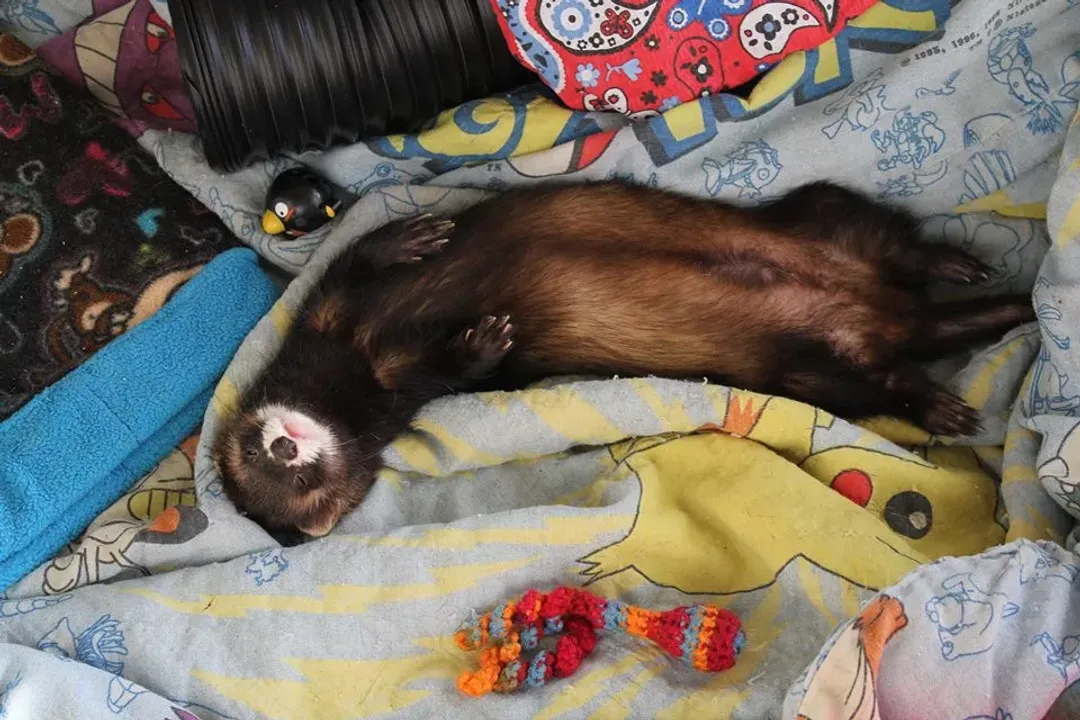
It is helpful to see the albino in the context of the broader spectrum of ferret coloration, as it helps explain why they stand out. Ferrets display a wide array of colors and patterns, determined by dominant and recessive genes acting upon the base pigment.
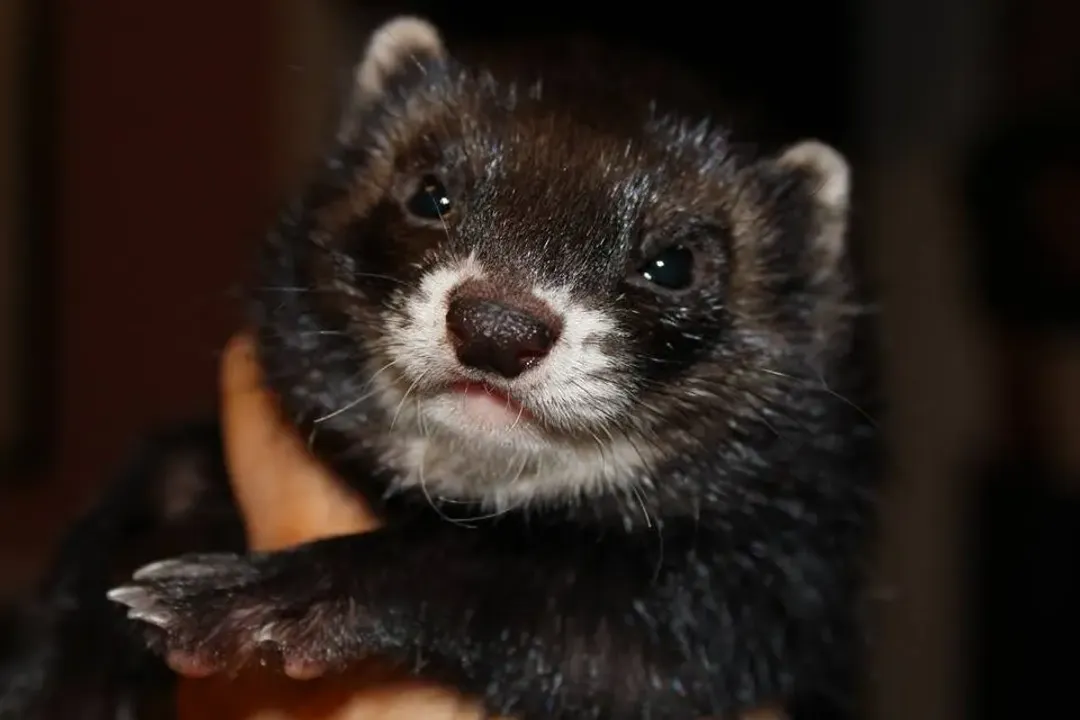
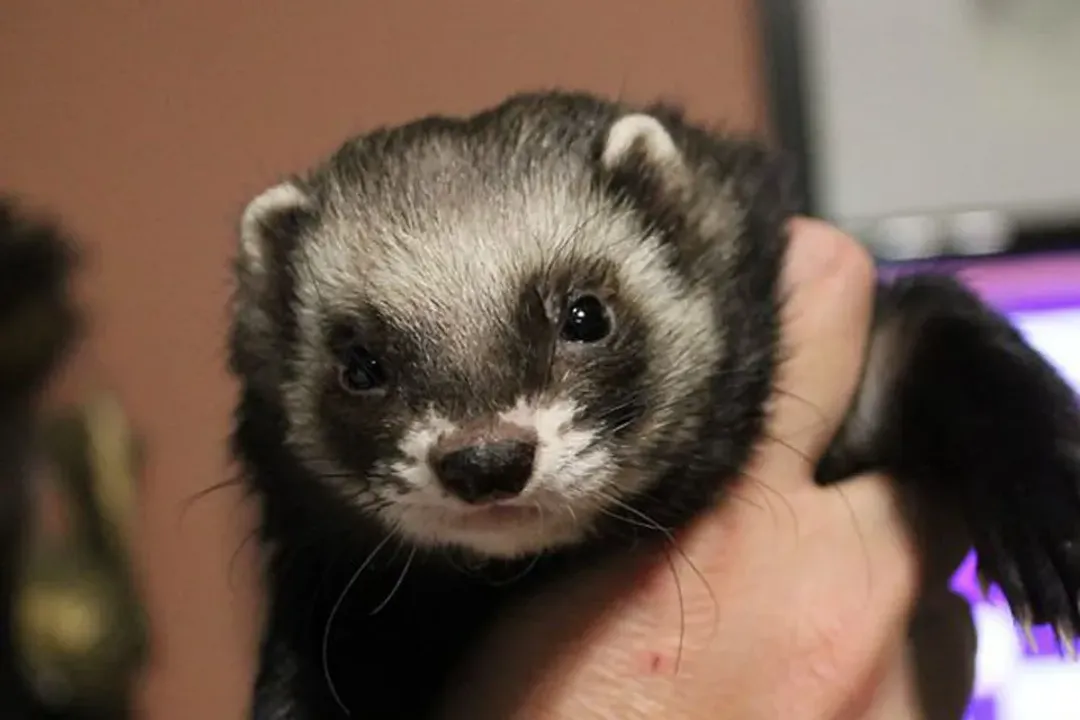
For instance, the common sable ferret possesses darker guard hairs and masked facial markings, while other variations include cinnamon (a reddish-brown hue) and silver (where the guard hairs lighten significantly). The albino exists at the extreme end of this spectrum—the complete removal of color expression. Many color patterns can also be modified by white markings, such as Mitts, where the feet are white, or Blaze, which refers to a white stripe on the face. The albino, however, is defined by the total lack of color deposition across the body, not just localized white patches.
Understanding the genetic underpinning helps owners appreciate that while the albino is genetically unique, its fundamental biological needs regarding diet, interaction, and general health care are the same as any other ferret breed. The primary differentiation in their long-term care plan rests almost entirely on managing their light and sound sensitivity.
# Responsible Acquisition Tips
For potential owners specifically seeking this color morph, understanding the best "location" to find a healthy animal involves due diligence. Since specialized colors can sometimes be sought out without regard for health, verifying the source is paramount.
Here is a short checklist for evaluating where to acquire an albino ferret:
- Health Records: Request documentation showing veterinary checks, especially regarding hearing and vision screening performed by the breeder or previous owner.
- Breeder Transparency: A responsible breeder should be knowledgeable about the specific color genetics and willing to discuss the known health predispositions associated with albinism in their lines.
- Rescue First: Always check local or national ferret-specific rescues. They often have specialized color morphs surrendered or abandoned and can provide known history.
- Environment Check: If purchasing from a breeder, ensure the environment where the kits are raised is clean, calm, and not overly bright, which allows for better early assessment of light tolerance.
It’s worth noting that while breeders often aim for specific appearances, the ferret's core identity remains that of an inquisitive and sometimes solitary animal that thrives on structured play and deep burrowing opportunities. Their location in your home should reflect this need for exploration, even if the lighting needs adjustment for the albino. An owner might consider using textured, dark-colored bedding materials in their sleeping areas to create a comforting, non-stimulating retreat for them away from overhead lights. This contrasts with some standard cage setups that prioritize bright, easily visible bedding for observing non-albino pets.
# Wild Sightings Contrast
Although ferrets are pets, occasional reports or sightings of unusual-looking mustelids surface in various regions, sometimes prompting confusion. In the United Kingdom, for instance, local community forums occasionally feature images of white or pale animals found outdoors. However, distinguishing a lost, escaped, or released domestic ferret from a native wild animal, such as a pale stoat or weasel, requires expert identification. Given that ferrets have a long history of domestication and are not known to sustain wild populations, any such sighting is usually an anomaly involving an escaped pet. The physical differences, such as the overall body shape, size, and head structure between a ferret and its wild relatives, are usually the key indicators for identification.
The desire for a white ferret often stems from their unique appearance—the stark white coat paired with the pink eyes creates an almost ethereal look. This aesthetic appeal drives much of the demand for this specific coloration within the pet trade. However, that visual appeal must be balanced with the commitment required to manage the potential sensory challenges that accompany the lack of pigment throughout their lives. Providing a safe, low-stress, and suitably dimmed environment allows these intelligent little animals to display the playful spirit they are famous for, regardless of their unusual coloring.
Related Questions
#Citations
White Ferret / Albino Ferrets Animal Facts - Mustela putorius furo
White Ferret / Albino Ferrets Facts & Photos - Wowzerful
White Albino Ferrets | Facts & Characteristics - Bio Explorer
Albino Ferrets: Get All The Facts About Them Here!
Rare Albino Ferret – The Snow-White Trickster ... - Facebook
Ferret - Wikipedia
What animal is this? Spotted in Wales, UK : r/animalid - Reddit
Rare Albino Ferret - Instagram
Ferret Colors and Patterns - Holistic Ferret Forum