White Bass Locations
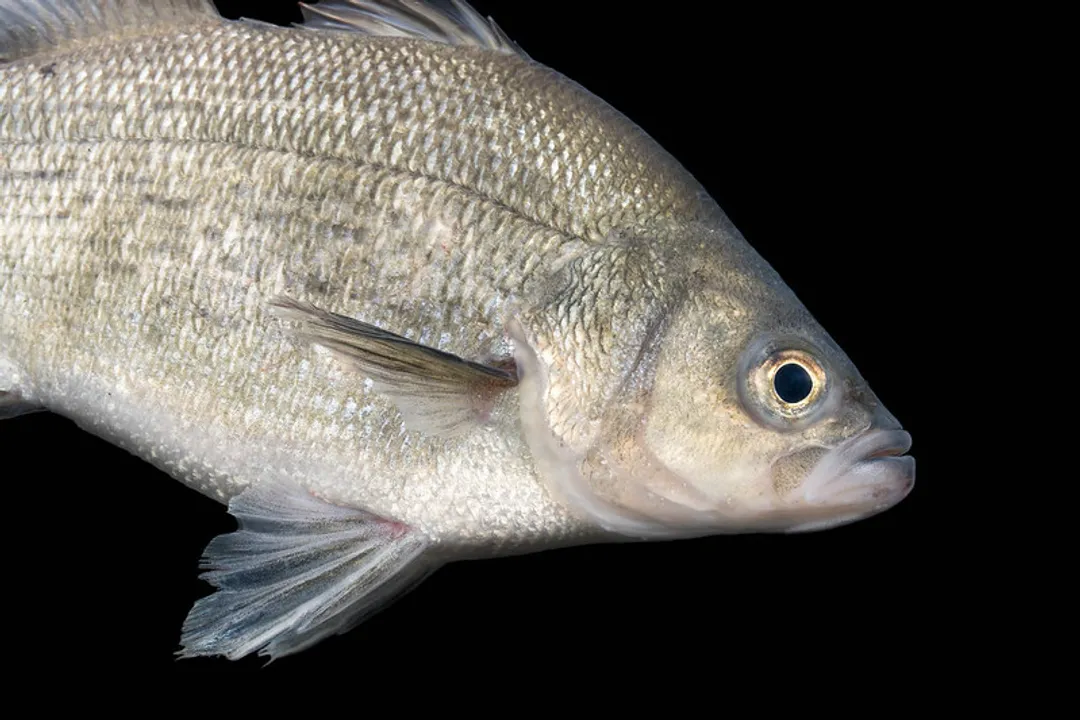
Tracking down a solid school of white bass requires understanding their highly mobile, schooling nature and adapting to their distinct seasonal preferences across different bodies of water. [5][4] Unlike their often solitary cousins, finding one white bass usually means you have found dozens, but their location shifts dramatically depending on the time of year, water temperature, and local forage base. [4] These fish, scientifically known as Morone chrysops, are native to the Great Lakes and the Mississippi River basin, thriving in both large rivers and open lake environments. [6]
# Water Preference
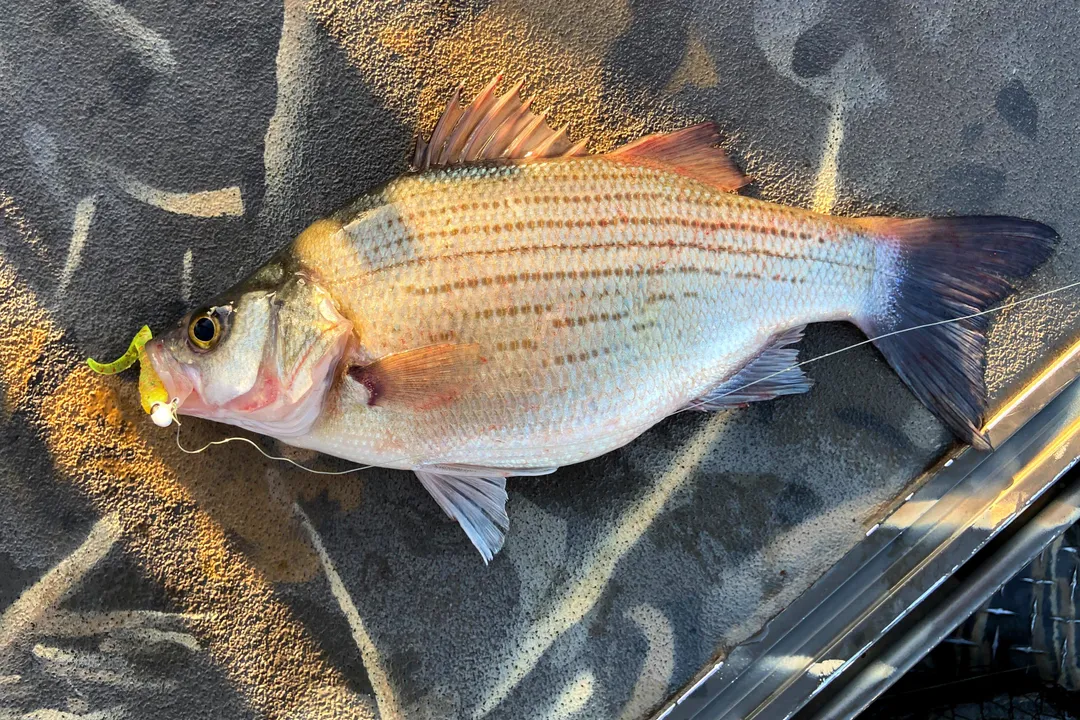
White bass generally prefer large lakes, reservoirs, and substantial rivers. [5][8] Their habitat is quite adaptable; they can be found in water ranging from relatively clear to somewhat turbid conditions. [1] However, when compared directly to their hybrid cousins, the wiper (White Bass x Striped Bass), white bass tend to favor slightly cooler and clearer water regimes. [8] In large systems, they often gravitate toward open water but will utilize structure when necessary for staging or feeding. [4]
This species is known for its silvery sides and subtle striping, which helps camouflage it in the water column. [6] Their primary diet consists of smaller baitfish, particularly shad and minnows, which strongly influences where anglers should focus their efforts—where the bait is, the white bass will follow. [8][4]
| Water Clarity | Typical Habitat | Notes |
|---|---|---|
| Clear to Turbid | Large Lakes and Reservoirs | Adaptable, but often favor clearer water over turbid conditions. [1][8] |
| Moderate Flow | Major Rivers | Common in the Mississippi River system and its tributaries. [6] |
| Open Water | Schooling Areas | Primarily pelagic (open water) feeders, though they key on bottom structure during certain seasons. [5][4] |
It is helpful to note that while the white bass is a formidable fighter for its size—rarely exceeding four pounds but occasionally reaching seven pounds [6]—its tendency to roam in dense schools means an unsuccessful morning can turn into a banner afternoon once you intercept a moving pack. [5]
# Spawning Sites
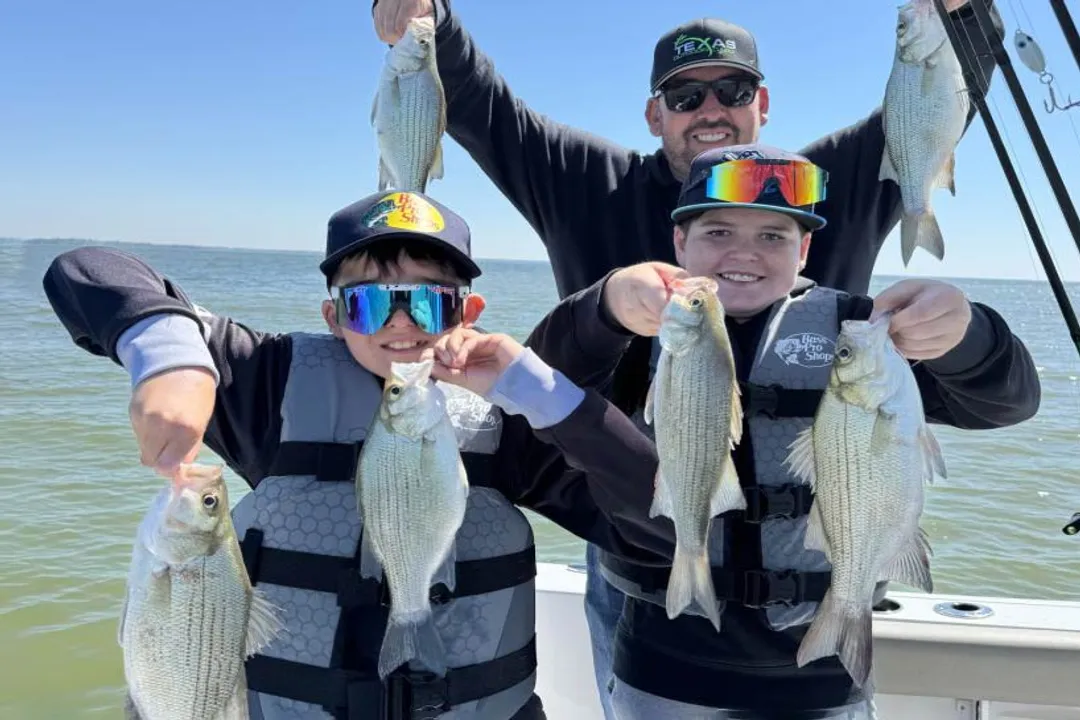
The annual migration to spawning grounds is perhaps the most predictable location shift for the white bass population. [1] In many regions, the urge to spawn strikes as spring transitions into early summer. [1] The ideal water temperature range that triggers this move is generally between 60 and 70 degrees Fahrenheit. [8]
When the conditions are right, white bass move into relatively shallow areas to reproduce. [1] They seek out gravel or sand bottoms for depositing their eggs. [1] This means that in lakes and reservoirs, you should focus your search near tributary mouths or shallow gravel bars within the main body of the lake during the late spring window. [1] If you are fishing a river system, look for current seams adjacent to these gravelly stretches. If an area has recently warmed into that critical 60-degree range, the fish might still be staging nearby, even if they have already finished the primary spawning event. [8]
A key difference in location strategy here is that while they utilize structure, the bottom composition becomes more important than vertical relief during the spawn, shifting their focus from deep humps to shallower, flatter substrates suitable for egg laying. [1]
# Summer Depths
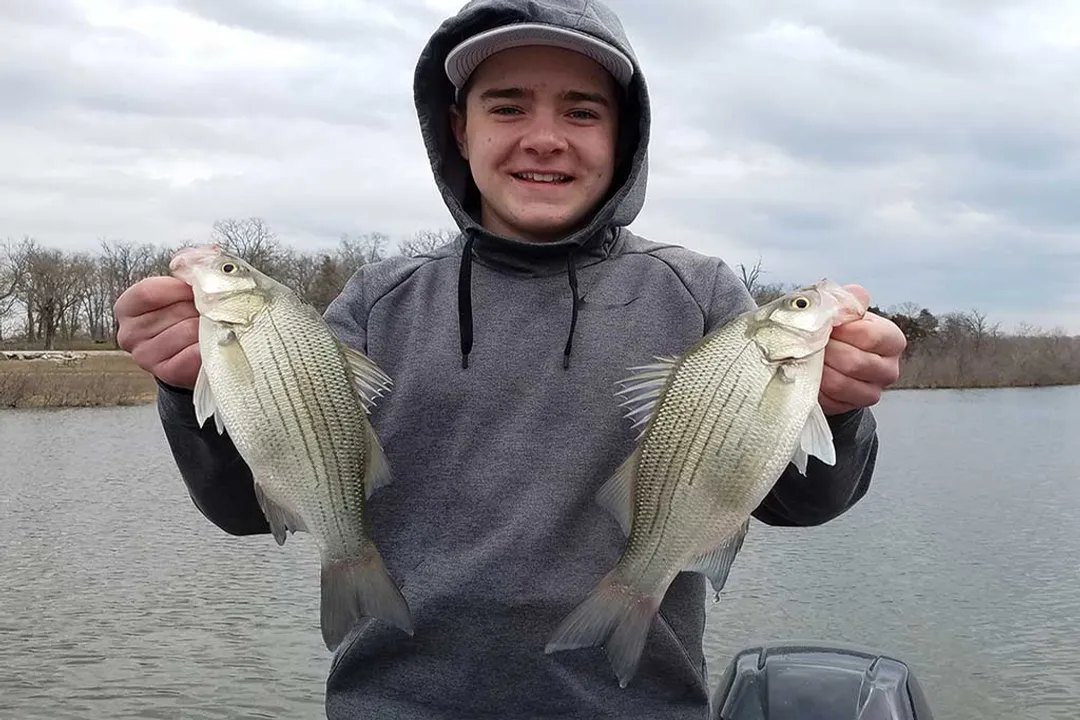
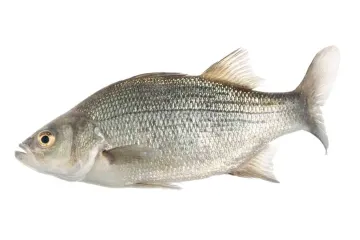
Once the spring migration is complete and summer heat sets in, white bass retreat to deeper, cooler water, especially in systems that develop a distinct thermocline. [7] During this period, finding them involves targeting deep structure rather than shoreline cover. [4]
In large reservoirs, look for the fish suspended near the thermocline or associated with deep bottom features like humps, underwater ledges, and significant break lines that drop into deeper basins. [7][4] The depth can vary widely based on the lake's specific profile and oxygen levels, but they are often found between 15 and 25 feet during the heat of the day, tracking schools of shad that are also holding in cooler water. [7] If the lake is large enough to support vast open-water schools, they will follow large bait balls far from the bank. [5]
If you are fishing a system like Lake Shelbyville, for example, the summer pattern demands concentrating effort on these main-lake structure points where baitfish concentrate. [7] An insightful approach here is recognizing that while the fish are deep, they are still predators hunting moving bait. If you locate a deep hump but see no surface activity, sounder returns showing baitfish above the structure are your green light to start probing the water column above it. [4]
# Autumn Schooling Aggression
Fall often triggers the most visible and exciting locations for white bass anglers: the surface. [4] As water temperatures begin to cool down, often following the first significant drop after the summer peak, white bass become highly aggressive, chasing baitfish toward the surface in massive, churning schools. [4]
These surface boils can happen over virtually any type of bottom feature—it could be near a submerged point, over a shallow flat, or just out in open water. [4] The key location marker here is not the bottom structure itself, but the presence of feeding baitfish on the surface, often signaled by diving birds or visible splashes. [4]
For those fishing in areas like the harbors along Lake Michigan or sections of the Chicago River, this fall feeding frenzy is when the fish move shallower and become more accessible for casting surface lures. [2] If you find one group feeding, cast around the perimeter of that disturbance, as other nearby schools often join the fray or are feeding just below the surface chaos. [4]
# Regional Spotting Tips
While the biological rules apply everywhere, local conditions create unique hotspots. In Illinois waters, for instance, Lake Shelbyville is cited as a place where white bass activity is closely tied to these seasonal movements, requiring anglers to switch from shallow spring targets to deep summer structures near thermoclines. [7]
In more urbanized areas, like the fishing scene around Chicago, anglers report success targeting white bass in harbors connected to Lake Michigan or specific, deeper runs of the Chicago River during their feeding frenzies. [2] This shows that even in highly altered waterways, the fundamental drivers—baitfish presence and temperature comfort—still dictate location. [2]
Synthesizing these location cues into a practical search strategy means adopting a dynamic approach. If it is early May and you are on a large reservoir, your first location to check should be shallow gravel flats near tributary inlets; if it is late July, you should be focused on your electronics searching for break lines between 15 and 30 feet over the main lake body. [1][7] Knowing when to fish a location is as critical as knowing where the location is geographically.
# Locating Through Structure
When the fish are not actively schooling on the surface, locating them requires understanding what structure they prefer when holding tight to the bottom or suspended over deep water. [4] White bass are renowned for schooling tightly around specific underwater landmarks. [5]
Key structure types mentioned repeatedly by experienced anglers include:
- Humps and Ridges: Any elevated bottom structure that rises toward the thermocline in summer or shallow water in spring. [4][7]
- Drop-offs and Break Lines: Steep transitions from shallow flats to deeper water are magnets, especially during pre-spawn staging or summer migration. [4]
- Rock Piles and Riprap: Hard bottoms associated with man-made structures offer good holding areas and often attract the baitfish they feed on. [4]
If you are vertical jigging or slow-rolling spoons, these structural elements provide stationary ambush points when the open-water feeding bite dies down. [3] Lure color choice, often favoring silver or white lures that mimic shad, [3] becomes less important than positioning the lure directly against or just above this structure when the fish are hunkered down. [4] If the water is highly stained, using a slight depth advantage—fishing just over the hump rather than directly on top of it—can sometimes separate your lure from the pack noise. [1]
Related Questions
#Citations
white bass - Illinois Department of Natural Resources
White bass fishing : r/ChicagoFishing - Reddit
How to Go Fishing for White Bass: The Complete Guide for 2025
How to Fish for White Bass, the Other Spring Panfish - Realtree
White Bass | The Most Complete Species Guide - BassForecast
White bass - Wikipedia
Lake Shelbyville White Bass
White Bass | A Comprehensive Species Guide - Wired2Fish