Whiting Locations
This is the start of the article with introduction paragraph and is not a heading. It should immediately begin the text. The pursuit of whiting leads anglers to vastly different aquatic environments, demanding specific location knowledge depending on the region and the exact species being sought. The term "whiting" is applied to several types of fish across the globe, meaning a prime spot in one locale might hold nothing of interest in another. To successfully target these fish, understanding the local geography—whether it involves deep continental shelves, brackish sounds, or sun-drenched surf lines—is the absolute first step.
# Pacific Hake
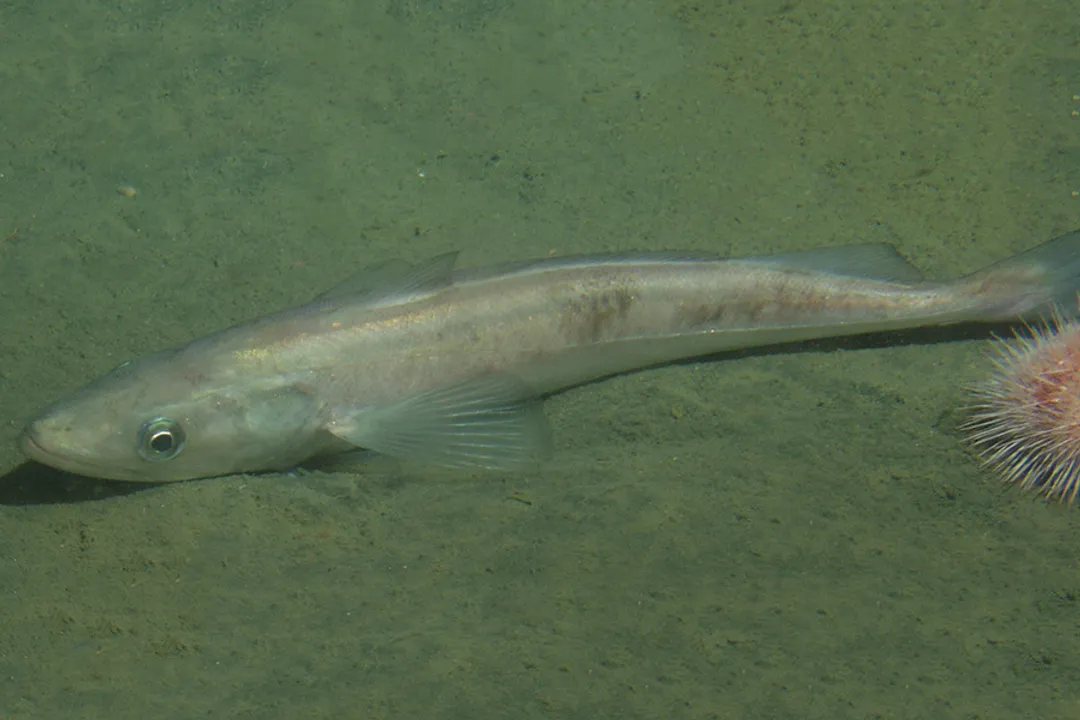
The Pacific whiting, also known by the common name Pacific hake, occupies a distinct niche off the West Coast of the United States and Canada. This species is characterized as a semi-pelagic schooling groundfish, meaning it spends its time suspended in the water column rather than strictly on the bottom. Anglers interested in this particular species must look toward deeper, offshore waters. Pacific whiting are generally found in water depths ranging from about 164 feet up to 1,640 feet, though adults have been documented in areas exceeding 3,000 feet deep and well over 250 miles from shore.
Their behavior dictates their location throughout the day and year. Pacific whiting operate as night-time predators, moving higher in the water column to feed, and then migrating back down to deeper areas during daylight hours. Spawning is known to occur in large numbers during the winter months, specifically January through March, off south-central California, though there is evidence of spawning as far north as Canada. Following this period, the coastal stock travels north to feed along the continental shelf and slope, with ranges extending from northern California up to Vancouver Island. In the summer months, they aggregate in large schools along the shelf break, often shifting farther north if water temperatures are warmer. This species is segmented into three main stocks: the widespread coastal stock, the central-south Puget Sound stock, and the Strait of Georgia stock.
# Georgia Sounds
Moving to the Southeastern United States, whiting—often called southern kingfish depending on the exact area—are highly sought after from early spring well into the fall along the Georgia coast. The preferred habitat here is dramatically different from their Pacific counterparts, focusing instead on inlets, sounds, and nearshore ocean areas, usually around a depth of 20 feet.
Anglers frequently find success by looking for edges where the depth transitions, such as along marked channels or where deeper water meets shallower flats. For instance, the Hampton River at St. Simons Island requires finding the edge of the channel as it approaches the ocean shoreline of Little St. Simons Island. Similarly, areas like Altamaha Sound, Doboy Sound, and Sapelo Sound yield good results when anchored in roughly 20 feet of water along a depth break. Even when fishing the ocean stretch along the coast, the productive zone is often relatively close, typically just a mile or two off the beaches, still aiming for that 20-foot mark. The Cumberland Sound inlet, near the St. Marys River entrance, is another productive spot, with success found by fishing the northern edge of the shipping channel inside the inlet. Since these fish are almost exclusively bottom feeders, locating them depends on getting the bait right on the seafloor where they forage.

# Gulf Surf
On the Alabama coast, specifically around Gulf Shores and Orange Beach, whiting are successfully caught directly from the beach in the surf zone. This location centers on high-energy areas where wave action is prevalent, as the turbulence helps suspend the crustaceans and shrimp that whiting prey upon.
The key search area here involves the sandbars—whiting typically wait just beyond the breakers to ambush their food source. Anglers often cast to the close edge of the first sandbar and then work their way toward the shore until they pinpoint the active feeding line. Scouting is important; looking for darker water indicates a slight increase in depth, which can signal a good ambush point along the sandbar's irregular features. While the primary target is whiting, these shallow, nearshore environments can also produce pompano, flounder, and redfish. Unlike the deeper sound fishing in Georgia, the primary focus in the Gulf surf is managing the moving water and substrate right at the edge of the beach.
# Location Synthesis
The geographical distribution of fish commonly called whiting shows a clear divide based on environment. In the Pacific, Merluccius productus lives in the cold, deep midwater column offshore, requiring specialized deep-water techniques. Conversely, along the Atlantic and Gulf coasts of the Southeastern US, the species targeted (often Southern Kingfish) occupies much shallower, inshore, or nearshore bottoms. Georgia anglers concentrate on the structure within sounds and inlets, favoring a consistent depth of about 20 feet, whereas Alabama surf casters target the agitated, dynamic feeding zones immediately adjacent to the beach and breaking waves. This fundamental difference in habitat—deep pelagic versus shallow benthic or surf—is something every angler must reconcile before selecting their destination and terminal tackle. If you are reading a guide that discusses bottom rigs and light pyramid weights, it is almost certainly referencing the Southern Kingfish types in the Atlantic or Gulf, not the deep-schooling Pacific hake.
# Current Influence
When moving between the structured sound edges of Georgia and the open-water approaches near those sounds, an angler should pay close attention to the tidal current, as it dictates where the fish position themselves relative to the bottom structure. In the Georgia sounds, for instance, whiting will move into the river on the incoming tide, and the current can be swift enough to require a strong anchor set. When the current is running heavy, such as during a full or new moon phase, switching from a delicate slip-sinker rig to a setup accommodating a heavier sinker becomes necessary to ensure the bait stays put on the bottom. The effectiveness of the terminal tackle is entirely dependent on maintaining the intended presentation against the natural flow of water. This applies equally in the surf, where a weight must be just heavy enough to remain stationary on the bottom without rolling, allowing the wave action to suspend food without washing your offering out of the strike zone. If your light weight is rolling in the surf, the fish are likely holding in a slightly deeper trough nearby where the current is less direct, or you need to upsize your weight slightly until it holds firm.
# Bait Strategy
Regardless of the precise location—be it a deep channel edge in a sound or the trough behind a sandbar in the surf—the bait presentation must cater to the bottom-feeding nature of the fish. For the Southeastern varieties, dead shrimp is often the premier choice, and it is recommended to use peeled shrimp to maximize scent dispersal in the water column. When you find a school feeding actively, you can switch to a two-hook "chicken rig" setup to potentially double your catch on a single cast, taking advantage of their feeding frenzy. The bait size should be kept small, usually just enough to cover the hook shank of a short-shank 2/0 hook. Interestingly, for those targeting the bottom-feeding whiting in the surf, supplementing the natural bait with an artificial scent strip, like a small piece of Fish Bites after the shrimp, can add an extra layer of attraction and also help secure the softer shrimp bait against wave action.
# Species Differentiation
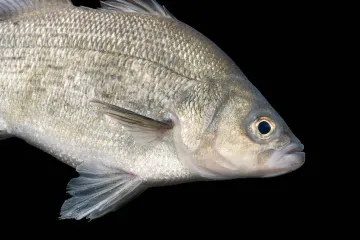
A point of confusion for those new to fishing across state lines is the identity of the fish itself. When fishing the Pacific coast, the target is Pacific whiting (hake), which is a large, silvery fish thriving in deep water and managed commercially as a groundfish. When fishing the coasts of states like Georgia or Alabama, the target is likely a species referred to locally as whiting, such as the Southern Kingfish, which prefers shallower, warmer, estuarine, or nearshore environments. Because one species lives in the midwater offshore depths of the Pacific and the other lives near the bottom in the nearshore Atlantic/Gulf, anglers should be acutely aware of which species dominates the local fishery to avoid inappropriate gear selection—a deep-sea jigging setup is useless in the surf, and a light surf rod will be ineffective targeting deep-water Pacific hake.
Related Questions
#Citations
Surf Fishing for Whiting in the Gulf | Gulf Shores & Orange Beach
Pacific Whiting | NOAA Fisheries
April Whiting In The Inlets And Sounds - Georgia Outdoor News