White Shark Locations
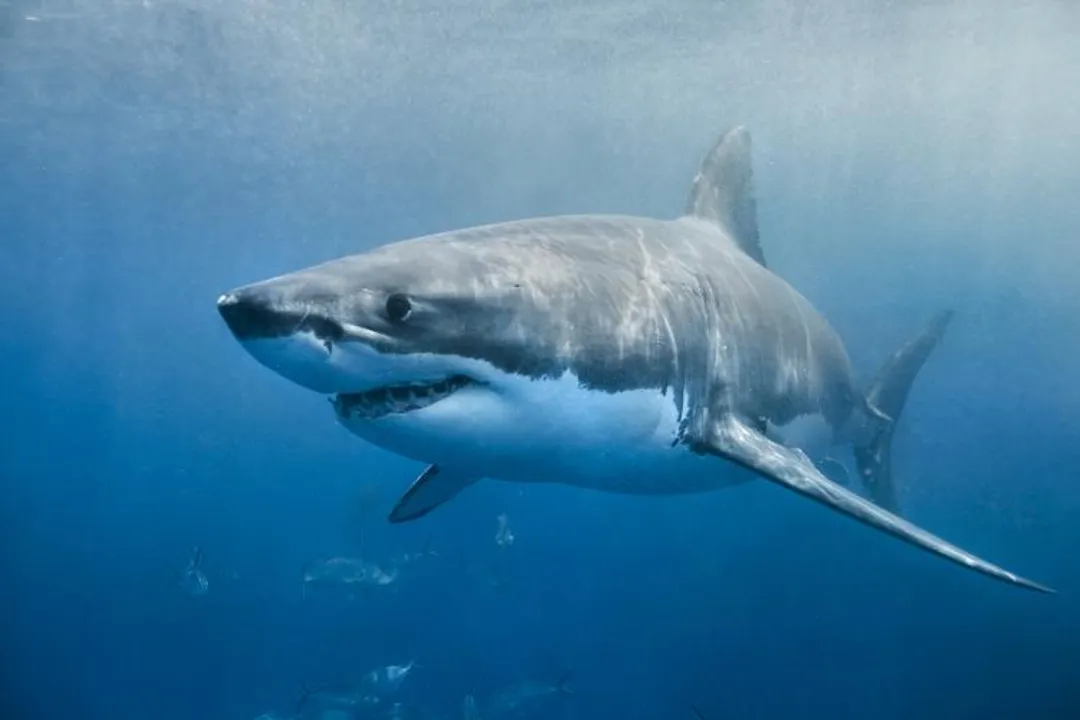
Great white sharks, the ocean’s apex predator, roam vast expanses of the world’s oceans, making the question of where to find them as much about timing and technology as geography. [3] These magnificent animals are not confined to one single territory; rather, they inhabit temperate and sub-tropical waters across the globe, showing a distinct preference for cool, coastal environments where their primary prey congregates. [3][4] While their range is expansive, research and tracking efforts have illuminated specific regions that act as recurring aggregation points, feeding grounds, or essential migratory corridors. [1][6]
# Worldwide Range

The white shark’s distribution is extensive, circling the planet in temperate and sometimes sub-tropical seas. [3] They are found across the Pacific, Atlantic, and Indian Oceans, though their presence is often seasonal, tied directly to the availability of seals, sea lions, and large fish populations. [4] This global presence means that while they are widely distributed, encounters are still localized and depend heavily on specific oceanographic conditions that bring them near coastlines or onto known continental shelves. [6]
# Pacific Concentrations
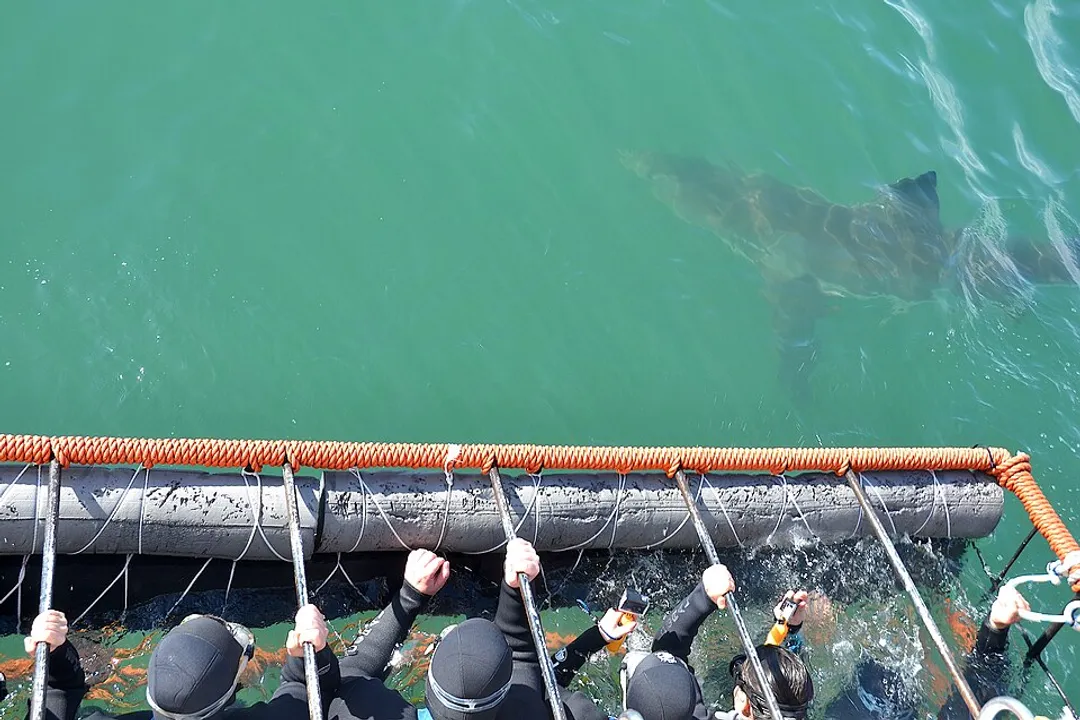
Along the western coast of North America, significant populations exist, particularly off the coast of California. [6] The waters around California are crucial habitat for these sharks, which are protected under state law. [7] Monterey Bay, for example, is recognized as a key area for these animals, with sightings often occurring seasonally. [10] Further south, Guadalupe Island off the coast of Mexico has historically been identified as a major aggregation site, often used by sharks after migrating from cooler northern feeding grounds. [3] These sharks are known to undertake massive trans-oceanic migrations, sometimes traveling between the coasts of California and Hawaii. [3]
Another fascinating, if somewhat mysterious, location is the area in the central North Pacific known as the White Shark Café—a large, deep-water oceanic region where tagged sharks have spent extended periods, suggesting it serves as an important, if not fully understood, migratory or residency zone. [3][6] The presence of sharks in these deep pelagic zones highlights that their habitat is far from limited to coastal shelves. [3]
# Atlantic Encounters
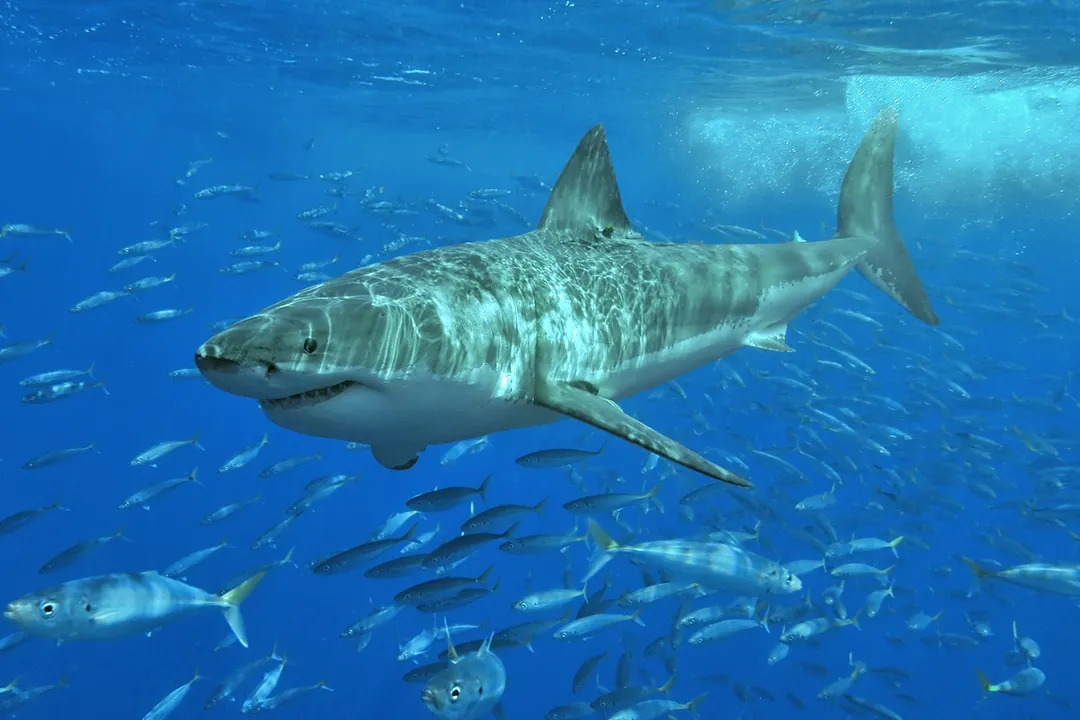
In the Atlantic, the East Coast of the United States represents a well-documented corridor for white shark activity. [6] Cape Cod, Massachusetts, stands out as a major feeding and aggregation area during the warmer months, largely due to the dense population of grey seals found there. [5][6] Tracking data, particularly from organizations utilizing acoustic and satellite tagging, shows sharks often move south along the coast as winter approaches, sometimes congregating off the Carolinas or even heading toward Florida. [1][5]
The movements are not strictly confined to the US coastline. Tagged individuals have demonstrated the capacity to cross the Atlantic, with some individuals moving toward the waters off the coast of Europe or Africa, though the primary focus of US-based tracking tends to follow coastal migrations. [1][3] Monitoring applications, such as the Sharktivity app used by the Atlantic White Shark Conservancy, provide real-time, publicly accessible data on recent localizations, indicating concentrated activity areas in New England waters. [5]
# Tracking Movement Patterns
The ability to pinpoint the locations of white sharks today is largely thanks to sophisticated electronic tagging technology. [1] Organizations like OCEARCH deploy various tags, including satellite tags, which transmit location data when the shark surfaces to breathe, providing researchers with near real-time positioning and movement paths. [1][8] For example, a specific shark named Contender, tracked by OCEARCH, demonstrated significant travel along the Eastern Seaboard, offering a snapshot of how individuals utilize these coastal corridors. [8]
When reviewing the data streams from dozens of tagged sharks across multiple years, an interesting pattern emerges that moves beyond simple tracking. If you analyze the longest, most consistent tracks from both the Pacific and Atlantic populations, you can begin to construct a "probability corridor" rather than a fixed path. The data suggests that the sharks are highly efficient at navigating between known, high-calorie resource patches—such as the seal colonies off Cape Cod or the sea lion rookeries off California—and that the ocean areas between these points are used primarily for transit, often following consistent bathymetric contours or temperature gradients. This efficiency hints that conservation strategies should focus not just on protecting the known feeding hotspots, but also on safeguarding these migratory arteries to maintain population connectivity. [1]
# Spotting Seasonality
For those interested in viewing white sharks, whether from shore or boat, understanding the seasonal nature of their presence is essential. [9] In many key areas, white shark presence is dictated by the presence of prey, making sightings highly predictable based on the time of year. [9]
For instance, the waters off Guadalupe Island are often best in the fall, while the Gulf of the Farallones in California is prime viewing territory in late summer and fall. [9] On the East Coast, the peak activity around Cape Cod generally occurs from late summer into early fall, coinciding with the seals returning to feed or resting near the coast before heading south. [5][6]
A crucial observation for coastal communities that cater to wildlife tourism is the potential temporal overlap between peak human recreational activity and peak shark presence. In many prime East Coast locations, the highest density of shark reports from tagging networks aligns closely with the height of summer tourism, particularly late August through October. [5] This coincidence requires local authorities and tour operators to maintain heightened awareness and clear public communication regarding safe practices and official advisories, balancing public interest with necessary precaution. [7]
# Management and Protection
The Great White Shark is federally protected under the Endangered Species Act in the United States. [2] Furthermore, California listed the white shark as a protected species in 2004, meaning it is illegal to harass, hunt, capture, or kill them within state waters. [7] NOAA Fisheries actively works to conserve the species, acknowledging their importance within the marine ecosystem. [2]
While tracking provides location data, management requires understanding behavior. The Monterey Bay Aquarium, for example, has successfully exhibited great whites, which offers researchers unique opportunities to study their biology and behavior up close, contributing to a deeper understanding of the species beyond just tracking dots on a map. [10] This combination of remote tracking and controlled study helps scientists assess population health and the impact of environmental changes on their distribution. [2] The movement data gathered through these efforts helps inform fisheries management decisions regarding specific coastal areas and migration routes. [1]
Related Questions
#Citations
OCEARCH Shark Tracker
White Shark | NOAA Fisheries
Great white shark - Wikipedia
Discover The Great White Shark Habitat Map | SEEtheWILD
Sharktivity White Shark Tracking App — AWSC
Where are Great White Sharks? - Oceana USA
White Shark Information - California Department of Fish and Wildlife
10 places you're most likely to see a great white shark
White shark | Animals - Monterey Bay Aquarium