White Marlin Locations
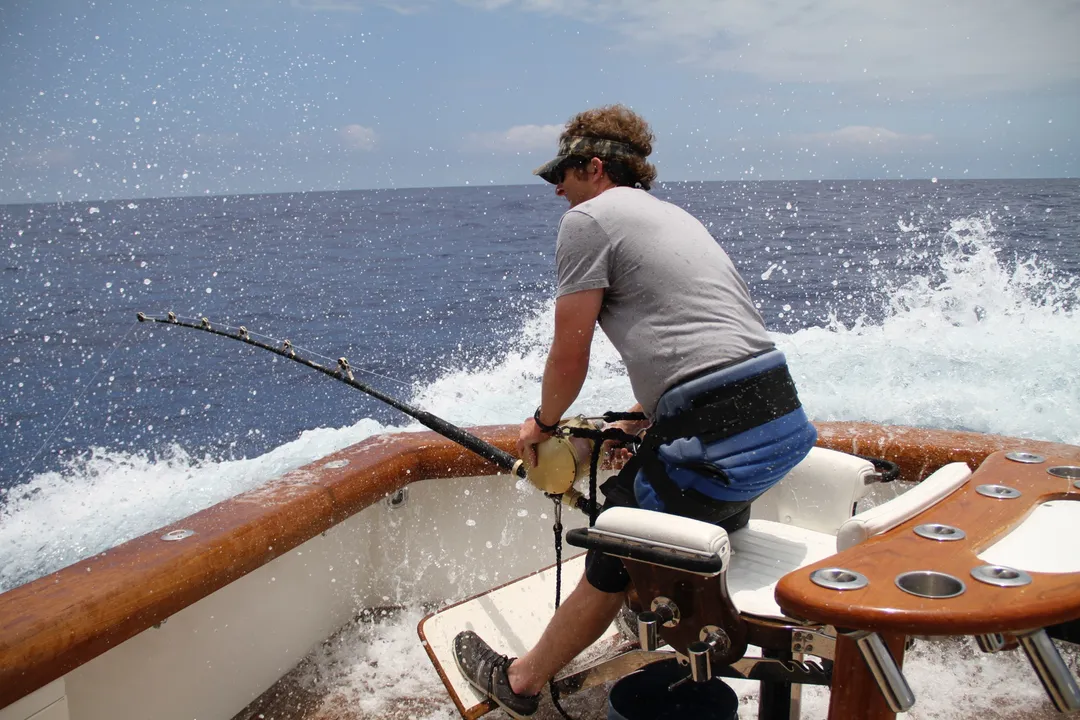
The pursuit of the white marlin, often called the "silver bullet" of the billfish world for its blistering speed and elusive nature, draws anglers to specific coordinates across the globe's warmer waters. Locating these magnificent pelagic predators isn't just about knowing the ocean; it requires understanding their specific preferences for temperature, structure, and seasonal availability, making a successful hunt a testament to expertise and patience. [2][5]
This striking fish, Kryptostomus albidus, is known for its slender build, shorter bill compared to its blue cousin, and its habitat often favoring waters slightly cooler or nearer the coast than where blue marlin congregate. [7][2] Anglers seeking these lightning-fast fighters must align their efforts with known feeding grounds, which shift significantly depending on the calendar month. [5]
# Global Range
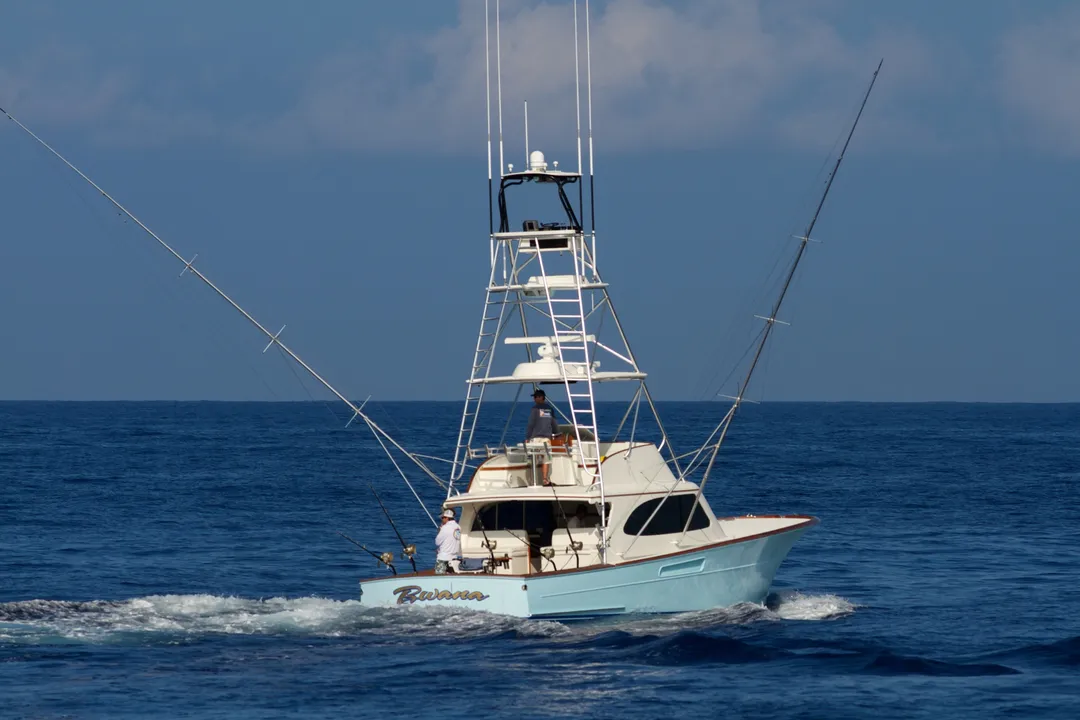
White marlin are widely distributed across tropical and subtropical waters, though their density varies greatly by ocean basin. [2] Historically, they have been found in the Atlantic, Pacific, and Indian Oceans. [2] In the Western Atlantic, the range extends from the southern United States north to the Gulf of Mexico and the Caribbean, reaching down toward the coast of Brazil. [2]
The Pacific population is generally considered less dense than the Atlantic stock. Sightings and successful catches have been recorded from the Gulf of California down to Peru. [2] While the species is recognized globally, specific, reliable hot spots tend to cluster in predictable areas where oceanic conditions favor their presence during feeding seasons. [6]
# Atlantic Hotspots
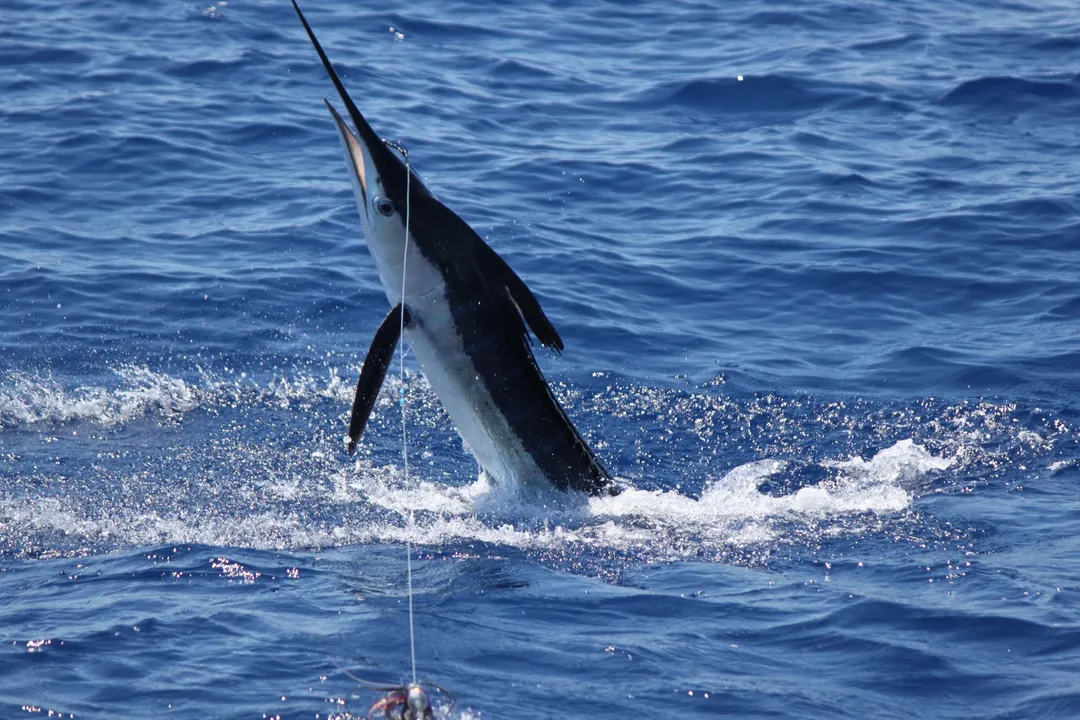
The eastern coast of the United States represents one of the most famous and consistently fished areas for white marlin, particularly during the summer months. [3][8] The Mid-Atlantic region is a major destination, largely due to the sharp drop-off of the continental shelf. [6]
# Mid-Atlantic Canyons
The underwater canyons off the coasts of states like Maryland and Virginia create critical feeding habitats. [6] These geological features bring deep, cooler, nutrient-rich water closer to the surface, attracting baitfish, which in turn draw in the white marlin. [6]
Ocean City, Maryland, stands out as a legendary epicenter for this fishery. The town hosts one of the world’s most prestigious billfish tournaments, the White Marlin Open, which itself serves as a powerful indicator of the fish's reliable presence in that area during the season. [3] The tournament, held annually, underscores the economic and cultural importance of these seasonal migrations to the local community. [8] When planning a trip during the peak summer season, the area known locally as the 30-fathom line and the canyon edges become prime targeting zones. [5]
While the Mid-Atlantic canyons are famous for their summer concentration, it is worth noting that the sheer volume of recreational and tournament fishing pressure in this specific corridor means that fish behavior can be heavily influenced by seasonal bait patterns and angler activity. [8] Unlike some of the more remote, less-pressured Pacific grounds, anglers here must often contend with other boats working the same structure, demanding precision in presentation. [5]
# Habitat Details
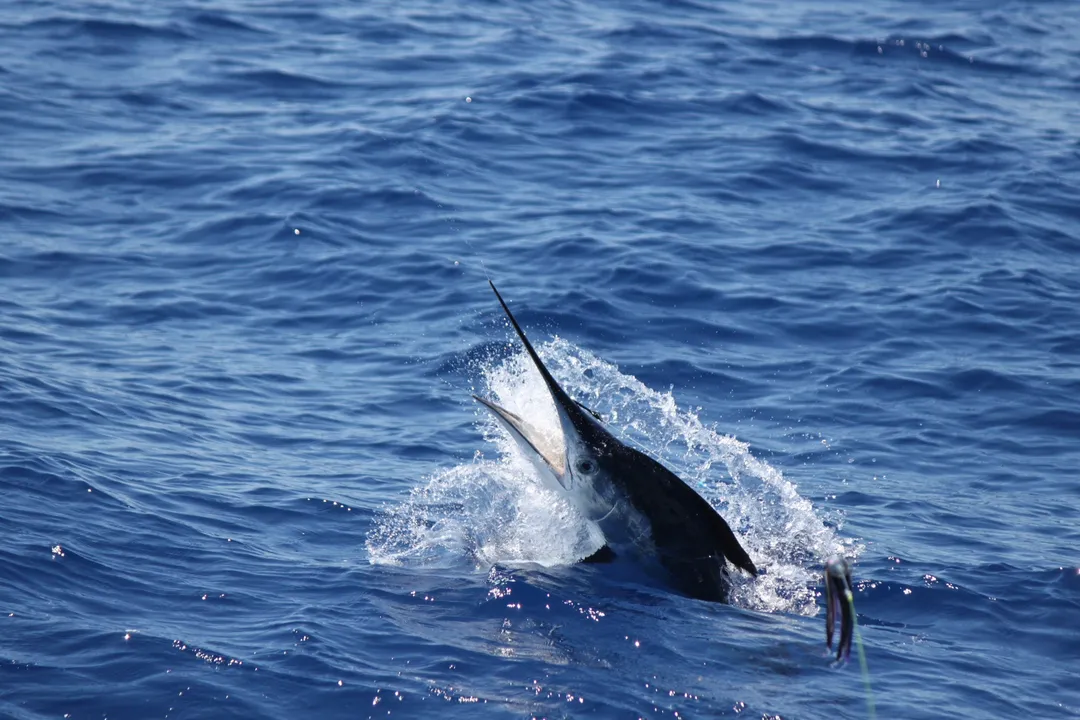
Understanding why white marlin aggregate in certain locations is essential for predicting their movements when they are not in the usual hotspots. White marlin show a preference for slightly cooler waters compared to blue marlin, often favoring temperatures between 72 to 80 degrees Fahrenheit. [7][2]
# Thermal Preferences
The thermal boundary where the cooler slope water meets the warmer shelf water is a common convergence zone. [6] This confluence creates temperature breaks that concentrate plankton and small schooling fish, acting as natural feeding stations for the marlin. [6] Targeting these areas when the water temperature aligns with their preferred range is far more effective than blind trolling across vast expanses of ocean. [5] If the surface temperature is too warm, the fish will likely retreat to deeper, cooler layers or move further offshore toward the Gulf Stream break. [2][7]
# Water Clarity and Depth
High water clarity is generally favored by billfish, but white marlin are sometimes found in slightly turbid or greener water associated with productive inshore currents compared to the deep blue waters favored by blues. [7] They are typically associated with offshore structure, such as canyons and seamounts, rather than shallow coastal areas, although they may venture closer to the shelf break to feed. [6] A general rule of thumb suggests they are most often caught in waters ranging from 100 to 500 feet deep, though they can be found shallower or deeper depending on prey availability. [2]
If one were to map out a productive season based purely on thermal migration, an angler might start targeting the southern US states in the spring as the water warms, shift attention to the Mid-Atlantic canyons in July and August, and then follow them north or deeper as the season progresses toward autumn. [5] This predictable seasonal choreography dictates where the highest concentrations will be found at any given time. [2]
# Distinguishing Locations: White vs. Blue
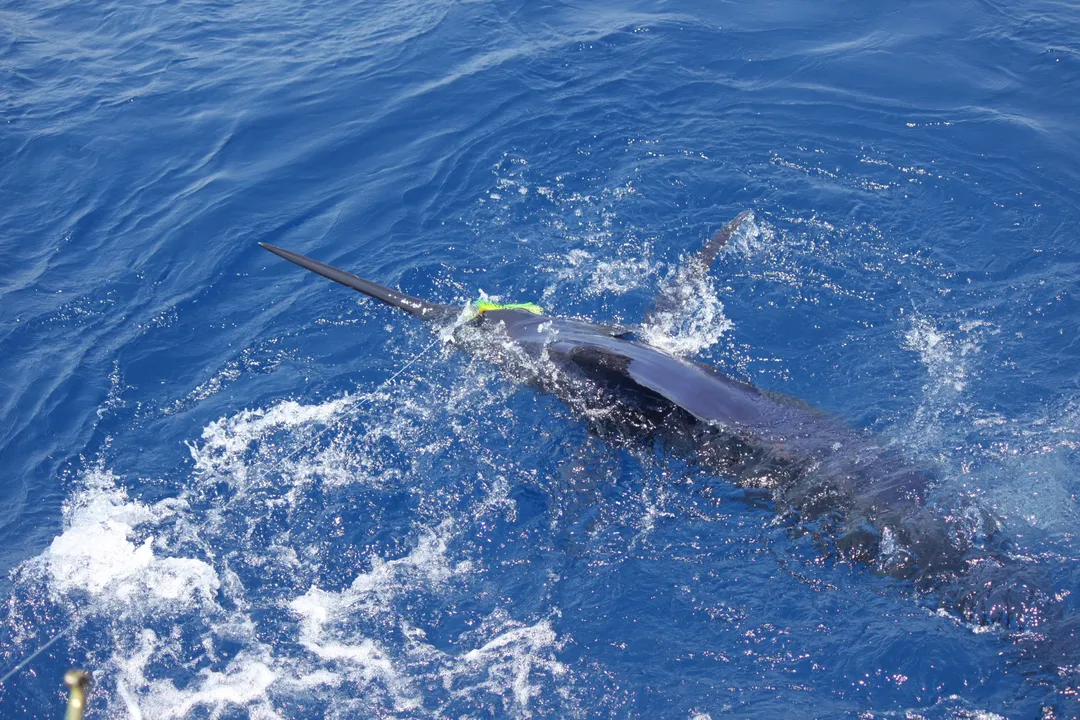
While both species are highly sought-after, their habitat preferences offer a subtle but important distinction for location selection. A common point of confusion for newer anglers is differentiating between a good blue marlin spot and a good white marlin spot. [7]
Blue marlin generally prefer warmer waters and tend to stay further offshore, closer to the main axis of the Gulf Stream or deeper oceanic features. [7] White marlin, on the other hand, frequently patrol the waters over the continental shelf break or near the transition zones, often remaining closer to the coast than their blue counterparts. [7][2] In areas where both species exist, like the canyons off the East Coast, finding the right thermal layer often separates the two species in the water column and location. [7] For instance, if you are consistently marking fish deep over a canyon wall in slightly cooler water, you are likely in prime white marlin territory, whereas moving further east into the core Gulf Stream might bring more blue marlin encounters. [7]
# Following the Migration Path
White marlin are migratory, constantly moving to find optimal feeding conditions. While the specific timing is driven by local oceanographic conditions, general patterns exist. [2]
# Northward Push
As spring gives way to summer in the Atlantic, water temperatures along the US East Coast become favorable, triggering a significant northward migration. [5] This influx peaks during the height of the summer season, making areas like the previously mentioned Maryland and New Jersey canyons magnets for both the fish and the sport-fishing fleet. [3][6]
# Seasonal Retreat
As the Northeast cools in the fall, the fish begin their southward retreat. Anglers in the Carolinas and further south often see a second, smaller peak in activity as these fish move back into their wintering grounds along the subtropics. [2] Successful year-round targeting, therefore, requires tracking the 75-degree Fahrenheit isotherm as it moves north and south along the coast. [5]
One interesting observation across various billfish species, including the white marlin, is the importance of structure combined with current seams. It is often not just the depth or the temperature, but the confluence of these factors against a hard bottom feature—like a wreck, ledge, or canyon head—that causes bait to pile up, creating a brief, high-value feeding opportunity that can last only a few days before the fish move on. [6] This fleeting nature emphasizes why local knowledge, often shared through fishing reports or community groups, can be as valuable as a nautical chart. [8]
# Tournament Influence on Location Perception
The high visibility of major fishing events like the White Marlin Open in Ocean City heavily influences the perceived location importance for this species. [3] While these tournaments highlight an area during a specific, brief window (usually late July/early August), they solidify that region's reputation as a place where large numbers of white marlin are statistically likely to be present and catchable under tournament rules. [3]
The tournament rules themselves sometimes dictate location choices; for instance, rules might specify trolling areas or mandatory check-in points, which guides the entire fleet to concentrate their efforts over a smaller geographic area during those specific competition days. [3] While this concentrates the action, it also confirms that the base population is available nearby. [3]
In comparison to the intense, localized focus of the Mid-Atlantic summer run, other prime spots, perhaps in the Bahamas or the Gulf of Mexico, might host equally healthy populations but receive less global attention unless a major tournament is established there. [4] Fishing destinations are often defined as much by the events they host as by the inherent quality of their natural habitat. [4]
If one were to compare the targeting strategy between a known canyon system and a more remote offshore structure, the canyon often requires a search pattern focusing on structure interaction (trolling parallel to depth changes), whereas a remote seamount might demand a more patient, stationary approach, waiting for the migratory path to cross the known elevation change. [6] The ability to quickly shift strategy based on the location type—canyon versus open water feature—is a mark of a seasoned billfish angler. [5]
Related Questions
#Citations
Top 10 hot spots for white marlin
White marlin - Wikipedia
White Marlin Open: August 3rd-8th in OCMD!
10 Best Billfish Destinations - Marlin Magazine
White Marlin Fishing Guide 2025 | Fish Nation
Critical Habitat of White Marlin (North Atlantic) - BigMarineFish.com
Blue Marlin vs. White Marlin: All You Need to Know - Fishing Booker
Where do they fish for the White Marlin Open? - Facebook