What types of genetic markers are researchers analyzing to map divergence times in *Xerus*?
Answer
Mitochondrial DNA and various nuclear genes
Phylogenetic research aimed at determining the evolutionary history, divergence times, and ancestral relationships within the *Xerus* genus and the broader Xerinae group heavily relies on molecular data derived from genetic sequences. The primary markers utilized for this purpose include mitochondrial DNA (mtDNA), which is maternally inherited and evolves relatively quickly, providing good resolution for recent divergences, and various nuclear genes, which offer complementary data from different parts of the genome. Combining these two sources helps create a robust evolutionary map linking genetic splits to geological or climatic events.
Related Questions
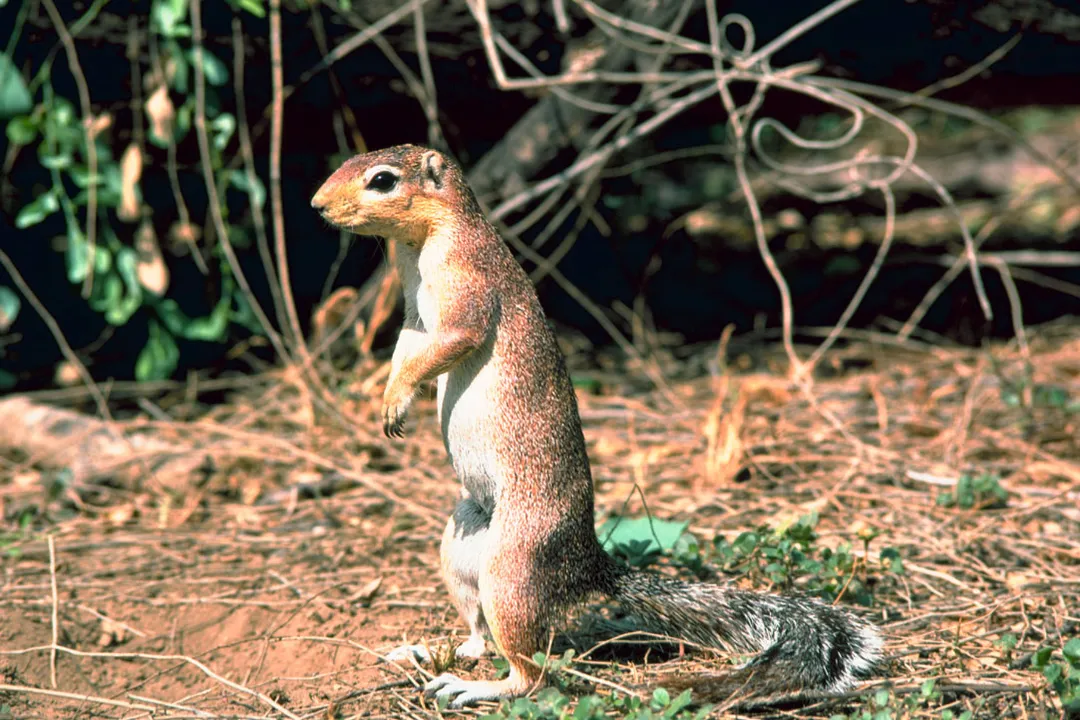
To which family and subfamily do the diurnal rodents of the genus *Xerus* belong?What types of genetic markers are researchers analyzing to map divergence times in *Xerus*?What major environmental factor is strongly suggested to have shaped the current biogeographic patterns of *Xerus*?What constitutes the primary component of the omnivorous diet for *Xerus rutilus*?What primary activity is demonstrated when *Xerus rutilus* stands upright on its hind legs?What subtle conflict in evolutionary theory might emerge when comparing *Xerus* body size trends across hotter niches?What critical refuge mechanism do diurnal *Xerus rutilus* use against extreme temperatures?Evolutionary models demonstrate that phylogenetic splits in *Xerus* often correlate with what type of event?Understanding the historical role of aridification in *Xerus* helps researchers predict what regarding modern warming?Predation pressure is suggested as a strong, ongoing selective force shaping what aspect of *Xerus rutilus*?