Evolutionary models demonstrate that phylogenetic splits in *Xerus* often correlate with what type of event?
Answer
Significant environmental changes creating geographical barriers
The pattern observed in the evolutionary history of *Xerus* strongly suggests that speciation and diversification events are closely timed with major fluctuations in the environment. Specifically, when climatic shifts occur, such as increased aridity, these changes can lead to the physical fragmentation of previously continuous habitats. These resulting geographical barriers interrupt gene flow between populations, leading directly to phylogenetic splits and the evolution of new species or subspecies, illustrating a deep connection between historical biogeography and evolutionary divergence.
Related Questions
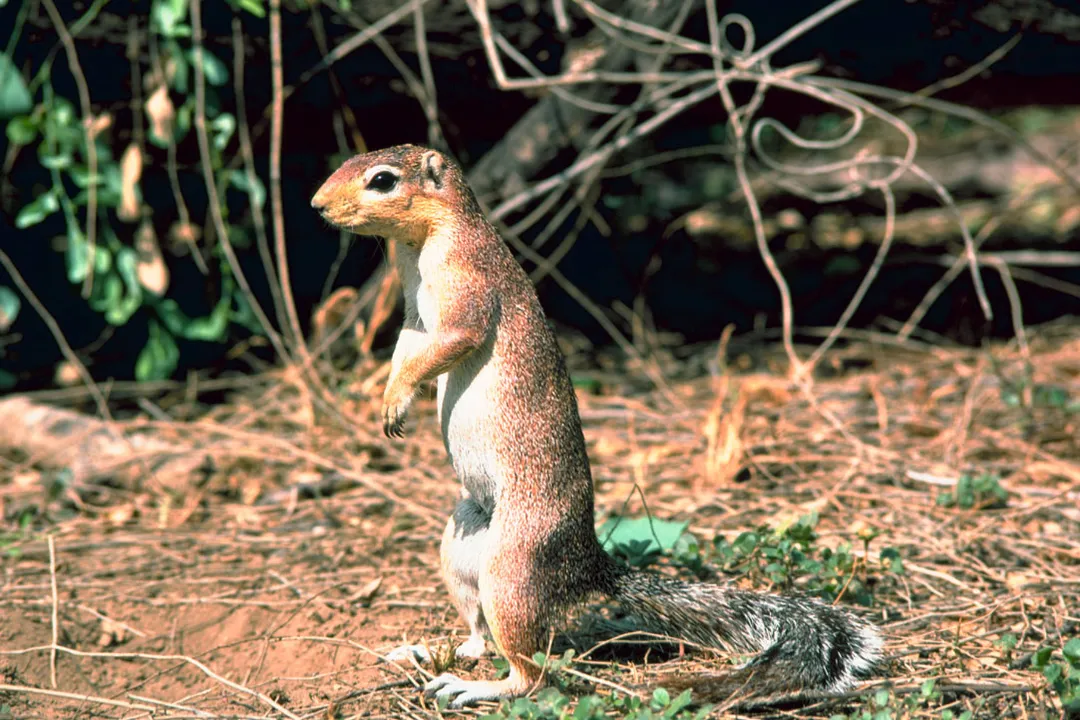
To which family and subfamily do the diurnal rodents of the genus *Xerus* belong?What types of genetic markers are researchers analyzing to map divergence times in *Xerus*?What major environmental factor is strongly suggested to have shaped the current biogeographic patterns of *Xerus*?What constitutes the primary component of the omnivorous diet for *Xerus rutilus*?What primary activity is demonstrated when *Xerus rutilus* stands upright on its hind legs?What subtle conflict in evolutionary theory might emerge when comparing *Xerus* body size trends across hotter niches?What critical refuge mechanism do diurnal *Xerus rutilus* use against extreme temperatures?Evolutionary models demonstrate that phylogenetic splits in *Xerus* often correlate with what type of event?Understanding the historical role of aridification in *Xerus* helps researchers predict what regarding modern warming?Predation pressure is suggested as a strong, ongoing selective force shaping what aspect of *Xerus rutilus*?