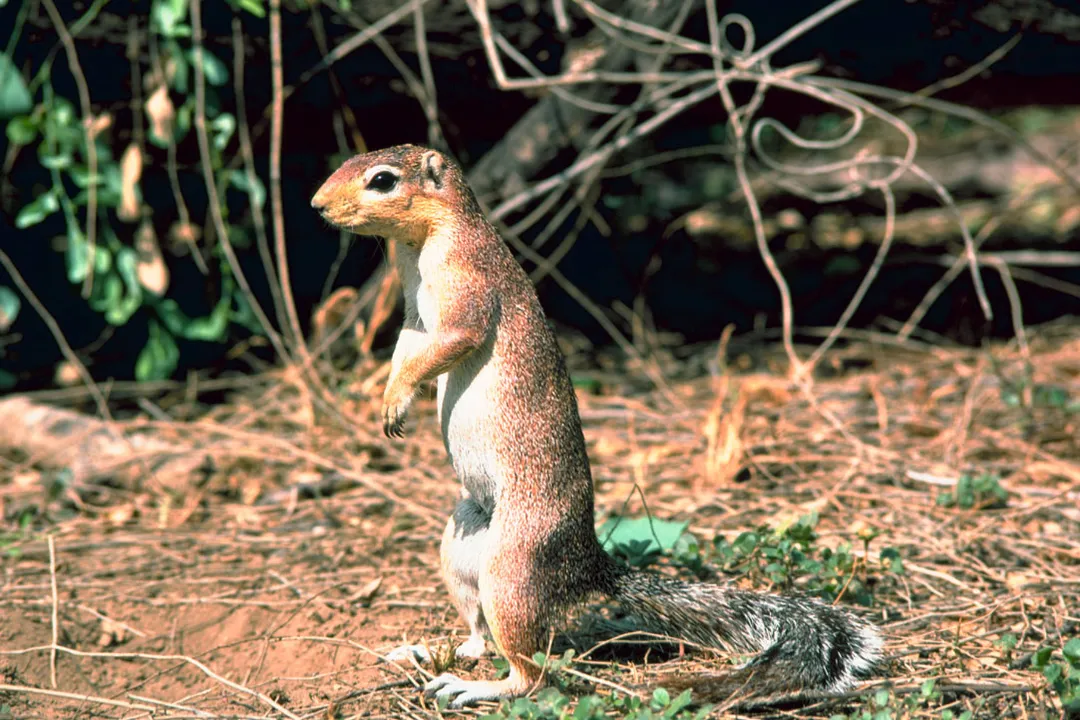
What subtle conflict in evolutionary theory might emerge when comparing *Xerus* body size trends across hotter niches?
Balancing heat dissipation needs against water conservation requirements
When examining body size evolution within the *Xerus* clade across environments that are increasingly hot and dry, a theoretical conflict arises concerning physiological demands. On one hand, larger body size (lower surface-area-to-volume ratio) is generally advantageous in extreme heat because it aids in water storage and thermal inertia, slowing down internal temperature rises. Conversely, in intensely sun-exposed, arid locations, a higher surface-area-to-volume ratio (smaller body size) facilitates faster cooling by increasing heat exchange with the environment. Therefore, the actual evolutionary outcome across the genus represents a finely tuned compromise between the need to conserve precious water and the need to effectively dissipate unavoidable environmental heat.