Understanding the historical role of aridification in *Xerus* helps researchers predict what regarding modern warming?
Answer
Effects on dispersal corridors or population viability
Because the evolution and distribution of the *Xerus* genus have been fundamentally molded by past aridification events, studying these historical processes provides essential comparative data for contemporary issues. Researchers can use the established links between past climate stress, habitat modification, and successful adaptation to model future scenarios. This historical context aids in predicting how current, rapid global warming trends might impact the ability of *Xerus* populations to maintain connectivity across fragmented landscapes (dispersal corridors) and ultimately influence their long-term survival prospects (population viability).
Related Questions
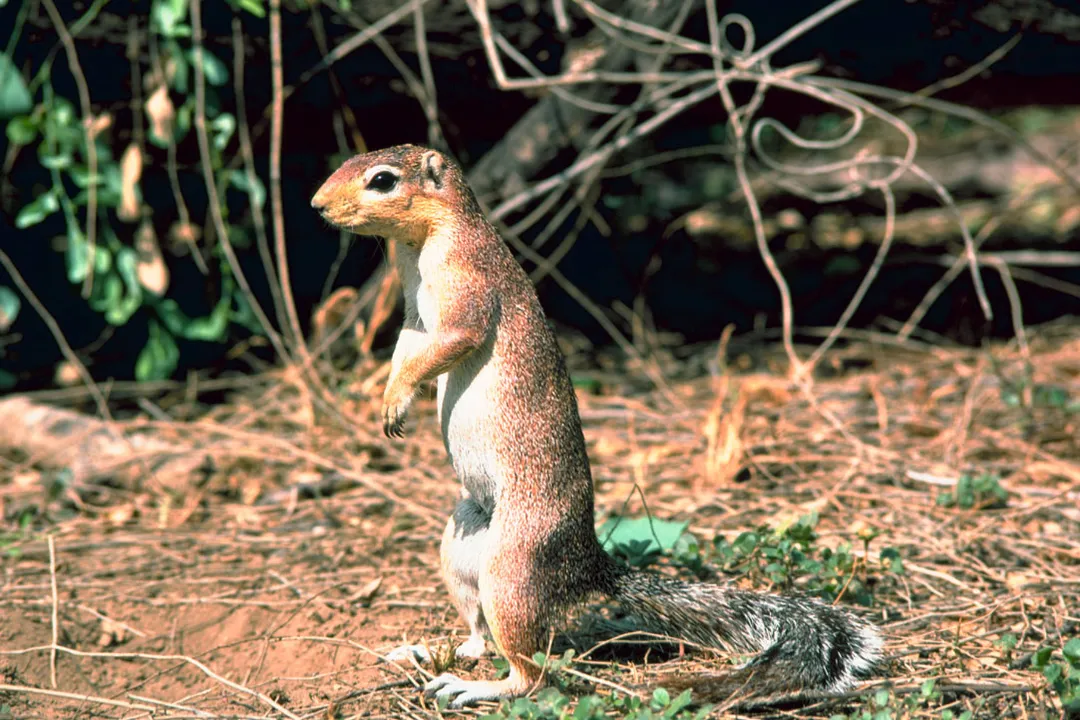
To which family and subfamily do the diurnal rodents of the genus *Xerus* belong?What types of genetic markers are researchers analyzing to map divergence times in *Xerus*?What major environmental factor is strongly suggested to have shaped the current biogeographic patterns of *Xerus*?What constitutes the primary component of the omnivorous diet for *Xerus rutilus*?What primary activity is demonstrated when *Xerus rutilus* stands upright on its hind legs?What subtle conflict in evolutionary theory might emerge when comparing *Xerus* body size trends across hotter niches?What critical refuge mechanism do diurnal *Xerus rutilus* use against extreme temperatures?Evolutionary models demonstrate that phylogenetic splits in *Xerus* often correlate with what type of event?Understanding the historical role of aridification in *Xerus* helps researchers predict what regarding modern warming?Predation pressure is suggested as a strong, ongoing selective force shaping what aspect of *Xerus rutilus*?