What two critical elements do dense streamside vegetation and understory provide for the Willow Flycatcher's diet?
Answer
Safe, low perches and dense array where slow-moving prey resides.
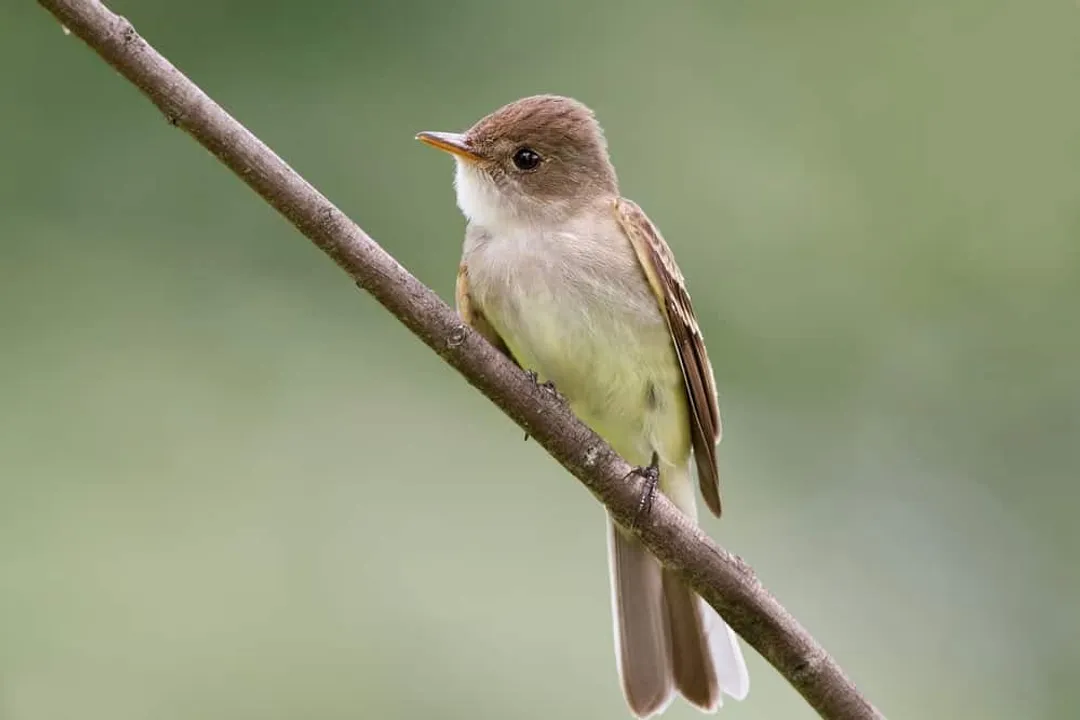
The specialized habitat requirements of the Willow Flycatcher are directly tied to its feeding strategy. Dense, healthy riparian zones featuring shrubs like willows and alders offer safe, low perches necessary for their classic hunting style, allowing them to scan the immediate surroundings effectively. Furthermore, this dense array of foliage creates the microhabitat where their crucial, slow-moving prey—such as caterpillars and resting spiders—reside, directly translating healthy plant structure into available insect food resources.
Related Questions
What insect order constitutes the single largest category delivered to Willow Flycatcher nestlings?What is the rapid flight maneuver used by Willow Flycatchers to intercept airborne prey called?Which arthropod classification, Araneae, represents a consistent, non-insect food source for the Willow Flycatcher?Why do adult Willow Flycatchers avoid feeding large, heavily armored beetles to chicks?What does the presence or absence of the insectivorous Willow Flycatcher indicate about a habitat patch?What foraging action involves flying briefly to pluck a stationary insect off a leaf surface?What dietary shift occurs during the peak nestling period due to chick digestive needs?What two critical elements do dense streamside vegetation and understory provide for the Willow Flycatcher's diet?Which insect order is frequently cited as a major dietary component besides Lepidoptera larvae?How does the diet likely change when the Willow Flycatcher is migrating south?