What is the best diet for pugs?

The primary focus when choosing what to feed your Pug revolves heavily around managing their weight, addressing their unique physical structure, and supporting common breed-related health concerns like skin fold infections and joint wear. Because Pugs are a brachycephalic breed, they sometimes eat quickly, which can lead to ingesting excess air, and their short muzzles can make chewing certain kibbles difficult. [1] Ensuring they receive high-quality nutrition is not just about filling their bowl; it’s about proactively managing the predispositions that come with their charming, compact body. [6]
# Weight Control
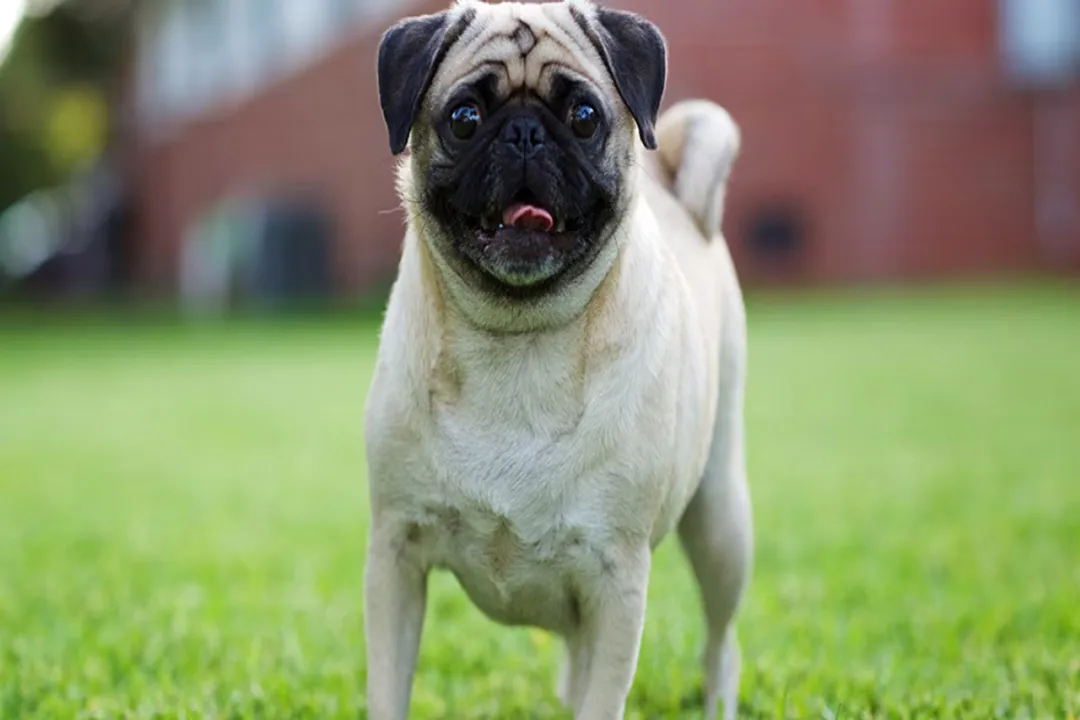
The tendency for Pugs to gain weight easily is perhaps the most critical dietary consideration for owners. [1][2] This predisposition is largely due to their low-energy requirements combined with an appetite that often seems insatiable. [1] Managing this requires strict portion control and selecting foods that promote satiety without excessive calories. The goal isn't just visual—keeping your Pug lean is essential for reducing strain on their spine and joints, which can already be susceptible to issues. [1]
When assessing your Pug’s body condition, look past the wrinkles and focus on their shape. You should be able to easily feel their ribs without having to press hard, and when viewed from above, your dog should display a noticeable waist tuck behind the ribs, rather than a continuous barrel shape. [1] If you are feeding a measured amount, but they still seem perpetually hungry, the next step is adjusting the type of food to maximize fullness per calorie. For instance, focusing on foods with a higher density of fiber can help them feel satisfied longer, making strict adherence to feeding schedules easier. [1]
# Nutrient Balance
A well-balanced Pug diet needs to hit specific marks regarding macronutrients to support their muscular build and moderate energy levels. The cornerstone of this balance is high-quality protein, which is necessary for maintaining muscle mass, especially as they age. [1] Look for identifiable meat sources listed first on the ingredient panel, whether you opt for commercial dry food, wet food, or a raw preparation. [2][3]
Fats must be carefully managed. While Pugs do need essential fatty acids for skin and coat health—a major consideration given their skin folds—the overall fat content of the diet needs to be kept moderate to prevent excessive calorie intake. [6] Conversely, carbohydrates, while a source of energy, should not dominate the diet. Sources like whole grains or vegetables provide necessary energy and fiber, but overly processed fillers should be avoided, as they offer less nutritional density. [3]
If you are comparing two high-quality dry foods, one might have $16%$ crude fat while the other has $14%$. While that two-percentage point difference seems minor, for a 15-pound dog on a fixed daily intake, that difference translates to roughly 10 extra calories per day from fat alone—enough to contribute significantly to weight gain over months if not accounted for. [1] This granular look at the guaranteed analysis helps owners move beyond simply choosing the "best" brand name to selecting the formula that perfectly matches their individual dog’s energy output.
# Age Stages
Nutritional requirements shift significantly throughout a Pug’s life, demanding adjustments in feeding frequency, caloric density, and specific nutrient profiles. [6]
# Puppies
Pug puppies have enormous growth demands and require a diet formulated specifically for small breed puppies, which is typically more calorically dense to fuel rapid development. [6] They need more frequent meals, often three or four times a day, to maintain stable energy levels and prevent hypoglycemia, a risk in very small breeds. [6] Focus on foods that support bone development and brain function during this critical phase.
# Adults
Once maturity is reached, usually around one year, the transition to an adult formula is necessary. [6] For the average companion Pug, meals are generally reduced to twice daily. [6] This is the stage where diligent weight management begins in earnest, as their metabolism starts to slow down compared to their puppy days. [1]
# Seniors
Senior Pugs, typically over seven or eight years old, often have less overall activity and a slower metabolism still. [6] Their diet should generally be adjusted to be slightly lower in calories but often needs increased support for aging joints and kidneys. [1][6] Ingredients like glucosamine and chondroitin become even more important here, potentially in higher concentrations than found in standard adult maintenance foods. [1]
# Diet Forms
The "best" food is less about the form it takes and more about the quality of the ingredients within that form, though the form can impact convenience and palatability. [3]
# Dry Kibble
Kibble remains the most common and convenient choice. [3] When selecting kibble, look for formulas that are small enough for their flat faces to manage comfortably. [1] Specialty Pug formulas often tailor the kibble shape to accommodate their brachycephalic structure, preventing them from just swallowing the pieces whole. [7] A major benefit of dry food is that the scraping action of chewing can help with dental health, an area where Pugs are often susceptible to problems due to overcrowding of teeth. [3]
# Wet and Raw Options
Wet food can be appealing for picky eaters or senior dogs with dental sensitivity, but it is typically more expensive and offers less mechanical cleaning action than kibble. [3] Raw feeding has gained traction, with proponents suggesting it mirrors ancestral diets and can lead to shinier coats and better stools. [2] However, raw feeding requires significant owner commitment to ensure complete nutritional balance, proper handling to prevent pathogen contamination, and often requires careful calculation of protein, bone, and organ ratios. [2] If an owner cannot commit to the strict safety and balancing protocols required for raw, a high-quality, species-appropriate commercial diet is the safer alternative. [2][3] If you choose to feed a raw diet, you must consult with a veterinary nutritionist to ensure you meet all the Pug's needs without relying on commercial "complete and balanced" guarantees that may not apply to homemade preparations. [2]

# Skin Joints
Beyond basic energy and maintenance nutrients, Pugs require targeted support for two areas that frequently cause owners concern: their skin and their joints. [6]
The deep wrinkles and skin folds that define the breed are prime environments for moisture retention and bacterial or yeast growth, leading to dermatitis. [6] Diet plays a secondary but important role here. Ensuring adequate intake of Omega-3 and Omega-6 fatty acids, often found in fish oils, can help maintain a healthy skin barrier and reduce generalized inflammation. [6] This dietary support works alongside diligent cleaning and drying of the folds. [6]
As mentioned previously, joint health is non-negotiable for this breed. [1] Because Pugs are small but sturdy, their joints, particularly hips and knees (like patellar luxation), bear significant weight relative to their size. [1] Look for supplemental inclusion of Glucosamine and Chondroitin Sulfate in their primary food or as separate supplements added to their meals. [1][6] Maintaining an ideal lean body weight, as detailed earlier, is the single most effective way to reduce long-term joint stress, acting as a non-ingestible supplement. [1]
# Feeding Routine
Establishing a predictable and consistent feeding routine is just as important as what you put in the bowl, especially for managing the Pug’s assertive desire for food. [1]
- Measure Accurately: Never free-feed. Always use a proper measuring cup or scale to dispense the exact amount recommended by the food manufacturer for your dog’s current weight and activity level, and then adjust based on body condition. [1]
- Slow the Pace: Pugs are famous for inhaling their food. [1] Using a slow-feeder bowl or a puzzle toy can significantly slow down mealtime. This not only aids digestion by reducing swallowed air but also provides mental stimulation, turning a two-minute meal into a ten-minute activity. [1]
- Limit Treats: Treats should make up no more than 10% of your Pug’s total daily caloric intake. [1] If you are training or rewarding frequently, choose low-calorie options like small pieces of carrot or commercially available dental chews, rather than calorie-dense biscuits. If your Pug is struggling to lose weight, temporarily switch high-calorie treats to vegetable alternatives to see if the extra calories are coming from snacks rather than the main meal. [1]
By focusing on quality ingredients that support lean muscle, managing portion sizes to combat their inherent tendency toward obesity, and ensuring key nutrients support their joints and skin, you can tailor a diet that helps your Pug live a long, healthy life despite their structural quirks.
#Videos
What Pugs Can and Can't Eat? | Guide to Pug Diet and Food Habits
Related Questions
#Citations
Pug Feeding Guidelines| The Best Food for a Healthy Pug Dog
What's the Best Dog Food for a Pug? - ProDog Raw
What to Feed Your Pug - Aparn
What is the best dog food for a pug? - Reddit
Pug Dog Breed Information | Purina US
What to Feed Your Pug: Nutrition for Pugs in All Lifestages - Vetic
Pug Adult Dry Dog Food | Royal Canin US
Best Food For Pugs With Sensitive Stomachs - Petworks
What Pugs Can and Can't Eat? | Guide to Pug Diet and Food Habits
Dog food for pugs, similar to Blue Buffalo - Facebook