Vermilion Flycatcher Diet
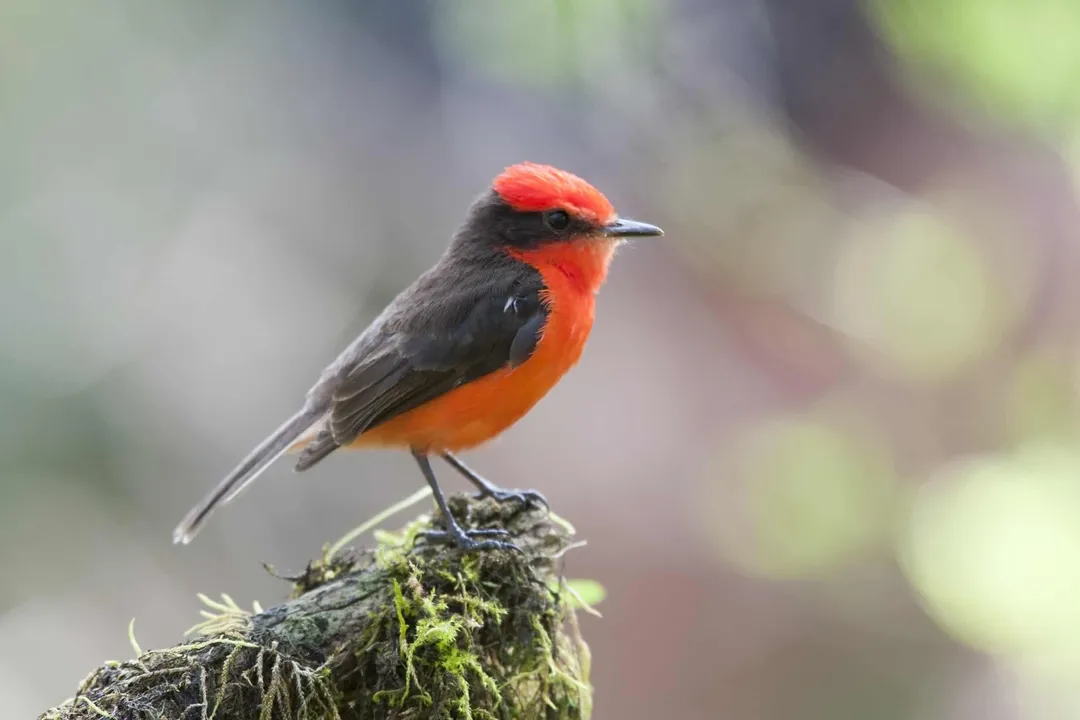
The bright flash of red against the arid landscape or along a brushy streamside instantly identifies the male Vermilion Flycatcher, a stunning jewel of the Americas. While their vivid appearance often captures the attention of birders, understanding what sustains this fiery bird—its diet—reveals much about its behavior, habitat preferences, and role within its ecosystem. As members of the Tyrannidae family, these birds are aptly named; their feeding habits are characteristic of flycatchers, relying heavily on aerial interception of insects, though their foraging style displays interesting variation across their range. [2][1]
# Primary Prey
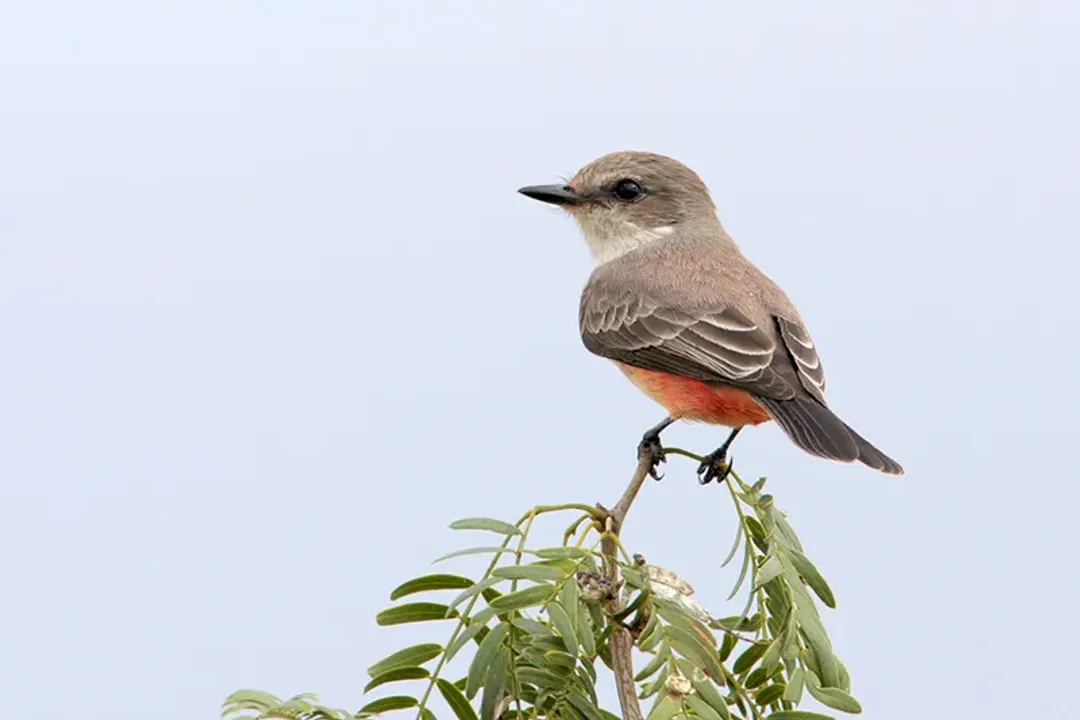
At its foundation, the Vermilion Flycatcher is an insectivore. [6][3] Their diet consists almost entirely of arthropods, making them vital regulators of local insect populations. [2] The exact composition of this insect menu shifts depending on geography, season, and what is most immediately available, but certain categories form the backbone of their sustenance. [10] Larger insects, such as grasshoppers, beetles, and wasps, feature prominently when they are abundant. [2][10] These substantial meals provide the necessary energy for their active lifestyle and, for the males, the elaborate courtship displays that require significant caloric output. [2]
Smaller invertebrates are also regularly consumed, especially when larger prey is scarce or when feeding nestlings. This category includes true flies (Diptera), ants, bees, and caterpillars. [10][1] Observations suggest that prey items are generally selected based on size; adults often target insects larger than about one-tenth of an inch. [2] This preference for sizable prey is likely linked to maximizing energy return for the effort expended in hunting.
# Hunting Strategy
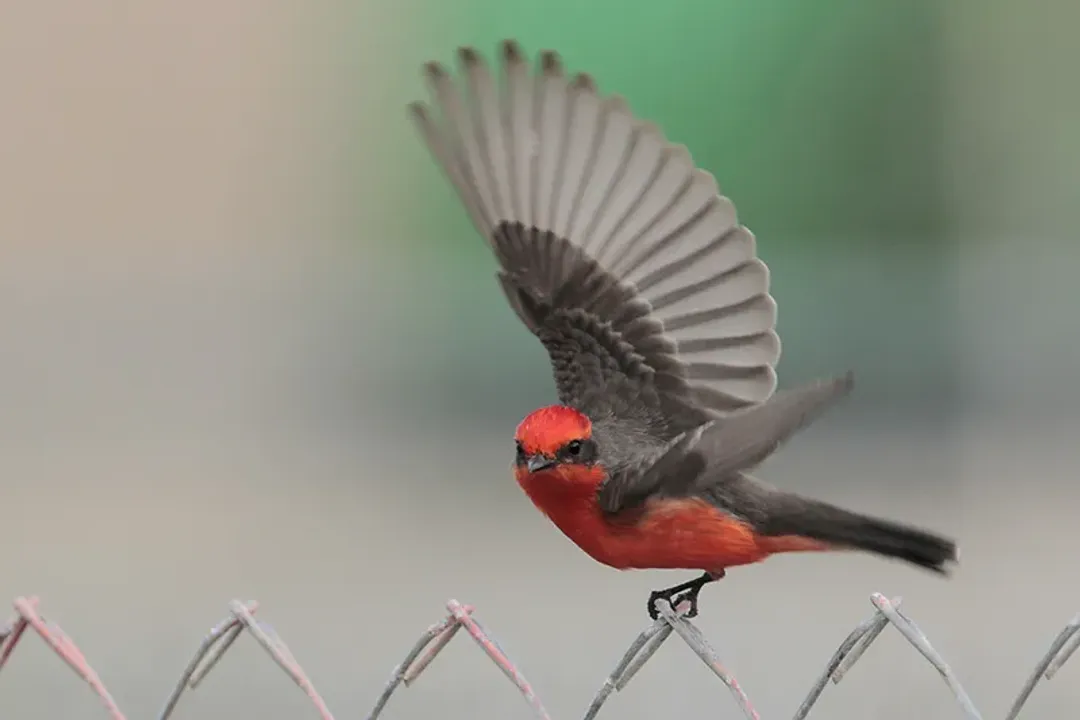
The hunting technique employed by the Vermilion Flycatcher is classic "flycatching," a behavior that requires exceptional aerial agility and keen eyesight. [2] They typically locate themselves on an exposed perch—perhaps a low snag, a fence post, or a prominent branch—often positioned above open ground or near water sources where insects are easily spotted. [1][6] From this vantage point, the bird waits patiently, scanning the air and the ground below. [2]
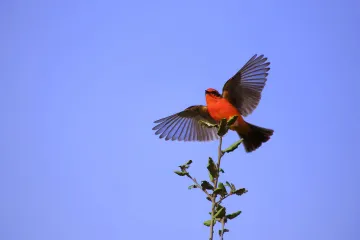
When a suitable target is sighted, the flycatcher executes a short, rapid burst of flight, known as a sally, to intercept the insect. [2] This might be an aerial catch made mid-air, or they may briefly land on the ground or a leaf to pick up a crawling insect before returning immediately to their original perch or a nearby one. [10][6] This maneuver is often quick and precise, a defining characteristic of their foraging expertise. [2]
Consider the male, whose conspicuous red plumage makes him an easy target for predators. His success as a hunter must be exceptionally efficient to offset the risk associated with his conspicuousness. The speed and accuracy required for a successful sally—sometimes involving sharp turns to track evasive prey—are adaptations that pay dividends, not just in survival, but in reproductive success, as a well-fed male can better court and provision a female. [2] This necessity for high-value, quick captures likely explains the preference for relatively large insects over a constant stream of tiny gnats.
# Seasonal Shifts and Habitat Links
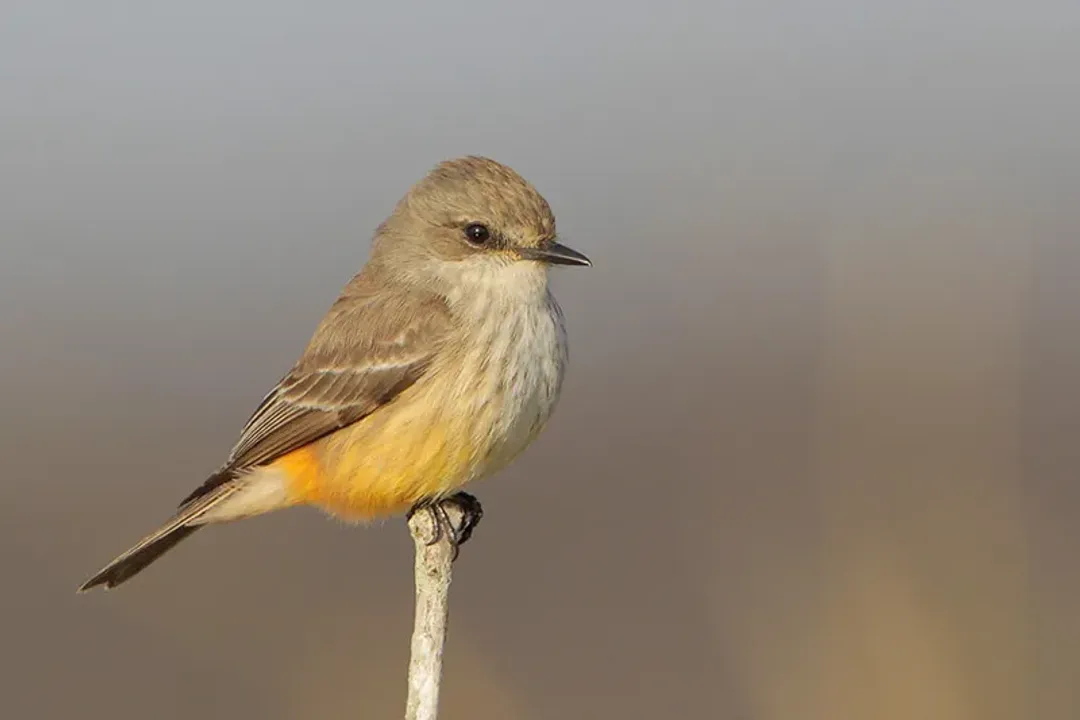
The diet is not static throughout the year; it undergoes noticeable adjustments corresponding to seasonal availability and the specific needs of breeding versus non-breeding periods. [10] During the peak summer months, particularly in the northern reaches of their breeding range, flying insects like flying ants, dragonflies, and other abundant summer arthropods dominate the menu. [2][1] In desert or semi-arid environments, which comprise much of their habitat, the availability of these insects is directly tied to rainfall and temperature cycles. [7]
When the flycatchers migrate south for the winter or remain in tropical, non-migratory populations, the insect fauna they encounter changes. [10] While insects remain the staple, they may increasingly rely on spiders, which are less mobile but still high in protein, or perhaps supplement with small berries or fruit when insect density drops significantly. [10][3] Although primarily insectivorous, the consumption of small fruits or berries, especially during lean winter months, has been documented, offering a necessary carbohydrate boost when insect protein is harder to secure. [3][10]
# Feeding Young
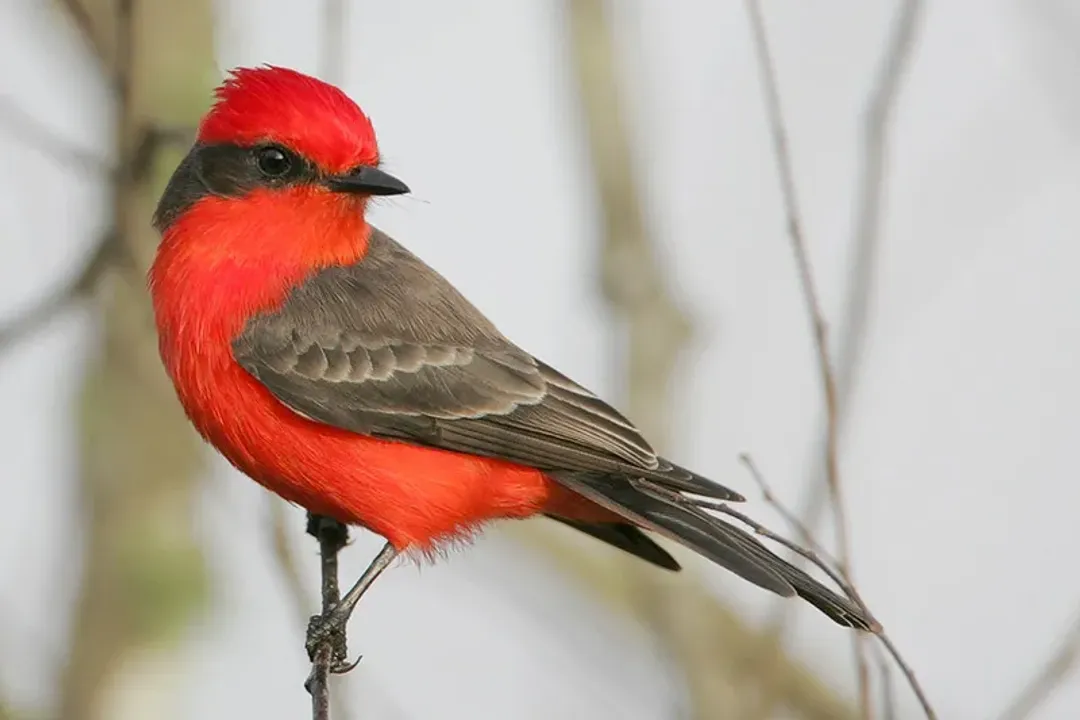
The provisioning of nestlings places immense demands on both parent birds, requiring a high volume of easily digestible, nutrient-dense food. [2] Unlike the adults who can afford to wait for a large beetle, the growing nestlings need frequent meals composed of smaller, softer invertebrates. [2] Parents focus on smaller flies, small caterpillars, and other soft-bodied larvae that can be easily manipulated and delivered to the gaping mouths of their young. [2] This shift towards smaller prey is an essential part of chick-rearing ecology, ensuring that the delivery rate remains high enough to fuel rapid growth without overburdening the parents with catching numerous large targets. [2]
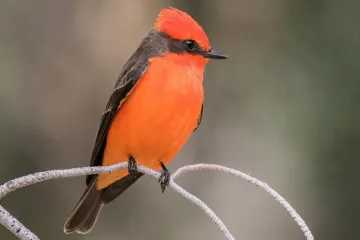
# Attracting Flycatchers
For bird enthusiasts hoping to observe or attract Vermilion Flycatchers to their property, understanding their specialized diet is crucial for successful feeding station setup. [9] Unlike many perching birds that readily accept seeds—sunflower seeds, thistle, or millet—the Vermilion Flycatcher simply ignores them. [9] Their bill structure is designed for snapping up insects in flight or gripping terrestrial arthropods, not cracking seeds. [1][4]
To appeal to them, one must provide what they naturally seek: insects. Mealworms, both live and dried, are frequently mentioned as a food item that Vermilion Flycatchers will accept, particularly when placed in a shallow dish or offered on a platform feeder rather than in a traditional tube feeder. [9] If attempting to provide live food, ensuring the mealworms are kept cool or refrigerated to slow their metabolism and keeping them damp can help maintain their appeal. [9]
It is important to note that even when offering mealworms, the flycatcher’s innate behavior dictates how they eat. They are far more likely to snatch a live or freshly presented mealworm from a tray—mimicking catching prey mid-air or on the ground—than to perch and consume it statically like a robin might. [8] For those observing in areas where they are year-round residents, ensuring a supply of water, perhaps with slight movement or dripping, can also indirectly benefit their diet by attracting the flying insects they target. [1] If local water sources dry up in arid habitats, the need for accessible insects becomes even more acute, and artificial provisioning of appropriate prey like dried mealworms becomes a genuine aid during stressful periods. [9] This calculated approach—providing protein-rich, appropriately presented insect food—moves beyond general bird feeding and into targeted habitat support for this specialized aerial predator.
# Comparative Feeding Habits
When comparing the Vermilion Flycatcher to other local insectivores, interesting distinctions arise. While many flycatchers engage in the sally-and-return method, the Vermilion Flycatcher is often noted for its conspicuous, relatively low-level hawking behavior. [2] Some other flycatchers might hunt higher in the canopy or specialize more heavily in ground gleaning. [2] In the arid Southwest, where they are common, they compete with other aerial insectivores, yet their reliance on exposed perches above open ground gives them a niche advantage for spotting larger, slower-moving ground insects like grasshoppers. [7] In contrast, a species that forages exclusively within dense foliage would miss these opportunities entirely. [2] This specialization within the general flycatcher template allows the Vermilion Flycatcher to exploit a specific ecological resource effectively across its diverse habitats, from riparian zones to desert edges. [1][6]
# Prey Size Dynamics
The relationship between the size of the prey item and the foraging success rate dictates much of the bird's daily routine. [2] Small insects like gnats are plentiful but offer poor energy return for the time and flight expenditure required to catch them. [2] Conversely, a large grasshopper provides significant energy but is harder to detect, catch, and subdue. [10] The bird’s observed diet reflects an optimization curve—they take the largest, most reliably available prey items encountered during their active hunting periods. [2] This balancing act—maximizing caloric intake while minimizing the risk of a failed hunt or a prolonged period exposed on a perch—is the daily calculation driving their feeding ecology. If data were collected showing the percentage of successful captures versus attempts, we would likely see a marked preference for targets where the probability of success is high enough to justify the pursuit, even if the target is relatively large. [2]
Related Questions
#Citations
Vermilion Flycatcher | Audubon Field Guide
Vermilion Flycatcher Life History
Pyrocephalus rubinus (vermilion flycatcher) | INFORMATION
Vermilion Flycatcher - Facts, Diet, Habitat & Pictures on ...
Vermillion flycatchers feeding habits in Imperial Valley ...
Vermilion Flycatcher Bird Facts - Pyrocephalus obscurus
Life history account for Vermilion Flycatcher
Vermilion Flycatcher | Bird Gallery
Mealworms Are for the Birds Vermilion Flycatcher
Diet and Foraging - Vermilion Flycatcher