What does the presence or absence of the insectivorous Willow Flycatcher indicate about a habitat patch?
Answer
Local insect biomass and diversity
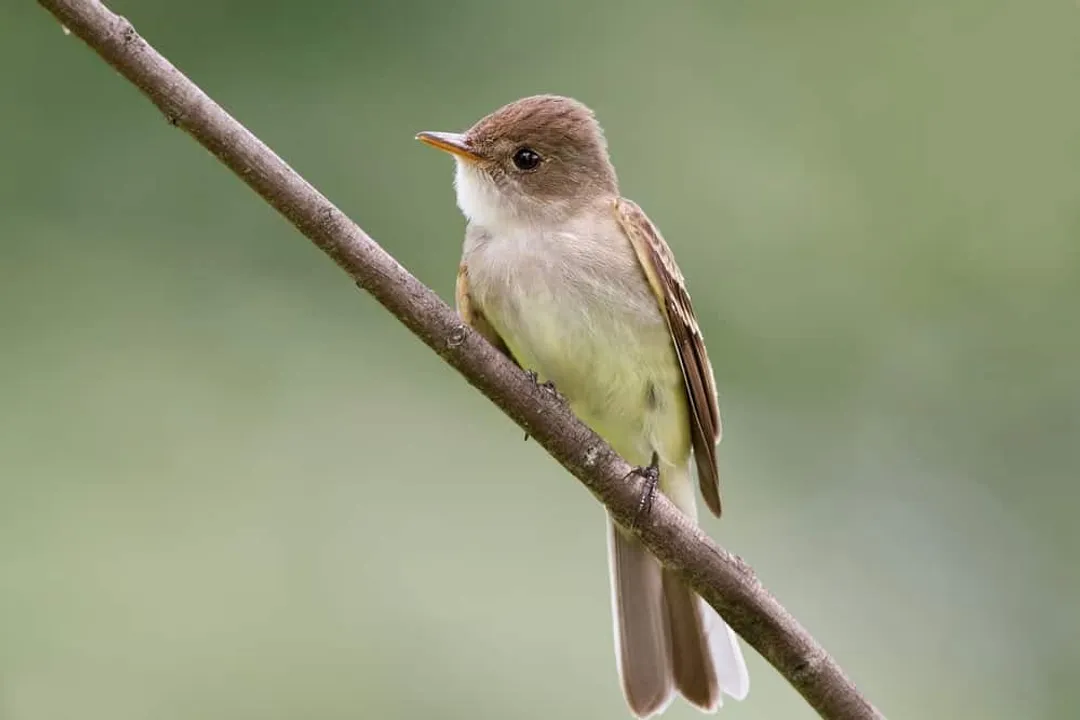
Because the Willow Flycatcher sustains itself almost exclusively on aerial and foliage-dwelling invertebrates, its status as a resident or absent species within a particular area serves as a direct and sensitive indicator of the surrounding ecosystem health. Specifically, the presence of these insectivores suggests a sufficient local insect biomass and diversity capable of supporting their hunting success. Conversely, if the insect population declines due to habitat degradation or environmental changes, the flycatcher population will likely disappear as their fundamental energy source becomes unavailable.
Related Questions
What insect order constitutes the single largest category delivered to Willow Flycatcher nestlings?What is the rapid flight maneuver used by Willow Flycatchers to intercept airborne prey called?Which arthropod classification, Araneae, represents a consistent, non-insect food source for the Willow Flycatcher?Why do adult Willow Flycatchers avoid feeding large, heavily armored beetles to chicks?What does the presence or absence of the insectivorous Willow Flycatcher indicate about a habitat patch?What foraging action involves flying briefly to pluck a stationary insect off a leaf surface?What dietary shift occurs during the peak nestling period due to chick digestive needs?What two critical elements do dense streamside vegetation and understory provide for the Willow Flycatcher's diet?Which insect order is frequently cited as a major dietary component besides Lepidoptera larvae?How does the diet likely change when the Willow Flycatcher is migrating south?