What tidal condition maximizes Whimbrel foraging success on coastal mudflats?
Answer
Low tide exposes the substrate for probing
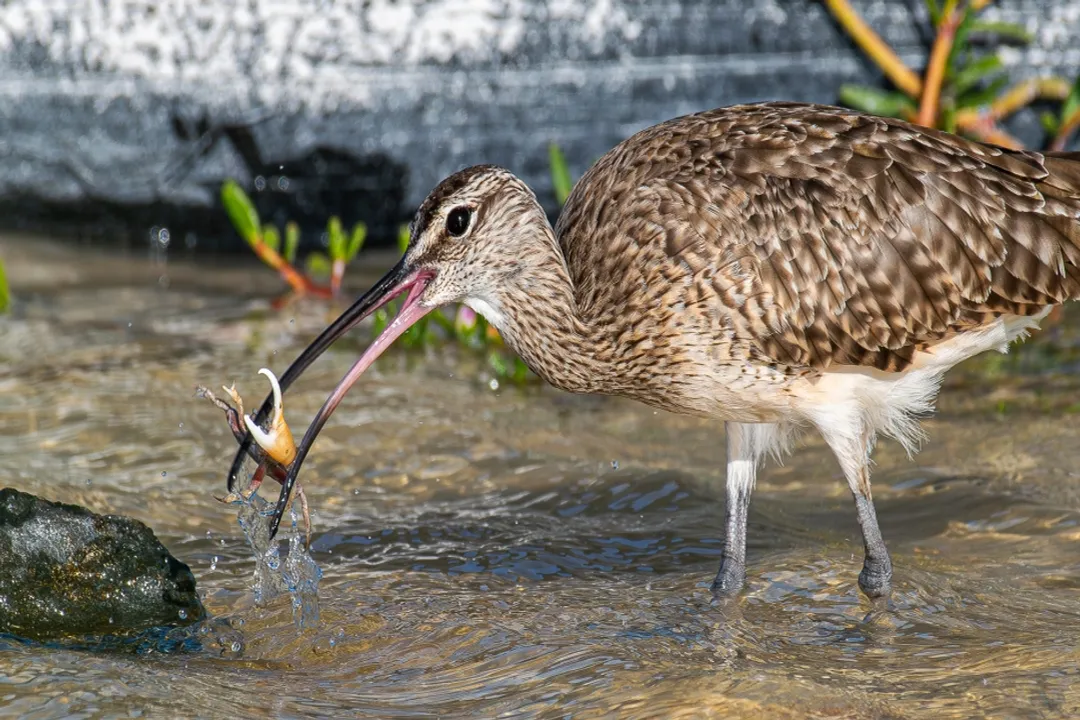
For coastal observations, the state of the tide is the single most important factor dictating where Whimbrels will be actively feeding. These birds rely on their long bills to probe deeply into the substrate to access buried prey, which includes various invertebrates. This feeding strategy is only possible when the water has receded sufficiently. Therefore, low tide is the essential cue, as it exposes the vast expanses of mudflats and sandy beaches, providing maximum access to the rich, invertebrate-laden substrate left behind by the receding water. When the tide is high, the birds are pushed into less predictable roosting areas, often moving them out of prime viewing range.
Related Questions
What feature accentuates the Whimbrel's long, decurved bill?What specific Whimbrel type do many North American birders observe?Where are the Whimbrel breeding territories typically situated?Besides coastal mudflats, what inland habitats do migrating Whimbrels frequent?Where is the majority of the Whimbrel population located for the non-breeding season?When does the fall migration often see larger concentrations of Whimbrels on the New England coast?What tidal condition maximizes Whimbrel foraging success on coastal mudflats?In Wisconsin, during which month does the Whimbrel typically appear during the spring northward push?What gives the Whimbrel's brown-gray back feathers a scaled appearance?What feature is a hallmark for identifying the Whimbrel's head pattern?What factor appears more critical than proximity to the open ocean for inland stopovers?