Where are geese located in the US?
The presence of geese across the United States is a widespread phenomenon, particularly concerning the ubiquitous Canada Goose. Pinpointing their location isn't a single answer, as their distribution is dramatically shaped by migratory cycles, regional habitat availability, and a notable recent shift toward year-round residency in many areas. [5] To truly understand where these birds are, one must first distinguish between the migratory flocks that traverse the continent and the established populations that call specific locales home throughout the year. [4]
# Continental Distribution
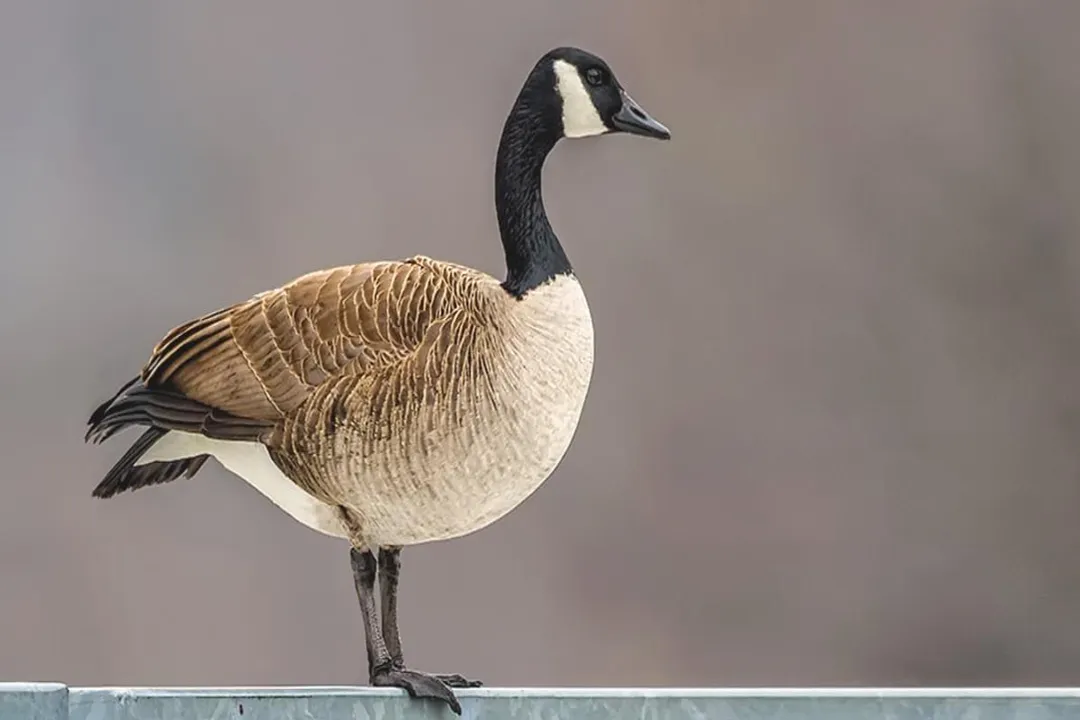
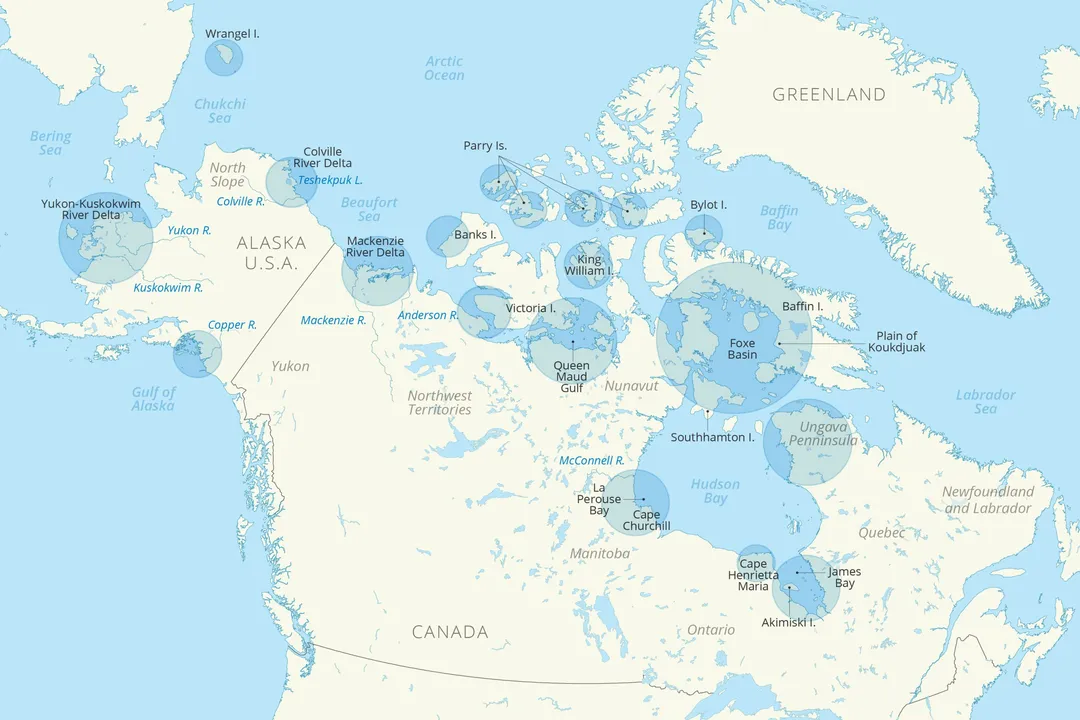
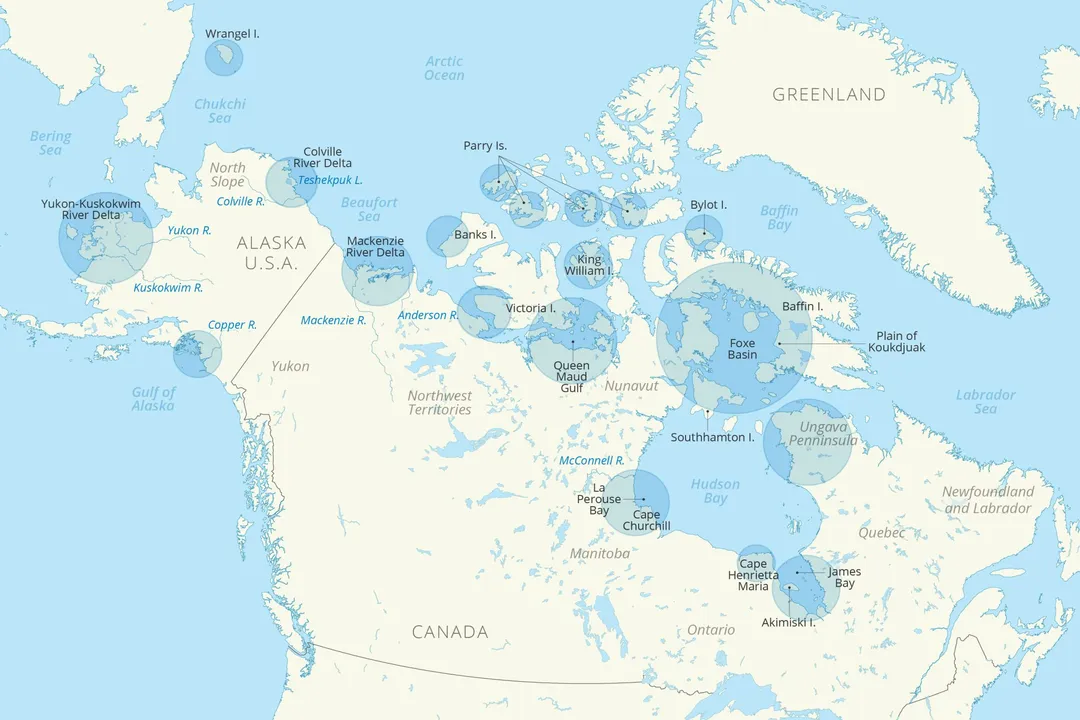
The Canada Goose boasts an enormous geographic range spanning the North American continent. Historically, their breeding grounds were largely confined to the far northern reaches, including the Arctic regions. [4] From these remote nesting sites, vast numbers undertake incredible migrations south for the winter. [1] In the summer, their distribution covers a significant portion of Canada and Alaska, extending into the northernmost contiguous United States. [1]
As fall approaches, these large migratory flocks move across the country along established pathways. Wintering grounds for these birds typically extend deeply into the lower 48 states. [1] While the exact route and final destination vary based on genetics and climate cues, the overall pattern shows them occupying large swaths of the central, eastern, and western US during the colder months. [1]
# Migratory Patterns

The movement of these geese is one of the most striking aspects of their presence in the US. True migratory populations follow ancient flyways, often covering thousands of miles between their northern breeding sites and southern wintering grounds. [4] The birds nesting in the Arctic tundra are the ones responsible for the most dramatic seasonal shifts in location. [4]
The timing of these movements is variable, often dictated by weather patterns. For instance, observers in states like Wisconsin might note active migration periods, with birds arriving and departing based on local temperature shifts and the availability of open water and food sources. [6]
However, the concept of a strictly migratory goose is becoming less comprehensive. A significant shift has been documented in waterfowl populations, leading to the establishment of non-migratory or resident geese. [5] These birds have adapted to life in areas that offer reliable food and water year-round, often abandoning the long-distance flight altogether. [5] This distinction is crucial when determining where one is likely to see geese at any given time of year.
# State Presence
The location of geese in the US varies significantly based on whether a state lies on a primary flyway, offers suitable wintering habitat, or is home to a large resident population.
# Florida Observations
In the Southeast, states like Florida host Canada Geese, though their presence there is often tied to the resident population rather than the long-distance migrants heading to South America. [2] In Florida, the geese are often found in urban and suburban settings, utilizing managed water bodies and open grassy areas. [2] They can be observed year-round, particularly around golf courses, parks, and retention ponds where resources are consistent. [2]
# Midwest Context
In the central US, states like Kansas see geese as part of their migratory cycle, making them important areas for waterfowl management and hunting. [3] Kansas sits in a position where it hosts large numbers of migrants passing through or stopping over for the winter, depending on the severity of the weather further north. [3]
Wisconsin provides another key example of seasonal shifts. While they host migrants, the presence of year-round residents is also significant, especially near developed areas. [6] This mirrors a national trend where a portion of the flock decides to stay put, leading to higher localized densities even outside of peak migration periods. [6]
# Northeast Concentration
The Northeast showcases a dense mixture of both populations. New Jersey, for instance, manages a significant population of Canada Geese, much of which is resident. [7] These birds thrive in the varied landscapes of the state, including parks, reservoirs, and agricultural fields near developed areas. [7] The management strategies in these states often focus on controlling the impact of these established, high-density flocks, which can lead to conflicts with human activities. [7]
# Habitat Selection

Where geese are located is intrinsically linked to what they need to survive. The requirements for an Arctic breeder preparing to migrate are slightly different from those of a suburban resident flock.
The traditional, migratory geese require vast, relatively undisturbed areas for nesting in the summer. [4] Once south, they favor open areas near water that offer both security from predators and access to forage. [1]
The success of the resident goose population, as noted in studies of population shifts, is heavily reliant on human-altered landscapes. [5] It is fascinating to note that the very practice of manicuring large green spaces—such as creating expansive, closely mown lawns adjacent to artificial or semi-natural ponds—creates an ideal, low-effort foraging environment that inadvertently selects for the non-migratory phenotype. These resident flocks can often be found where they do not need to expend energy on long flights to find adequate food or safe loafing sites, favoring areas like corporate campuses, city parks, and suburban developments across the US. [5][7]
# Hunting Density
For those interested in where the highest concentrations of geese are found, looking at hunting data offers a practical, if skewed, perspective on distribution. Hunting pressure naturally correlates with the presence of higher numbers of birds in specific regions. [8] States that consistently rank highly for goose hunting volume likely have a combination of strong migratory staging areas and substantial resident populations. [8] While the exact ranking fluctuates annually, the general areas known for high waterfowl numbers remain relatively consistent, centered around major river valleys and coastal migration corridors. [8][3]
| Region Type | Primary Goose Location Factor | Typical Habitat Example |
|---|---|---|
| Arctic/Subarctic | Breeding & Summering | Tundra, remote wetlands [4] |
| Flyway Corridors | Migratory Stopover | Large river systems, staging lakes [1] |
| Southern US (Winter) | Wintering Grounds | Open fields, agricultural areas [2] |
| Developed Areas | Resident Year-Round | Parks, golf courses, retention ponds [7][5] |
# Practical Bird Observation
If you are looking for geese, the best strategy is to tailor your search based on the time of year and the geography of your location. A useful, practical tip for observers is to correlate the habitat type you see with the likely source of the geese. If you are near a large, undeveloped coastal marsh in November, you are likely observing a migratory flock resting before continuing south. [1] Conversely, if you are at a small, artificial pond in a housing development in July, you are almost certainly observing a non-migratory, resident flock that has adapted completely to that localized ecosystem. [5]
Understanding that the Canada Goose population is now functionally composed of distinct segments—the Arctic travelers and the local residents—provides a much clearer picture of their location across the United States rather than relying solely on historical migratory maps. [5][1] This dual nature ensures that while traditional ranges persist, the birds are now effectively anchored in many urban and suburban centers nationwide.
Related Questions
#Citations
Canada Goose Range Map - All About Birds
Canada Geese - FWC
Geese / Migratory Birds / Hunting / KDWP
Arctic Geese of North America
New Breed of Goose | Ducks Unlimited
Canada Goose (MVP) - Wisconsin All-Bird Conservation Plan
Wildlife Populations- Canada Goose - NJDEP
Best Goose Hunting States | Slayer Calls