Where are Nuthatches located?
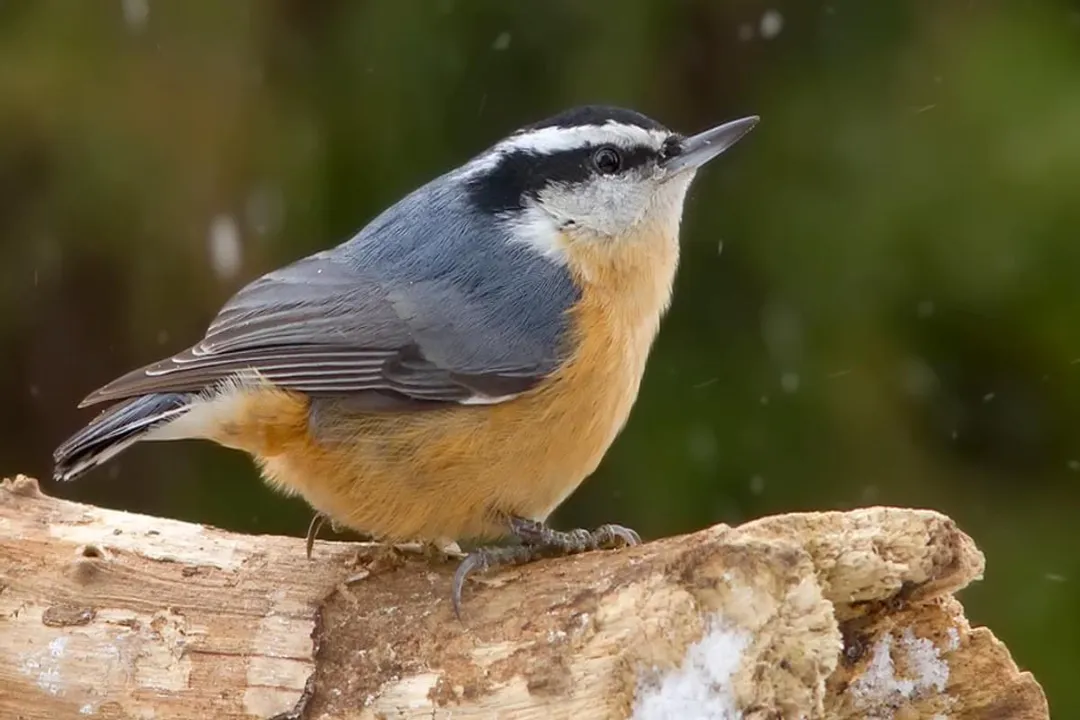
The distinctive, downward-climbing movement of a nuthatch is often the first clue to its location, regardless of whether you are deep in a forest or standing by a suburban bird feeder. These energetic acrobats, belonging to the family Sittidae, occupy diverse habitats across the globe, though their family has a pronounced presence in the Northern Hemisphere. [3][5] While the family contains many species found across Eurasia and even parts of South America, the species most frequently encountered by North American birders—the White-breasted and Red-breasted Nuthatches—have established ranges that cover substantial portions of the continent. [4][6] Understanding where to look depends heavily on which specific nuthatch species is native to your area, as their geographical distributions are far from uniform. [1][2]
# Global Distribution
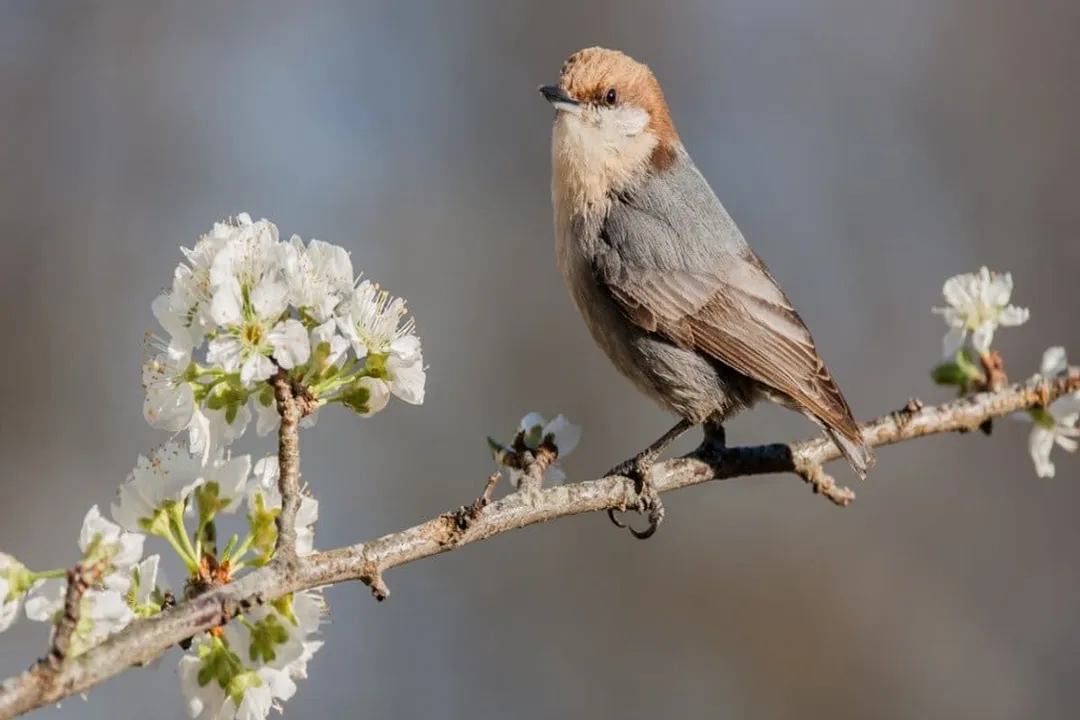
Nuthatches, as a family, are widespread but show a clear preference for wooded environments across their entire range. [3][5] The family Sittidae is primarily distributed across the temperate and boreal regions of the Northern Hemisphere. [3] If you are traveling in Europe, Asia, or North America, there is a good chance you will find at least one type of nuthatch present. [3] In North America, the range tends to be centered around mature forests, reflecting their specialized foraging technique of spiraling headfirst down tree trunks. [7][8] Species found further south, such as those in Central and South America, might exhibit different habitat preferences, often residing in tropical or subtropical woodlands, but the core characteristic—a dependence on trees for food and shelter—remains constant. [5] The sheer variety of nuthatches means that while one species might be absent from a region, another closely related one could take its place, filling a similar ecological niche across different continents. [4]
# White-breasted Range
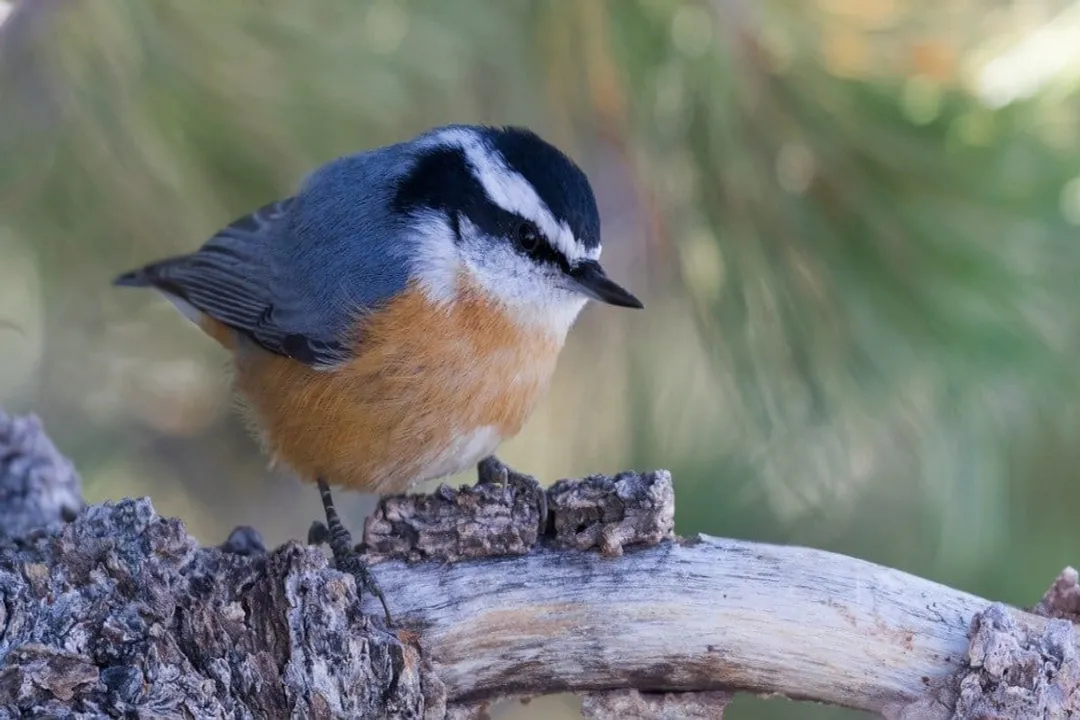
The White-breasted Nuthatch (Sitta carolinensis) is perhaps the most widespread and sedentary of the well-known North American species. [6][8] Its range spans the continent from southern Alaska and central Canada south through much of the contiguous United States and into Mexico. [2] This bird is generally considered a permanent resident throughout most of its territory, meaning it generally does not undertake large-scale seasonal migrations. [6]
The key to finding the White-breasted Nuthatch lies in its preferred habitat: deciduous and mixed-wood forests, especially those featuring mature, large trees. [2][6] They are quite comfortable in semi-open woodlands, parks, and even suburban backyards, provided there are established, older trees available for nesting cavities and foraging. [2][8] In states like Pennsylvania, for instance, they are common residents found across the state, thriving in areas that offer broadleaf forests. [8] Their continued presence year-round makes them a reliable sight for backyard bird enthusiasts willing to offer sunflower seeds or suet. [8] They particularly favor oaks, maples, and beeches, using the rough bark of these trees to probe for insects and seeds. [2] If you are seeking this species, focus your attention on large, established woodlots rather than dense, uniform pine plantations, as the greater variety of tree types often supports a higher density of this particular nuthatch. [2][6]
# Red-breasted Presence
In contrast to the resident White-breasted Nuthatch, the Red-breasted Nuthatch (Sitta canadensis) exhibits a far more variable distribution dependent on food availability, particularly cone crops. [1] This species occupies the boreal and coniferous forests stretching across the northern reaches of North America. [1][8]
The breeding range of the Red-breasted Nuthatch is generally situated in Canada and the northern United States. [1] While they are resident in some western mountain ranges and coastal areas, a significant portion of the population undergoes southward irruptions, or erratic, often large-scale movements away from their typical breeding grounds. [1][5] These irruptions are tied directly to the success of seed crops in the northern coniferous forests; a poor year prompts large numbers of birds to move south in search of food. [1] During these irregular winter movements, Red-breasted Nuthatches can be found much further south than their summer range suggests, sometimes appearing deep into the southern U.S. states where they are otherwise rare or absent in winter. [1][8] A visitor to Minnesota, for example, might see them only during a strong southward push, whereas the White-breasted Nuthatch is a year-round fixture there. [9]
# Contrasting Local Habitats
When examining the local distribution, such as within a single state like Pennsylvania, the subtle habitat partitioning between the two common species becomes apparent. [8] While both species occur statewide, the type of forest often dictates which one you are most likely to encounter, especially during non-irruption years. [8] The White-breasted Nuthatch shows a strong preference for the mature, taller deciduous or mixed woods. [2][8] The Red-breasted Nuthatch, on the other hand, leans heavily toward coniferous settings, making stands of pine, spruce, or fir their primary habitat. [1][8]
This leads to a helpful observation for the keen observer: if you are birding in a mixed forest patch, pay attention to the canopy composition. If you hear the nasal, drawn-out yank-yank call and see the bird near a tall, older oak or maple, it is highly likely to be the White-breasted. [2] If the same call comes from a section dominated by mature evergreens, the Red-breasted is the prime candidate. [1] The Red-breasted Nuthatch is also often described as having a higher-pitched, softer call compared to the lower, more emphatic call of the White-breasted. [4] Differentiating the two based on the dominant tree species surrounding you can save considerable search time. [8]
| Species | Typical Primary Habitat | Residency Status | Key Range Feature |
|---|---|---|---|
| White-breasted Nuthatch | Deciduous/Mixed wood, mature trees [2] | Generally Resident [6] | Wide central North American distribution [2] |
| Red-breasted Nuthatch | Coniferous/Boreal forests [1] | Variable; prone to southern irruptions [1] | Northern distribution, moves south in poor cone years [1] |
# Movement and Residency Patterns
The difference in movement patterns fundamentally changes how an individual birdwatcher interacts with these species throughout the year. [1][6] Because the White-breasted Nuthatch is non-migratory in most areas, its location is relatively predictable from one winter to the next, assuming the local habitat remains stable. [2][6] This stability makes them excellent candidates for backyard feeding stations, as they learn the routine and return consistently. [9]
Conversely, relying on the Red-breasted Nuthatch for winter birding in the central or southern parts of its range is a gamble dictated by the unpredictable nature of cone production in the northern boreal forests. [1] An excellent year in the north might mean heavy bird presence in the southern edges of their normal range, while a bad year might result in almost total absence, even in traditionally occupied areas. [1] This makes tracking the Red-breasted Nuthatch a fascinating exercise in ecological monitoring, as their presence can be an early indicator of food stress farther north. [5] For the dedicated birder, monitoring local feeders—especially those stocked with black oil sunflower seeds, a favorite for both species—during the late fall and early winter is the best way to detect an unexpected southward movement. [9] The ability of the Red-breasted Nuthatch to suddenly appear at feeders miles outside its expected winter area, often staying only as long as the food supply lasts, is a hallmark of its nomadic nature. [1]
# Adapting to Man-Made Locations
Nuthatches are not strictly confined to remote wilderness areas; their distribution frequently overlaps with human development. [2][8] For the White-breasted Nuthatch, suburban parks, large cemeteries, and residential areas with mature hardwood stands are well within their established home range. [2] They readily adapt to nest box usage, often preferring cavities they excavate themselves in dead wood, though they will use pre-existing holes. [6]
The Red-breasted Nuthatch is slightly more demanding but will also frequent parks and yards that border or contain coniferous trees, such as pine or spruce plantings. [1] When an irruption occurs, their adaptability is tested, and they might be found in surprisingly open areas where only scattered conifers exist, provided they can find adequate foraging material. [1] When observing either species near human habitation, notice how they utilize the environment; while they forage on mature tree trunks, their presence in your yard is almost always contingent on the availability of a specific type of nearby canopy cover, whether it's a mixed woodlot or a stand of pines. [7] If you live in an area where both species are known to occur, a quick scan of the tallest trees—looking for the upward-climbing White-breast versus the downward-spiraling Red-breast—is a useful diagnostic tool to confirm which local habitat niche is currently occupied. [4][7] This subtle behavioral difference, tied directly to their preferred location within the vertical structure of the wood, helps them partition resources even when inhabiting the same general neighborhood. [4]
Related Questions
#Citations
Red-breasted Nuthatch Range Map
White-breasted Nuthatch | Audubon Field Guide
Nuthatch
How to attract nuthatches to your yard
Nuthatch Bird Facts
Nuthatches (Sitta)
Nuthatches: The Upside Down Birds - Adirondack Almanack
Nuthatches | Game Commission
White-Breasted Nuthatch (Sitta carolinensis) and Red- ...