Yellow Bullhead: Adaptable American Catfish Physical Characteristics
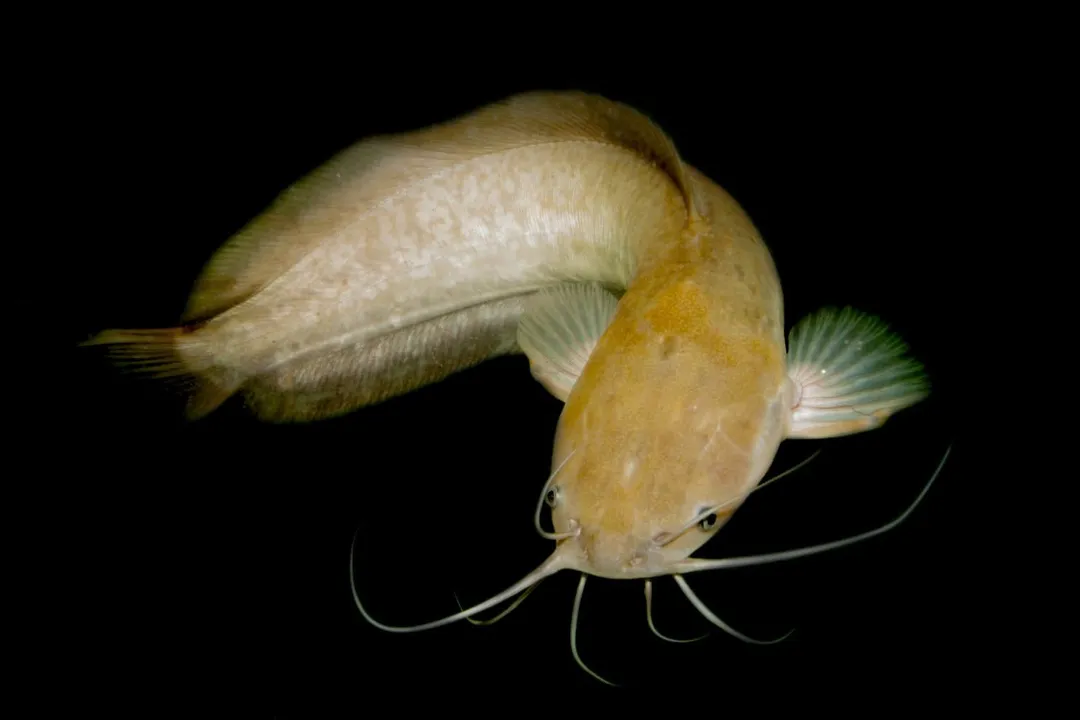
The Yellow Bullhead, Ameiurus natalis, possesses a set of physical characteristics that contribute directly to its widespread success across diverse North American aquatic environments. This adaptability is immediately apparent in its coloration, which serves as excellent camouflage within the variable substrates of its home ranges. While the common name suggests a bright yellow, its actual appearance is often more subdued, ranging from an olive-brown or dark gray on the dorsal side to a paler, often yellowish or whitish, shade on the ventral side.
# Coloration Details
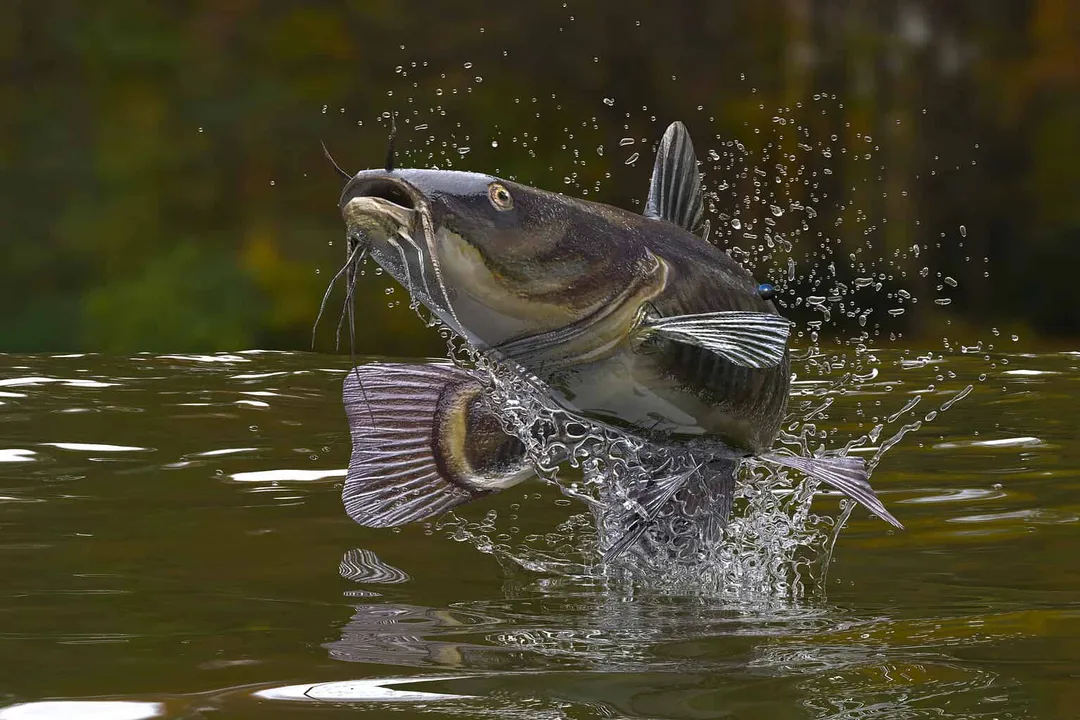
The color of the upper body can vary significantly, sometimes appearing nearly black depending on the habitat, water clarity, and diet, but a key identifying feature that aids in distinguishing it from similar species, like the Brown Bullhead, lies in the sensory organs around its mouth. A critical field mark for the Yellow Bullhead is the presence of pale or distinctly yellow chin barbels. In environments where the water is turbid—a common condition where these fish thrive—the overall body color can be deceptive, making the contrast of these barbels against the darker mouth lining a more reliable indicator for an angler or biologist. This subtle chromatic difference is a significant detail when differentiating it from the Brown Bullhead, which typically has black or dusky barbels.
# Body and Size
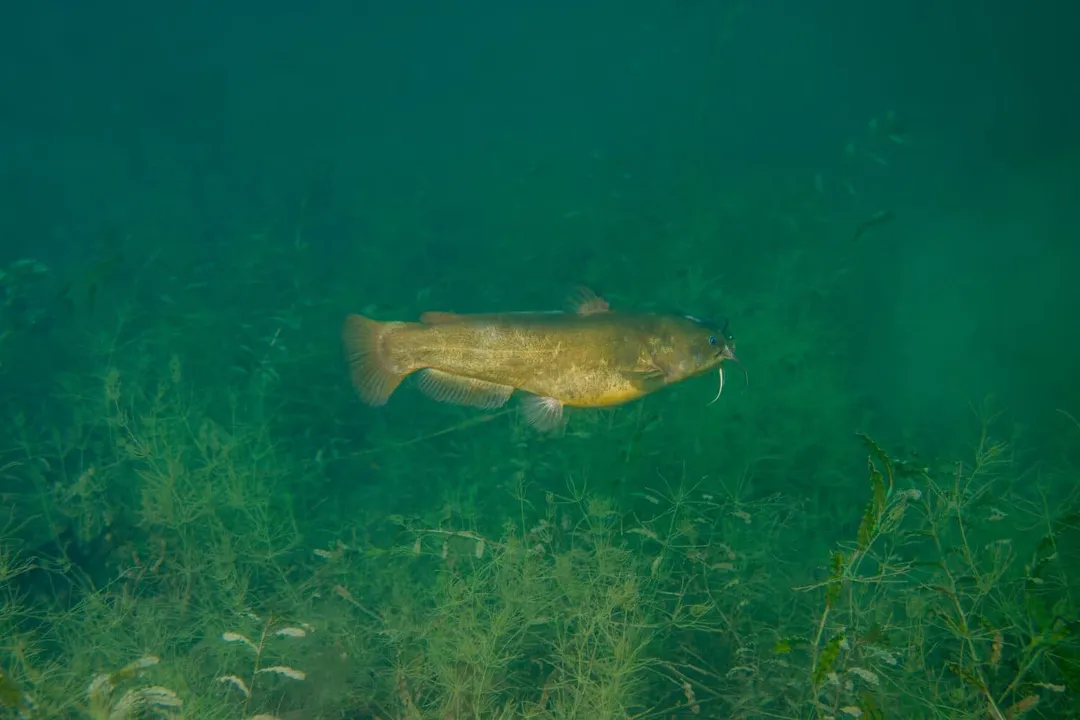
When considering size, the Yellow Bullhead is generally regarded as the smallest of the common North American bullheads. Most specimens encountered by anglers measure less than 12 inches in length. While smaller individuals dominate the population, the species is capable of achieving slightly more impressive dimensions; the maximum recorded total length is around 18 inches, paired with a weight sometimes approaching 4.5 pounds. Their body shape is characteristically robust and somewhat stout, typical of the Ictaluridae family. Unlike some larger catfish species, they lack pronounced keels or deep scutes along their backs, presenting a smooth, rounded profile.
It is worthwhile for anyone cataloging local fish populations to note the relatively consistent size spectrum. If you consistently pull fish approaching 16 inches or more in a stream known for bullheads, you are likely dealing with Brown or Black Bullheads, as the A. natalis tends to top out earlier in its size maturation. This size constraint often means they occupy slightly different ecological niches than their larger cousins, perhaps targeting smaller prey or utilizing tighter cover.
# Head Structure
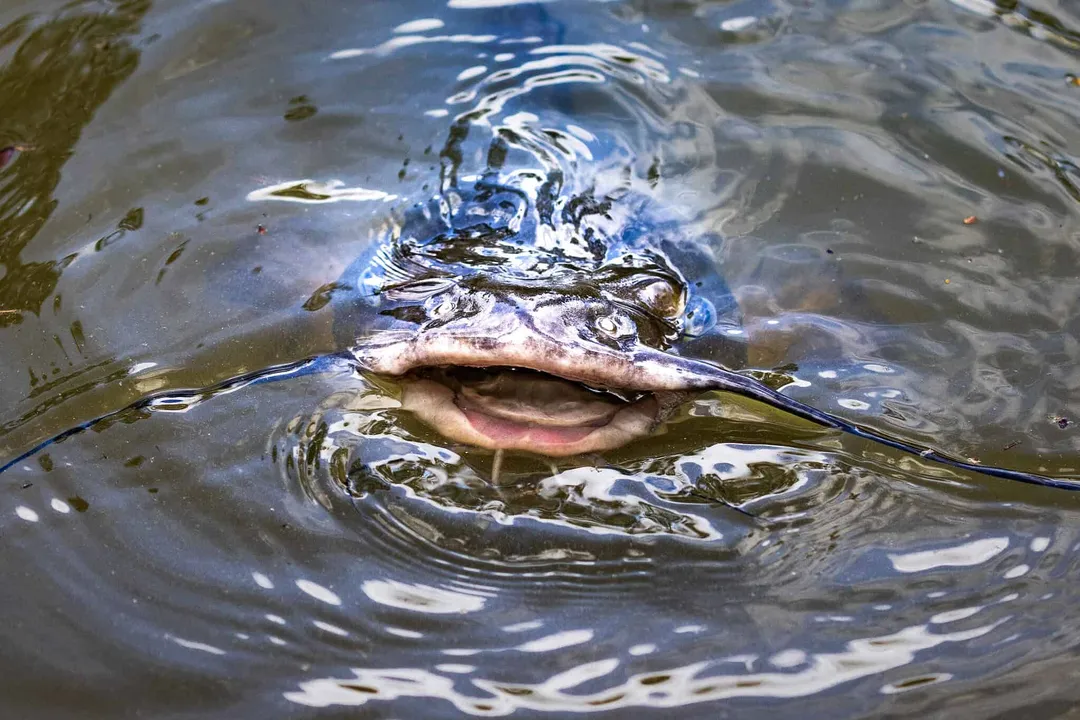
The head of the Yellow Bullhead is broad in proportion to its body, and a noticeable feature is that the snout protrudes slightly beyond the mouth opening. This projection allows them to effectively probe the substrate ahead of their feeding aperture. Like all members of the Ictalurus group, they possess eight barbels—two long ones extending from the snout, two from the corners of the mouth, and two shorter pairs beneath the jaw, often called chin barbels. These barbels are covered in taste buds, acting as highly sensitive chemical receptors that allow the fish to detect food sources even in absolute darkness or very murky water—a necessity given their preference for sluggish or still waters.
A less obvious but crucial feature related to feeding is the dentition. Yellow Bullheads possess a small, single patch of rasping teeth located on the roof of the mouth, which aids in gripping slippery prey items before swallowing.
# Fin Anatomy
The fin structure provides several definitive characteristics that help separate the Yellow Bullhead from other catfish it might share habitat with, particularly regarding the tail and anal fins.
# Tail Shape
One of the most reliable ways to confirm an identification, especially when water clarity makes viewing the chin barbels difficult, involves examining the caudal (tail) fin. The Yellow Bullhead’s tail fin is not deeply forked. Instead, it is typically straight or only very slightly emarginate, often appearing nearly square or even slightly rounded at the posterior edge. This contrasts with species like the Channel Catfish, which possess a distinctly forked tail. For field identification, knowing that a straight or barely curved tail generally points toward a bullhead, and then specifically checking the barbels, simplifies the process immensely.
# Anal Fin Details
The anal fin, situated on the underside just before the tail, is also morphologically distinct. The Yellow Bullhead’s anal fin generally contains between 21 and 27 soft rays. This count is important; for example, it usually possesses more rays than the related Black Bullhead, which typically has 19 to 23 rays. Furthermore, the leading edge of the anal fin typically lacks any dark pigmentation or markings, often appearing clear or pale, which can be another subtle cue when examining the fish submerged or partially obscured. The dorsal fin, positioned on the back, is relatively small and contains one strong, serrated spine followed by several soft rays, and it always features the small, fleshy adipose fin typical of the family Ictaluridae.
# Distinguishing Features Summary
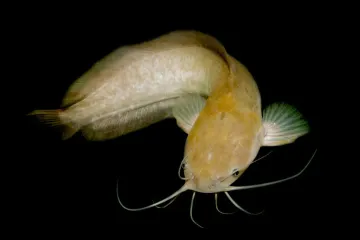
While coloration and size offer clues, a reliable identification hinges on the combination of three main features: the chin barbels, the tail shape, and the anal fin ray count.
| Characteristic | Yellow Bullhead Feature | Contrast Example (Brown Bullhead) |
|---|---|---|
| Chin Barbels | Pale or Yellow | Dark or Black |
| Tail Fin | Straight or slightly rounded/emarginate | Slightly forked |
| Anal Fin Rays | 21–27 soft rays | Typically 19–23 soft rays |
This distinct suite of physical traits allows the Yellow Bullhead to persist successfully in environments where other catfish might be outcompeted. Their small size allows them to utilize smaller tributaries, weed beds, and muddy bottoms inaccessible to larger, more streamlined catfish like the Channel Catfish, giving them a specialized advantage in avoiding predation while still accessing food resources. The pale barbels, which are excellent chemoreceptors, are key to finding invertebrates and small crustaceans hidden in soft sediment, making them highly efficient benthic feeders.
Related Questions
#Citations
Yellow Bullhead: Adaptable American Catfish Fish Facts - A-Z Animals
Yellow Bullhead Catfish | Oklahoma Department of Wildlife ...
Yellow bullhead | Washington Department of Fish & Wildlife
Yellow Bullhead | Mississippi Department of Wildlife ... - MDWFP
Yellow bullhead - Wikipedia
Yellow Bullhead - Missouri Department of Conservation
Yellow Bullhead – Ichthyology - Florida Museum of Natural History
yellow bullhead - Illinois Department of Natural Resources
Yellow Bullhead | Outdoor Alabama