How is the tail fin shape typically described for *Ameiurus natalis* compared to deeply forked tails?
Answer
It is usually only slightly notched or appears nearly straight across
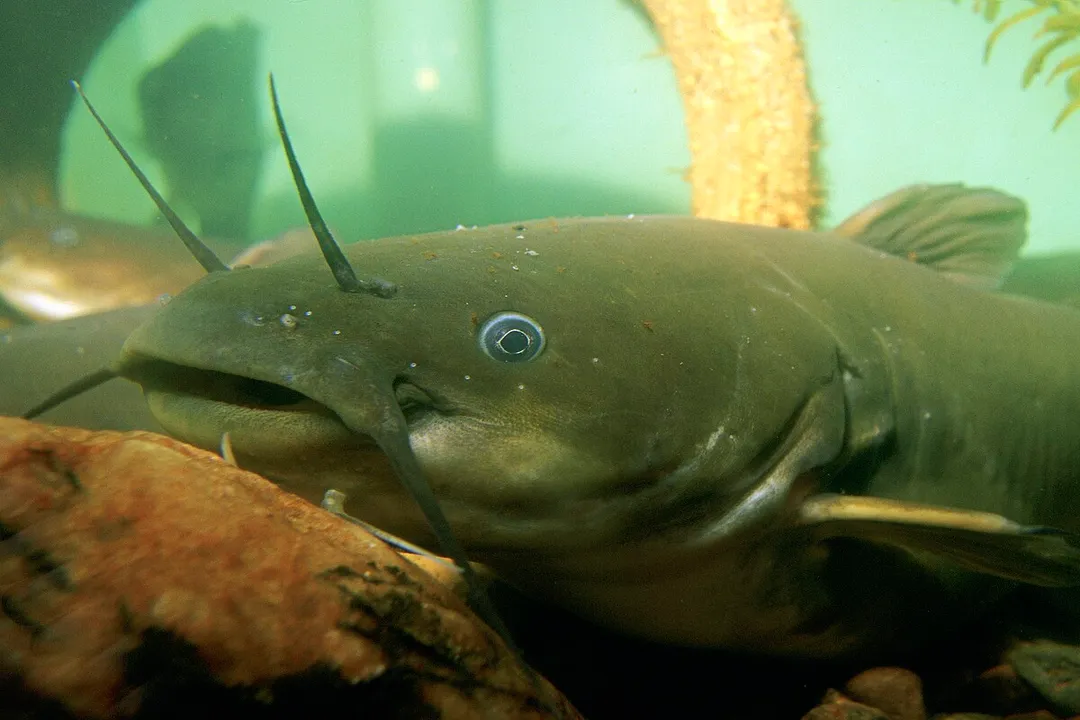
When attempting to identify the Yellow Bullhead in the field, examining the caudal fin, or tail fin, offers another useful, non-fin ray related characteristic. Unlike some other catfish species that possess tails deeply forked—meaning the lobes come together in a pronounced V-shape—the tail fin of *A. natalis* presents a much less dramatic configuration. It is typically characterized as being either only slightly notched or appearing nearly straight across when fully spread. This relatively blunt or shallowly indented tail shape serves as a useful field mark to differentiate it from relatives or other species sharing its habitat.
Related Questions
What is the typical range of anal fin rays for the Yellow Bullhead (*Ameiurus natalis*)?What specific physiological tolerance allows *A. natalis* to persist in warm summer ponds experiencing stress?What primary activity defines the Yellow Bullhead as a nocturnal bottom-dweller?What is the distinguishing color of the eight chin barbels on the Yellow Bullhead?Which parent primarily guards the nest site and developing embryos during Yellow Bullhead spawning?What is the approximate maximum reported weight recorded for the Yellow Bullhead species?What type of substrate do Yellow Bullheads strongly favor for maintaining territory and foraging?How is the tail fin shape typically described for *Ameiurus natalis* compared to deeply forked tails?Which food source is specifically mentioned as supplementing the animal diet of the Yellow Bullhead when invertebrate populations are low?Which major North American drainage system is listed as part of the historical distribution of the Yellow Bullhead?