What difficult environmental conditions allow the yellow bullhead to thrive where sensitive species perish?
Answer
Low oxygen levels and high levels of silt
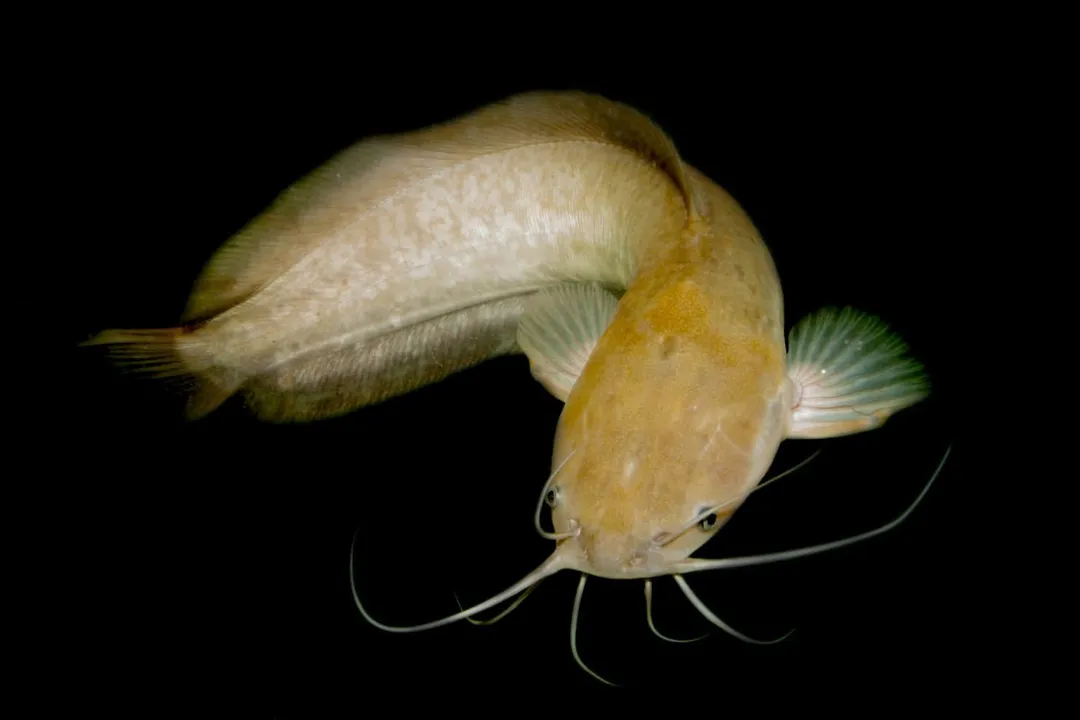
A defining trait of the yellow bullhead is its exceptional hardiness and tolerance for poor water quality, setting it apart ecologically. These fish are adapted to persist in aquatic environments characterized by adverse conditions such as low oxygen saturation and high concentrations of suspended silt or sediment. This ability to cope with otherwise stressful or polluted conditions means they can successfully inhabit backwaters and sluggish areas where more sensitive species cannot maintain a viable population, demonstrating their resilience as a survivor in stressed ecosystems.
Related Questions
What color are the chin barbels used to identify the yellow bullhead (*Ameiurus natalis*)?What does the genus name *Ameiurus* translate to, referencing a feature of the yellow bullhead's tail fin?What difficult environmental conditions allow the yellow bullhead to thrive where sensitive species perish?How many taste buds are distributed across the yellow bullhead's eight barbels and body surface combined?What term describes the typical mating relationship formed by *Ameiurus natalis* during their reproductive season?Compared to its black and brown bullhead relatives, what dietary component does the yellow bullhead consume in higher proportion?What painful physical effect results from a puncture wound inflicted by the yellow bullhead's serrated dorsal or pectoral spines?What is the typical average weight generally observed for an adult yellow bullhead specimen?What is the culinary reputation of the yellow bullhead flesh, despite habitat-dependent flavor risks?During which months does the spawning season typically commence for *Ameiurus natalis* when temperatures are optimal?