Yellow Bullhead: Adaptable American Catfish Scientific Classification
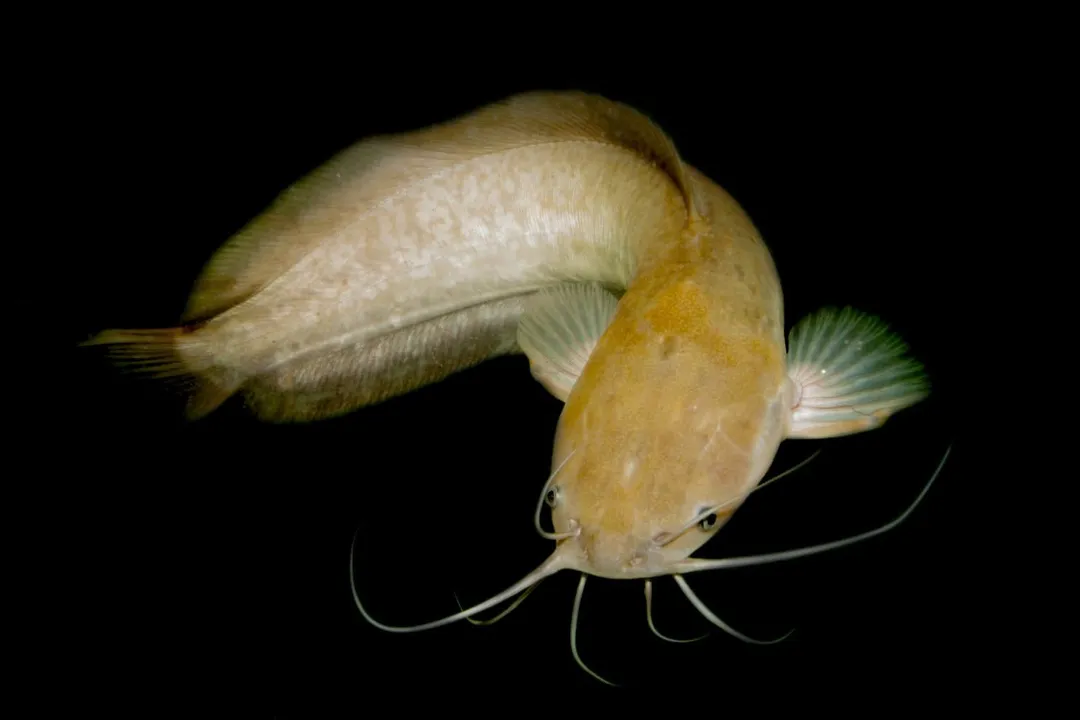
The Yellow Bullhead, Ameiurus nataloides, represents one of the most adaptable members of the North American catfish family, often found lurking near the bottom of slow-moving waters across much of the continent. [1][2] While many anglers might simply refer to it as just another "bullhead," understanding its formal scientific placement reveals much about its evolutionary history and its success in various aquatic environments. [4] This small, sturdy fish has carved out a significant ecological niche, partly due to its high tolerance for conditions that would sideline more sensitive species. [6]
# Scientific Naming

The precise scientific classification of the Yellow Bullhead grounds it within the vast tree of life, confirming its identity beyond regional common names. [7] Its formal binomial nomenclature is Ameiurus nataloides. [5] This name is relatively consistent across major ichthyological databases, although historical literature might list synonyms, such as Pimelodus natalis. [5] This type of nomenclature shift is common as scientists refine the evolutionary relationships between fish groups. [5]
# Taxonomic Hierarchy
To truly appreciate where this catfish fits, we can trace its lineage through the established ranks of taxonomy. [7]
| Rank | Classification |
|---|---|
| Kingdom | Animalia |
| Phylum | Chordata |
| Class | Actinopterygii (Ray-finned fishes) |
| Order | Siluriformes (Catfishes) |
| Family | Ictaluridae (North American Catfishes) |
| Genus | Ameiurus |
| Species | A. nataloides |
The placement within the order Siluriformes immediately identifies it as a true catfish, recognizable by the presence of prominent barbels surrounding the mouth, which serve as crucial sensory organs. [7] Its family, Ictaluridae, places it alongside familiar relatives like channel catfish and other bullhead species. [1][3] The genus Ameiurus groups it specifically with the bullheads, distinguishing it from the larger North American catfishes belonging to genera like Ictalurus. [7]
# Physical Description

The Yellow Bullhead is a modestly sized fish, typically reaching a maximum length of around 12 inches (30 cm), though most specimens encountered are considerably smaller. [1][2] Its coloration provides a good clue to its name: the back usually ranges from a yellow to an olive-brown hue, fading into lighter, often pale yellow or whitish, sides and belly. [1][6] This countershading helps it blend into the murky, vegetated bottoms where it resides. [6]
# Identifying Features
Distinguishing the Yellow Bullhead from its close relatives, such as the Brown Bullhead (Ameiurus nebulosus), often requires close inspection of a few key anatomical markers. [1][6]
- Chin Barbels: A primary diagnostic feature involves the barbels—those whisker-like sensory organs around the mouth. [6] In the Yellow Bullhead, the barbels on the chin are characteristically white or pale yellow. [1][6] This contrasts sharply with the dusky or grayish barbels found on the Brown Bullhead. [6]
- Anal Fin: The shape of the anal fin is another critical differentiator. [6] The posterior edge of the anal fin in A. nataloides is typically rounded or straight, whereas in the Brown Bullhead, it is usually more distinctly indented or notched. [6]
The overall body shape is somewhat robust, though often described as more slender when compared directly to the Brown Bullhead. [1] Like all members of its family, it possesses a bony plate, or adipose fin, located on the back between the dorsal fin and the tail fin, which is a hallmark of the Ictaluridae. [7]
If one were handling a specimen caught in Maryland waters, for instance, noting that the anal fin rays number between 17 and 23 would further confirm its identity, as this numerical trait helps separate it from other species in the region. [6]
# Ecological Adaptability

Perhaps the most defining trait of the Yellow Bullhead is its remarkable ecological plasticity. [1] This fish has a high tolerance for less-than-ideal water quality, which has allowed it to thrive where other game fish might struggle. [6]
# Habitat Preferences
Yellow Bullheads are strongly associated with sluggish, warm water environments. [1] You are most likely to find them in:
- Ponds and small lakes. [2][8]
- Slow-moving streams and sluggish backwaters. [1][6]
- Areas characterized by weedy cover, submerged debris, or muddy bottoms. [1][2][8]
Crucially, they demonstrate significant tolerance for turbid (cloudy) water, warmer temperatures, and surprisingly, low dissolved oxygen levels. [1][6] This hardiness means that in aquatic systems stressed by pollution or heavy organic loading—conditions that can cause major fish kills for species like trout or bass—the Yellow Bullhead often remains abundant. [1] This successful persistence in compromised habitats offers an interesting management perspective; a high population of Yellow Bullheads can sometimes serve as an indicator that the overall health of the water body is under significant environmental stress, even if the fish themselves are thriving. [1]
# Distribution and Spread
Native to eastern North America, the Yellow Bullhead's historical range generally covered the Mississippi River basin and areas east of the Appalachians. [1][2] However, due to intentional introductions by humans for sport fishing or bait purposes, the species is now established widely across the continent and even in some foreign locations. [1][6] When considering its success as an introduced species, its combination of small size, rapid maturation, and tolerance for variable conditions makes it a candidate for surviving transport and establishment in new water bodies where more delicate native fish might perish during the move. [3]
# Feeding and Behavior
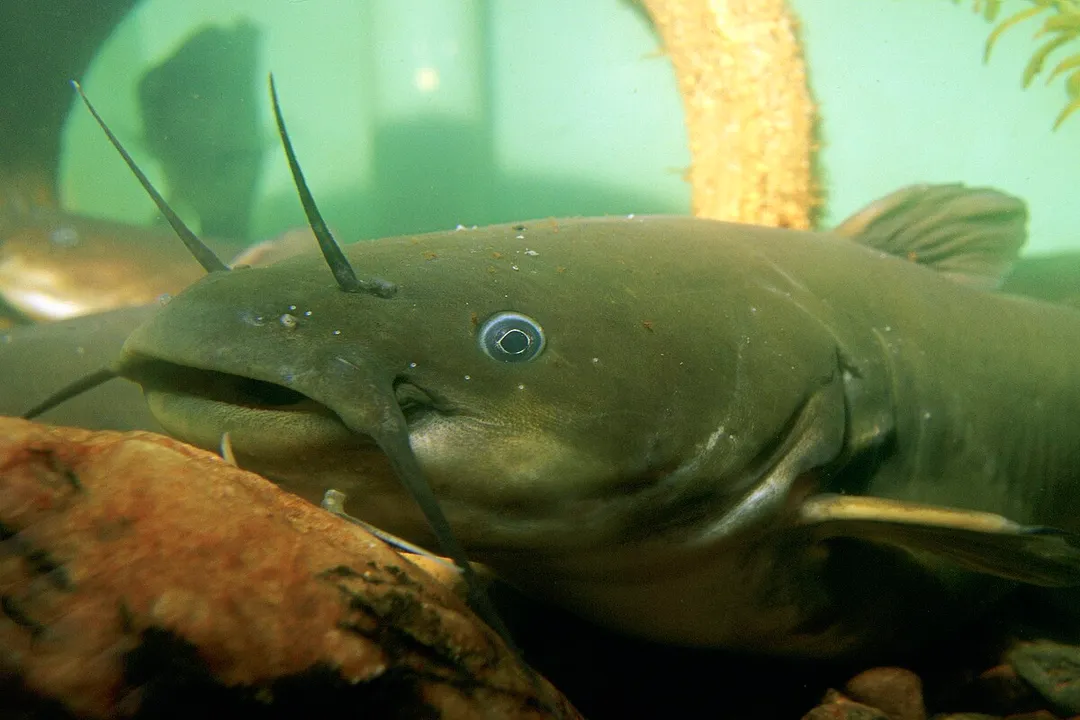
The Yellow Bullhead is an opportunistic omnivore. [1] Its feeding habits are primarily tied to the substrate, as it spends most of its time foraging along the bottom, using its sensitive barbels to detect food in the dark or silty waters it favors. [2]
# Diet Composition
Its diet is broad and highly dependent on local availability, consisting of a variety of small, benthic or near-bottom organisms. [1][6] Typical dietary components include:
- Aquatic insects and their larvae. [1]
- Small crustaceans (like crayfish or amphipods). [1]
- Worms and snails (mollusks). [1][2]
- Fish eggs and small, slow-moving fish. [1][6]
This varied diet ensures that as long as there is some form of organic matter or small invertebrate life present, the Yellow Bullhead can sustain itself, further explaining its dominance in highly productive or disturbed water bodies. [2]
# Reproductive Cycle
Spawning generally occurs during the warmer months of spring and early summer. [1] Like many other bullheads, the Yellow Bullhead seeks out concealed, protected locations to deposit its eggs. [1] This might involve nesting under submerged logs, inside dense vegetation mats, or beneath undercut banks. [1] Parental care is typically minimal once the eggs are laid, relying on the cover of the chosen site to protect the developing embryos until they hatch. [1]
# Comparison Insights
It is always useful to compare related species when identifying them or understanding their roles in an ecosystem. The most common comparison is drawn with the Brown Bullhead (Ameiurus nebulosus). [6]
| Feature | Yellow Bullhead (A. nataloides) | Brown Bullhead (A. nebulosus) |
|---|---|---|
| Chin Barbels | White or pale yellow [1][6] | Dusky or grayish [6] |
| Anal Fin Edge | Rounded or straight [6] | Usually noticeably notched/indented [6] |
| Body Shape | Generally more slender [1] | Generally more robust/stout |
Understanding these subtle differences is essential, particularly for fisheries managers or biologists conducting surveys where accurate species identification is necessary for monitoring population health or the success of stocking programs. [6] A fisherman might dismiss a catch as "just a small bullhead," but recognizing the pale barbels might indicate the presence of a species better adapted to a specific, perhaps warmer or muddier, section of the lake than its close cousin. [1]
The sheer success of the Yellow Bullhead, evidenced by its widespread distribution both natively and as an introduction, suggests that its evolutionary strategy focused on generalist feeding and high environmental tolerance paid off handsomely across the diverse freshwater landscapes of North America. [3] This adaptability contrasts with species that require very specific, pristine habitat conditions for survival, positioning the Yellow Bullhead as a biological constant across many North American aquatic regimes. [8] They are a testament to fitness in the face of variable environmental pressure.
Related Questions
#Citations
Yellow bullhead - Wikipedia
Yellow Bullhead: Adaptable American Catfish Fish Facts - A-Z Animals
bullhead catfish (Ameiurus sp.) - Species Profile - USGS NAS
Yellow bullhead Facts for Kids
Ameiurus natalis, Yellow bullhead : fisheries, gamefish - FishBase
Yellow Bullhead - MBSS: Fish details - Maryland.gov
Ameiurus - Grokipedia
yellow bullhead - Illinois Department of Natural Resources
Ameiurus natalis | CABI Compendium