Yellow Bullhead: Adaptable American Catfish Locations
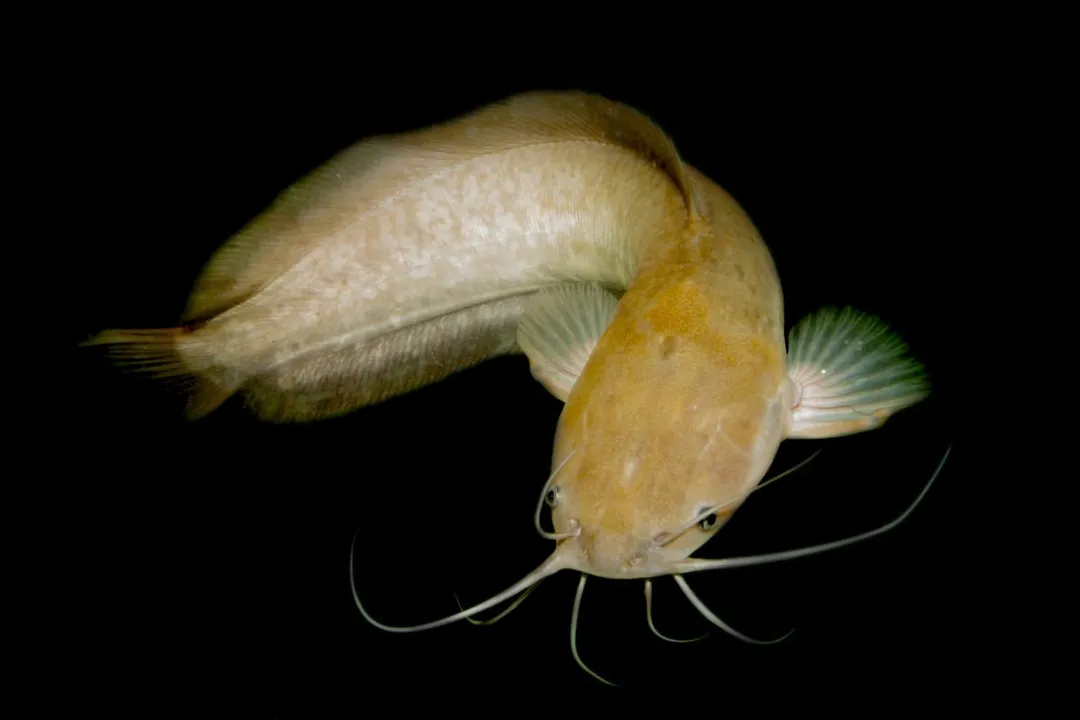
The Yellow Bullhead (Ameiurus natalis) represents one of the most successful and widely distributed smaller catfish in North America, largely due to its remarkable adaptability across varied aquatic conditions. [1][2] Unlike their larger cousins which might demand cleaner, flowing rivers, the yellow bullhead carves out a niche in warmer, sometimes murkier waters where other game fish struggle to maintain populations. [6] Understanding where these fish thrive requires looking closely at their physical characteristics and their preference for certain environmental settings that define their habitat range. [2][7]
# Physical Markers
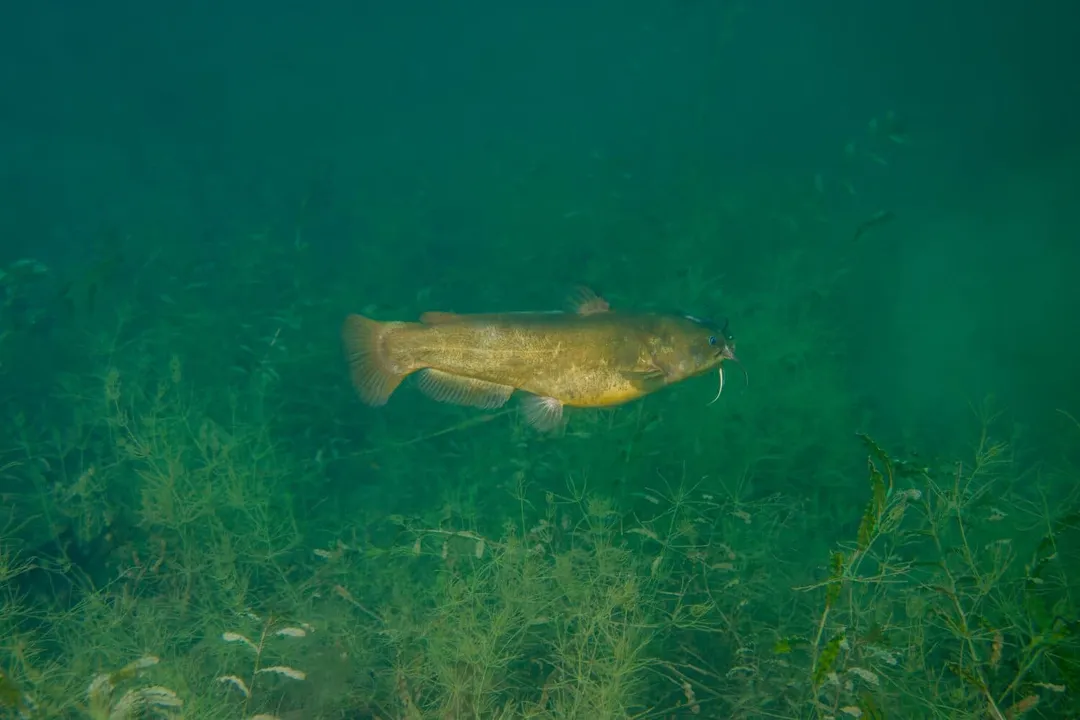
Distinguishing the Yellow Bullhead requires careful observation, as it shares features with other bullheads and catfish species. [2] One key identifier is its overall coloration, which typically ranges from a brownish-olive on the back to a distinctly yellowish or pale belly, though this can vary based on water clarity and substrate. [6][7] They possess the characteristic smooth skin typical of catfish, lacking scales, and they have eight sensory barbels surrounding their mouth, which aid in locating food in dark or turbid environments. [2][7]
When comparing it to the Brown Bullhead, the tail fin is often a noticeable feature. While some sources describe the tail as slightly rounded or nearly straight, it is generally not as deeply forked as that of a Channel Catfish. [2] Furthermore, the anal fin of the Yellow Bullhead is usually quite long, often containing between 21 and 24 soft rays. [2][7] Knowing these subtle markings helps anglers confirm they have located the intended species, especially when fishing in areas where multiple bullhead types coexist. [2] While they are not giants of the catfishing world, reaching a maximum reported length of around 18 inches is possible, though most catches are significantly smaller, often under 12 inches. [1][7]
# Geographic Spread
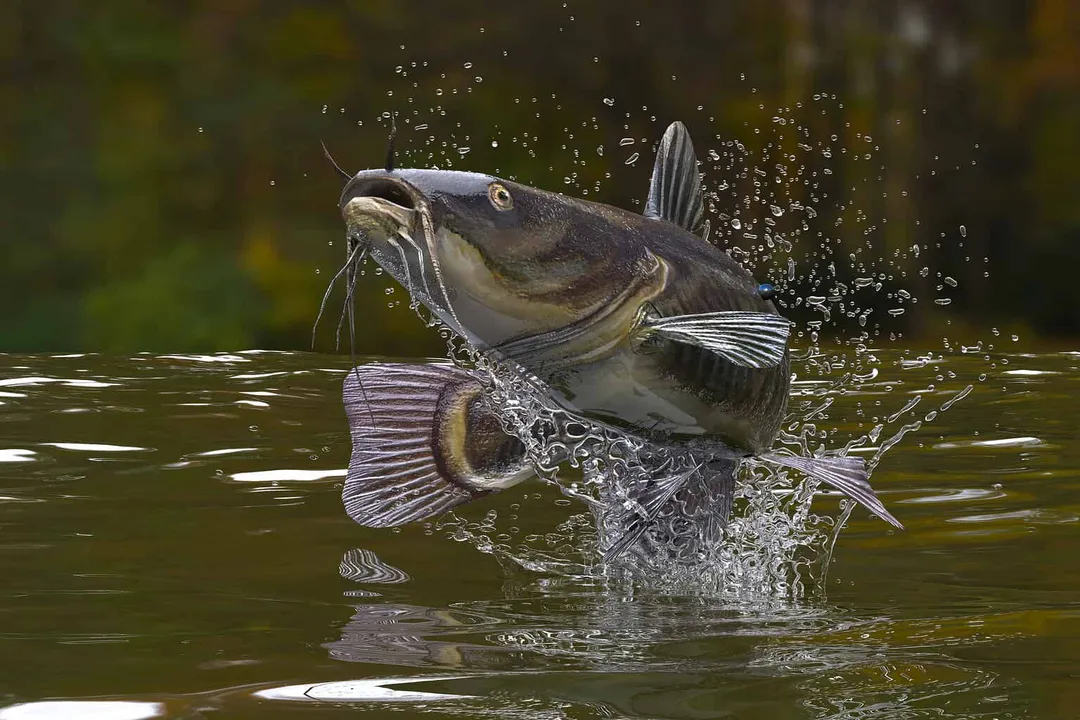
The native distribution of the Yellow Bullhead spans a significant portion of eastern and central North America. [2][7] They are indigenous to waters stretching across the central and eastern United States and into parts of Canada. [2] In the eastern regions, their presence is well-documented, such as in New Hampshire, where they inhabit various lakes and ponds. [6]
However, the story of their location is not just about native waters. Due to stocking practices for sport fishing or aquaculture purposes, their range has been expanded beyond its original boundaries. [3] This intentional or accidental introduction means that anglers might find them in systems outside their historical, natural range. [3] This flexibility in range underscores their hardiness; they are not geographically restricted by the same limitations that keep specialized riverine species confined to specific tributaries. [1][5]
# Water Conditions
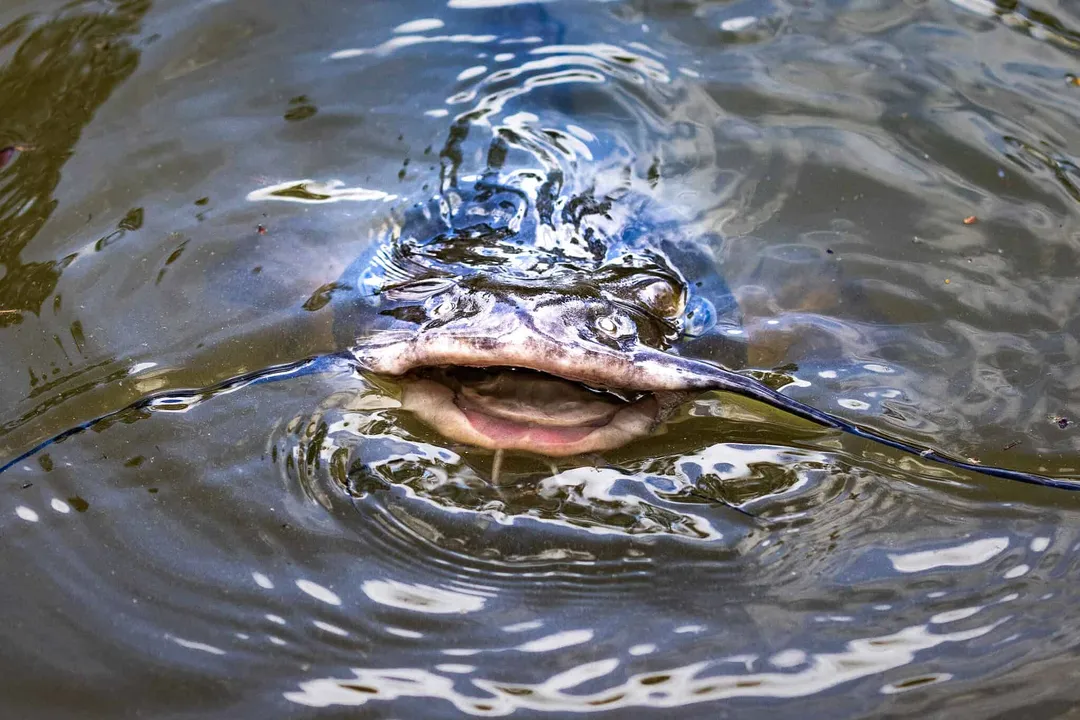
If you are searching for Yellow Bullhead, your search should prioritize slow-moving or still waters. [1] They are perfectly at home in small ponds, lakes, and sluggish streams or backwaters of larger rivers. [6] Water clarity is often secondary to temperature and flow rate; these fish do exceptionally well in turbid or muddy conditions where sunlight penetration is poor. [1][5]
The tolerance these fish have for environmental extremes is a major factor in determining their successful locations. [5] They can thrive in water temperatures that would stress or kill more sensitive species. [5] Crucially, Yellow Bullheads can tolerate significantly lower levels of dissolved oxygen compared to many sunfish or salmonids. [5] This means that a murky, warm pond that has experienced an algal bloom and resultant oxygen crash might suddenly become prime Yellow Bullhead habitat, even if it was marginal just weeks before. [1] Areas with plenty of submerged structure, such as logs, stumps, or dense aquatic vegetation, provide both cover and foraging opportunities, making them preferred spots within these larger water bodies. [1][6]
If you are observing a body of water where the water is consistently very clear and fast-moving—think mountain streams or deep, cold-water reservoirs—the Yellow Bullhead is less likely to be the dominant catfish species present. They gravitate toward the thermal and oxygen refuge offered by warmer, slower areas. [6]
# Resilience Factors
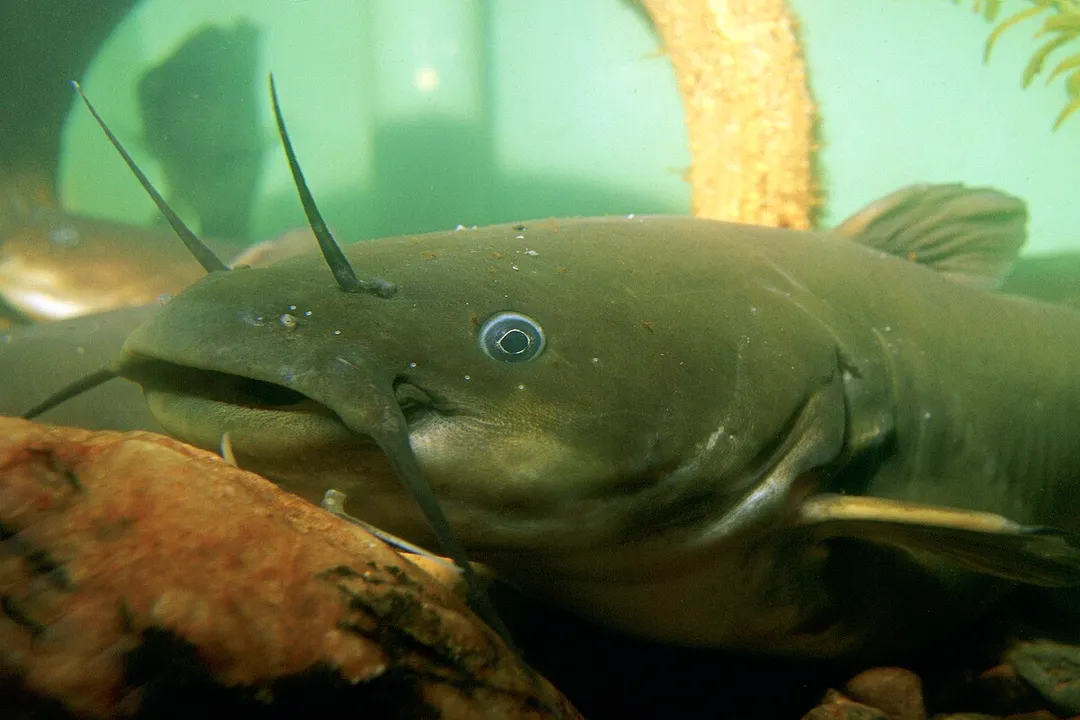
The adaptability that allows the Yellow Bullhead to occupy such a wide range of locations boils down to physiological resilience and an opportunistic lifestyle. [1] Their ability to survive low oxygen is arguably their most significant advantage over many other freshwater game fish. [5] This resilience translates directly into an ability to colonize habitats that are either marginal or in decline from an ecological perspective. [1]
Their smaller average size also plays a part in habitat selection. While they can reach impressive sizes, being generally smaller than Flathead or Blue Catfish allows them to access tighter cover and shallower littoral zones where large predators may not venture or be able to maneuver effectively. [1][2] This niche partitioning means they face less direct competition from the apex catfish species in smaller, shallower systems. [7]
A point worth noting about their prevalence is that a high density of Yellow Bullhead can sometimes serve as a subtle indicator of the pond's overall health trajectory. Because they thrive in nutrient-rich environments that support abundant invertebrate life and organic matter breakdown—processes that often reduce dissolved oxygen—a large population suggests a system that is well-established, or perhaps experiencing increasing nutrient loading (eutrophication) [Self-analysis]. Where other, more delicate species are disappearing due to these changes, the yellow bullhead often remains or flourishes, securing its ecological space. [5]
# Feeding Habits
The Yellow Bullhead is a consummate omnivore, a dietary trait that heavily influences where they can successfully settle and reproduce. [1][4] They are not selective eaters; their diet encompasses a broad spectrum of available food items. [1] This menu regularly includes aquatic insects, small crustaceans, mollusks, small fish, and a considerable amount of plant material and decaying organic matter, or detritus. [1][2][4]
This generalized feeding strategy means they are not reliant on a single food source. If a particular stream experiences a dip in the insect hatch, or if fish populations fluctuate, the Yellow Bullhead can simply shift its focus to benthic invertebrates or available plant matter. [1] This dietary flexibility minimizes the stress associated with seasonal food scarcity common in more specialized feeders. [4] They are primarily bottom foragers, using their barbels to sweep and detect items buried in the silt or tucked under debris. [7]
# Catching Them
While often caught incidentally by anglers targeting other species, the Yellow Bullhead is certainly a worthwhile catch for those interested in its strong fighting ability for its size. [7] Because their primary feeding strategy involves investigating the bottom for numerous small food items rather than chasing large baitfish schools, success often hinges on presenting bait where they are actively foraging: on or very near the bottom substrate [Self-analysis].
Anglers seeking them out should focus their efforts in the same locations described for habitat preference—the thickest muck, under cut banks, or adjacent to heavy weed lines in slow water. [6] Baits that mimic their natural diet or offer a strong scent profile are typically most effective. While worms are a universal favorite, stink baits, small pieces of cut bait, or processed dough baits work exceptionally well because they appeal to the catfish’s reliance on chemical cues in turbid water. [7] Presenting these baits on a simple bottom rig, allowing them to sit motionless in the silt near cover during low-light periods, often yields the best results for these adaptable bottom-dwellers. [7] Their willingness to take almost anything presented naturally ensures that anglers can use readily available materials to target them effectively across their wide distribution. [4]
Related Questions
#Citations
Yellow Bullhead: Adaptable American Catfish Fish Facts - A-Z Animals
Yellow bullhead - Wikipedia
Yellow Bullhead (Ameiurus natalis) - Species Profile
Yellow Bullhead Catfish - Danbury Fish Farms
Yellow Bullhead - FISHBIO | Fisheries Consultants
Yellow Bullhead | State of New Hampshire Fish and Game
Yellow Bullhead: Facts, Records, and How to Catch Them - FishyAF
Yellow Bullhead (Fishes of the Upper Green River, KY) - iNaturalist