Yellow Bullhead: Adaptable American Catfish Facts
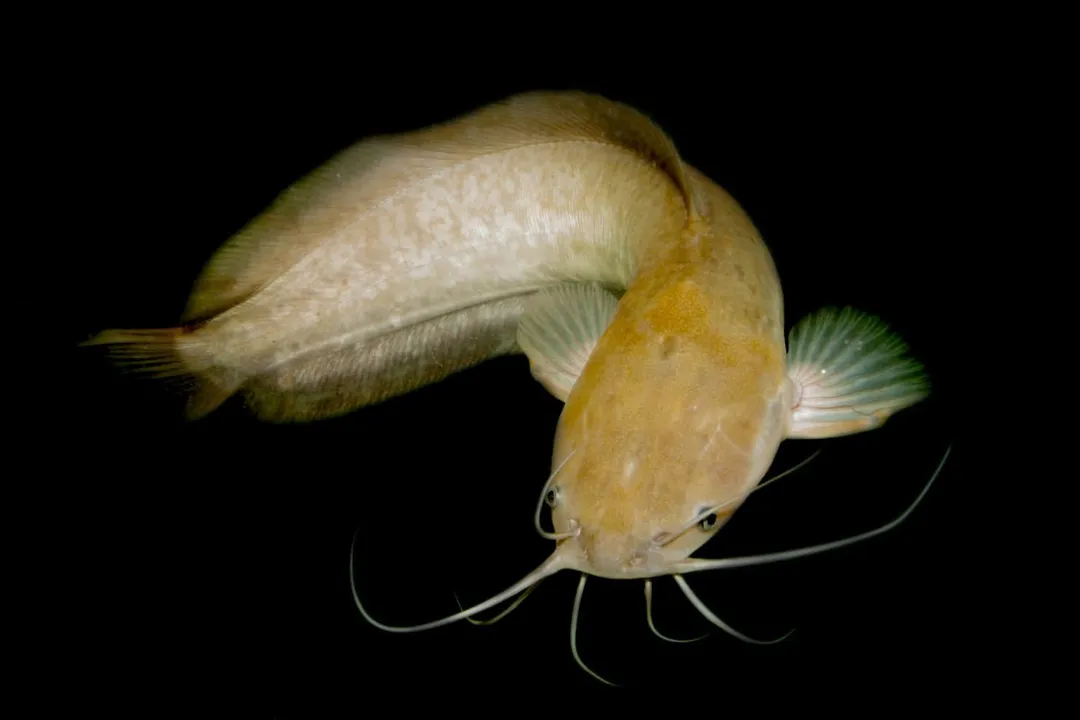
The yellow bullhead, scientifically known as Ameiurus natalis, stands out in the diverse world of North American freshwater catfish. Unlike some of their more famous cousins, these fish are defined by their remarkable hardiness and an adaptability that allows them to populate a staggering variety of aquatic environments across the continent. [4][1] As a member of the Ictaluridae family, the yellow bullhead shares that signature, scaleless, leathery skin, but boasts specific features that help anglers and biologists tell it apart from the closely related black and brown bullheads. [1][3]
# Key Distinctions
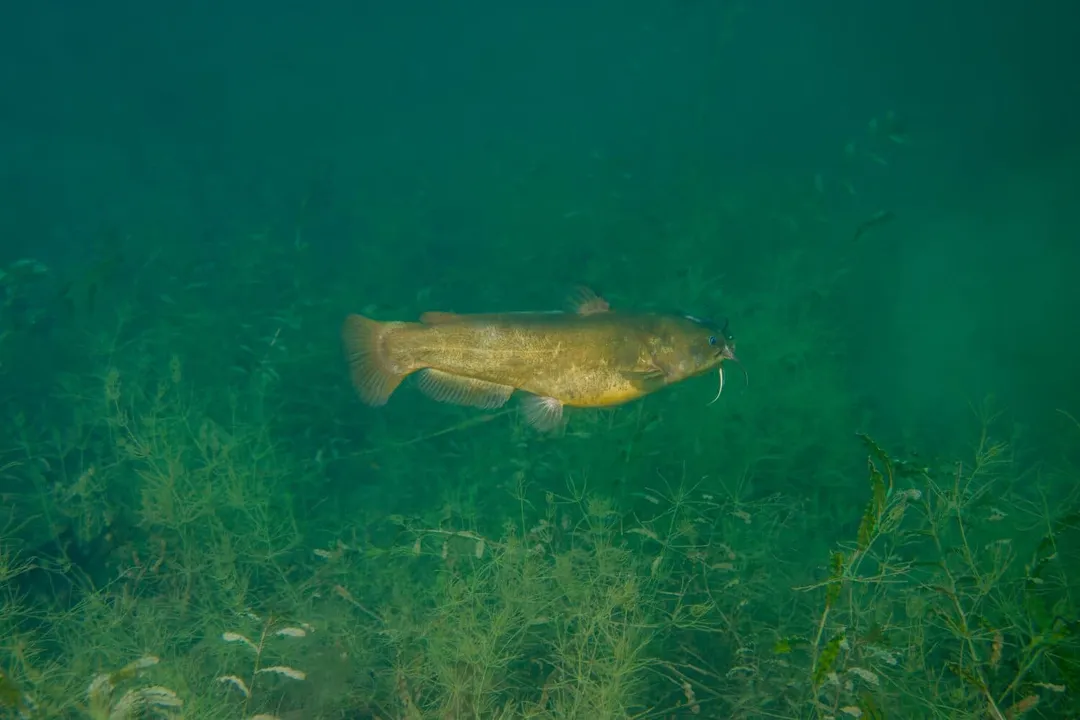
The most reliable way to confirm a yellow bullhead sighting involves a close look at the chin barbels—the whisker-like appendages around the mouth. [4] Where the brown and black bullheads typically display dark pigmentation on these chin whiskers, the yellow bullhead sports chin barbels that are distinctly white or pale yellow. [1][3] Additionally, its caudal (tail) fin edge is generally rounded or straight, contrasting with the slightly forked appearance of some related species. [1][2] The species name Ameiurus translates roughly to "without notch," referring to this lack of a deep notch in the tail fin. [1][4] Physiologically, they possess an anal fin with 24 to 27 rays, often slightly more than other bullheads. [1][3]
Physically, the coloration is variable, often matching the substrate where the fish lives, ranging from yellow-olive to slate black on the back. [1][3] However, the underside of the head and body is reliably lighter, often a bright yellow or white. [1][2] While they are considered medium-sized catfish, most individuals stay relatively modest, averaging between 6 and 14 inches in length and weighing around 2 pounds. [4][5] While records exist of specimens approaching 6 pounds, and even a Florida state record of 5.05 pounds, the typical catch is much smaller. [1] Longevity is respectable for their size, with some individuals documented to live up to 12 years in the wild, though 7 to 8 years is more common. [1][4]
# Habitat Tolerance
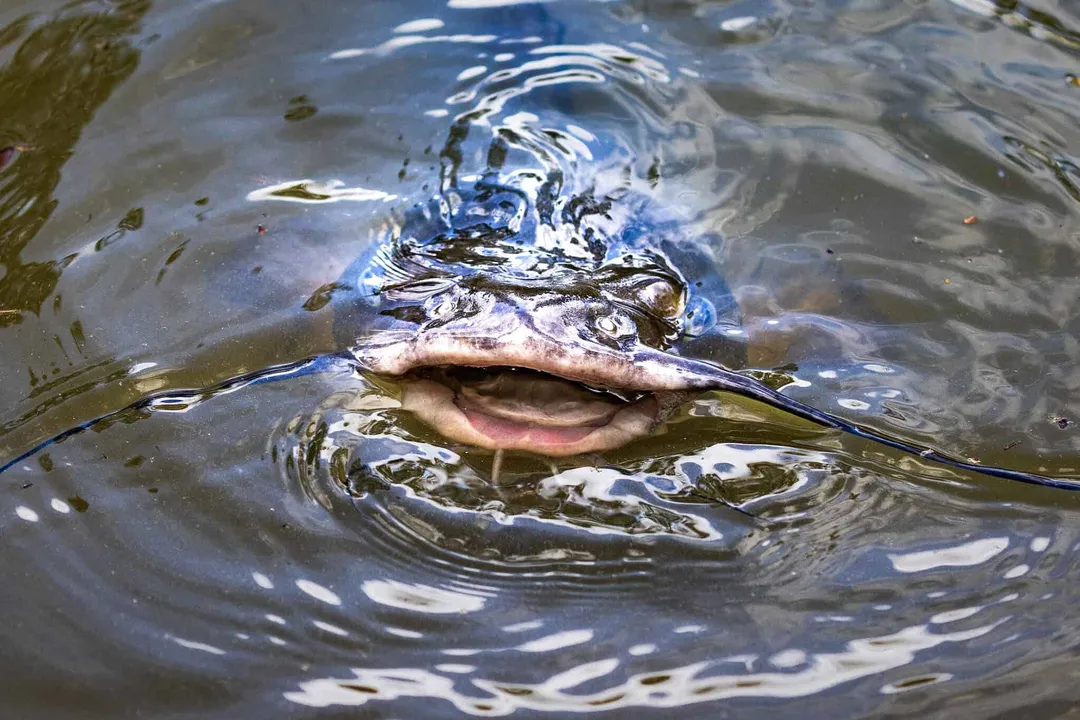
Yellow bullheads are archetypal bottom dwellers. [1][3] They make their homes on diverse substrates, including muck, sand, clay, or rock, generally preferring the slower reaches of the aquatic system. [1][3] You are likely to find them in backwaters, sluggish creek pools, and the shallow margins of lakes and ponds. [2][7] What truly sets the yellow bullhead apart, though, is its unparalleled ability to cope with less-than-ideal conditions. [4] They can thrive in areas characterized by low oxygen levels, high levels of silt, and even relatively polluted environments where more sensitive species might perish. [1][3][4] This high tolerance for poor water quality makes them ecologically significant, as they can persist when ecosystems become stressed. [4]
This hardiness contrasts interestingly with the complex sensory equipment they possess. To locate food in these often murky environments, the yellow bullhead relies heavily on chemoreception and touch. [3] Adults have an astonishing number of taste buds—over 200,000 total—distributed across their eight barbels and their entire body surface. [3][5] This massive sensory array suggests that their survival strategy is built less on vision and more on chemical and tactile investigation of the bottom substrate, allowing them to exploit food sources unavailable to sight-dependent predators in the same silty conditions. They use their barbels like external tongues and hands to sweep the bottom, tasting and feeling for edibles. [1][3]
# Nocturnal Foraging
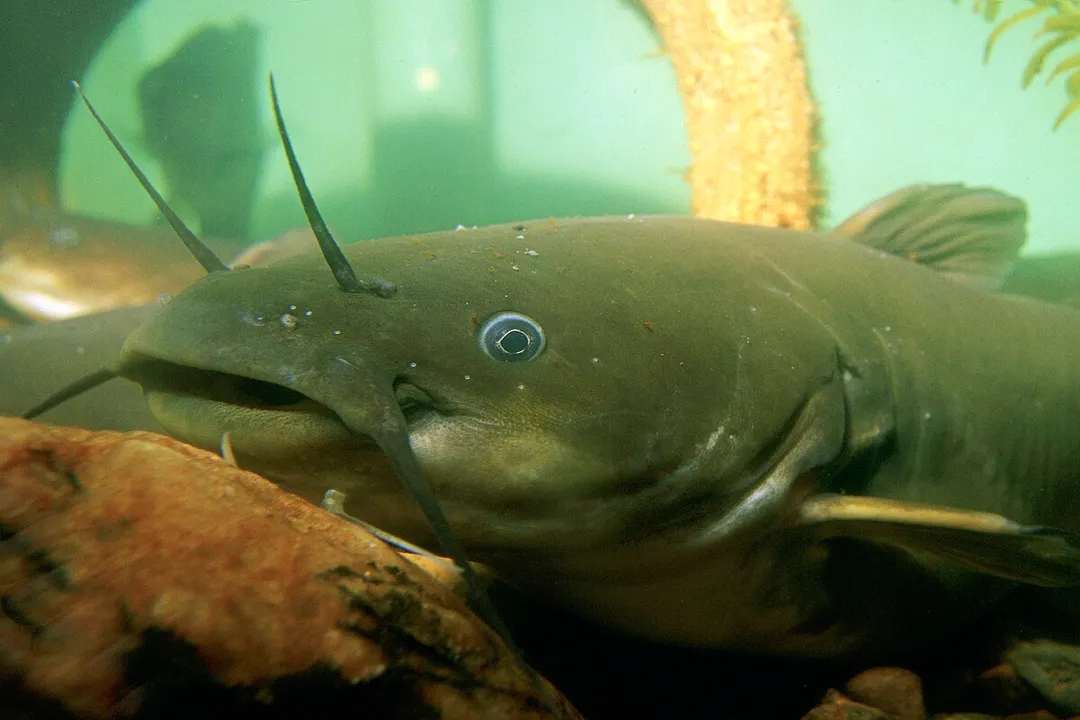
As nocturnal hunters, yellow bullheads are most active when sunlight penetration is lowest. [1][4] Their diet reflects their opportunistic nature; they are scavengers consuming a wide array of plant and animal matter, both living and dead. [1][4][5] Their typical menu includes worms, aquatic insect larvae, crayfish, minnows, and snails. [3] Interestingly, compared to their black and brown relatives, the yellow bullhead is known to consume a higher proportion of aquatic vegetation. [1][3] Young fry, however, focus almost exclusively on aquatic invertebrates until they grow large enough to adopt the adult omnivorous diet. [4]
# Family Life
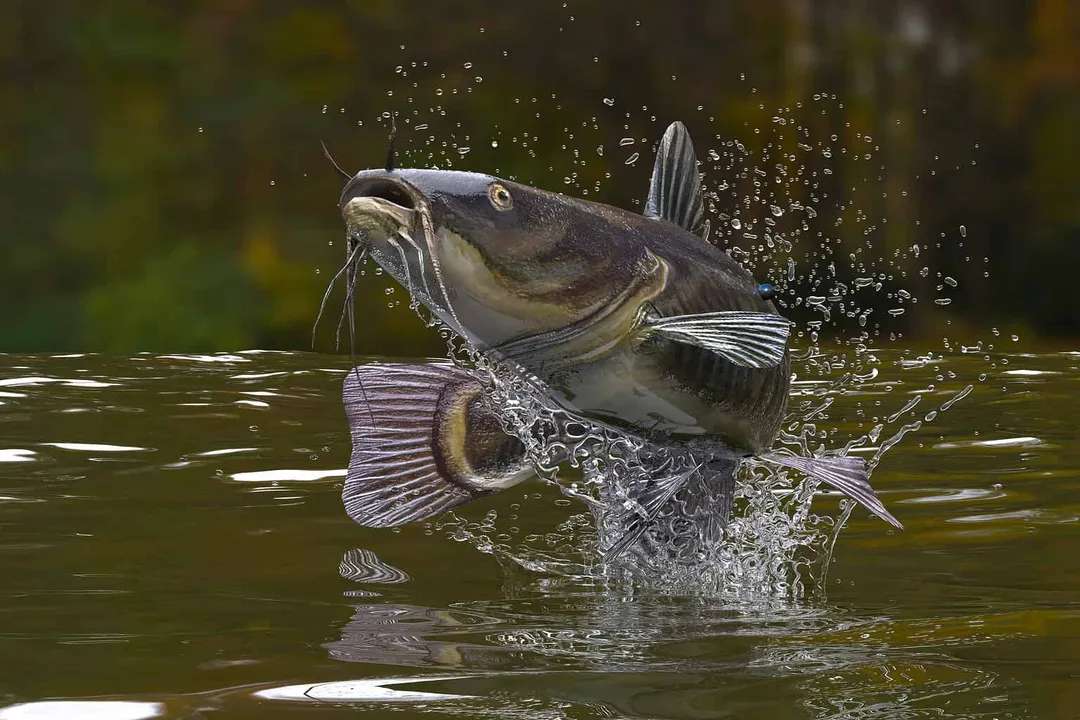
The reproductive habits of Ameiurus natalis reveal a surprising level of commitment. They form monogamous relationships for the spawning season, which typically begins in late spring or early summer when water temperatures reach between 23 and 28 degrees Celsius. [3][5] Both male and female parents participate in preparing the nest, usually a protected cavity or a saucer-shaped depression dug near submerged cover like logs or roots. [1][3][5] The female deposits a gelatinous mass of eggs, with nest totals sometimes exceeding 4,000 eggs. [3][5] After fertilization, parental care is split: the male guards and continually fans the eggs, which hatch in about five to ten days. [1][3] Once hatched, the male takes on the primary role of herding the fry into tight schools, protecting them until they reach about two inches in length. [1][3][7] Sexual maturity is generally reached after two to three years, by which time they measure around 140 millimeters. [1][3] This biparental guarding of eggs and fry is a noteworthy trait within the catfish family. [4]
# Angling and Culinary Notes
Yellow bullheads are not typically categorized as premier game fish, but they are certainly appreciated by many anglers, particularly those new to the sport due to their abundance and willingness to strike a lure. [1][4] They are best targeted at night using natural baits such as worms, or prepared baits like chicken liver or doughballs fished directly on the bottom. [1][4] They can be caught across a wide spectrum of baits and presentations, making them accessible to various skill levels.
Culinary-wise, the yellow bullhead enjoys a good reputation, often praised for its sweet, delicate flavor and semi-firm, white flesh. [1][4] However, this is where environmental conditions become very important. Anglers widely report that bullheads taken from muddy or polluted habitats can carry an undesirable "muddy" flavor. [4] This flavor profile suggests a direct connection between their known tolerance for heavily silted environments and their eating quality; for the best culinary results, target them during periods when they are active in cleaner, well-oxygenated stretches of their range, or perhaps just after a strong spring turnover before summer heat fully sets in. Their meat is thicker than that of a black crappie, offering a substantial fillet. [4]
# Defense Mechanisms
Despite their generally non-aggressive nature, yellow bullheads possess a potent defense mechanism. [4] Like many of their relatives, they have sharp, serrated spines on their dorsal and pectoral fins. [1] These spines are slightly venomous; while not life-threatening, a puncture wound from one can cause significant, painful swelling that may linger for a week or more. [1][3] The venom is produced by small glands near the fins. [4] If stung, one common piece of advice suggests that dabbing ammonia on the wound can help dull the lingering pain. [5] They also serve as a host for the larvae of certain freshwater mussels, known as glochidia, illustrating their role in the broader ecological community. [1][3] Overall, the yellow bullhead is a survivor—a tough, sensorily acute bottom-dweller capable of thriving where others cannot, making it a quiet, adaptable success story in North American freshwaters. [1][4]
Related Questions
#Citations
Yellow Bullhead: Adaptable American Catfish Fish Facts - A-Z Animals
Ameiurus natalis (Bullhead) | INFORMATION - Animal Diversity Web
Yellow Bullhead - Kentucky Department of Fish & Wildlife
Yellow Bullhead - American Catfishing Association
Yellow Bullhead | State of New Hampshire Fish and Game
Yellow Bullhead - FWC
Yellow bullhead - Wikipedia