Yellow Bullhead: Adaptable American Catfish Diet
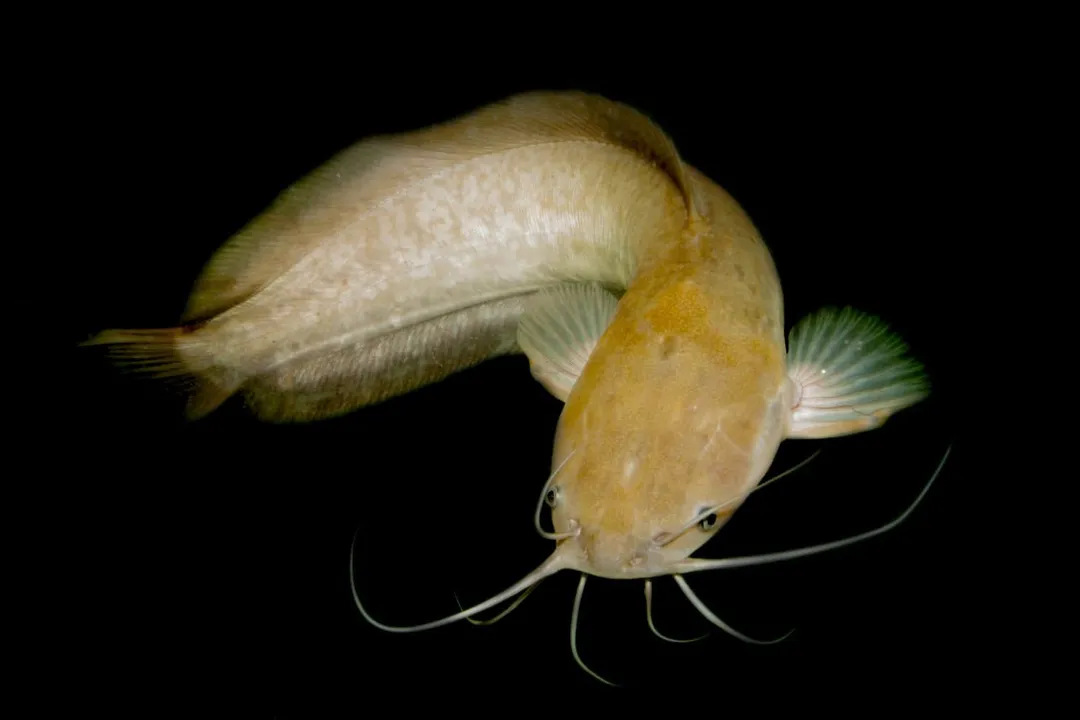
The Yellow Bullhead Catfish, Ameiurus natalis, stands out in North American waters not just for its smooth, scale-less skin and yellowish-olive coloration, but for its remarkable ability to thrive across varied and sometimes challenging aquatic environments. [1][4] This fish, often recognized by its distinctly rounded tail fin—a key differentiator from the forked-tail channel catfish—is a master of adaptation, and its diet is central to that success. [6] Understanding what this bottom-dwelling species consumes reveals much about its ecological niche and why it remains a common fixture in ponds, lakes, and slow-moving streams across its range. [1][2]
# Physical Traits
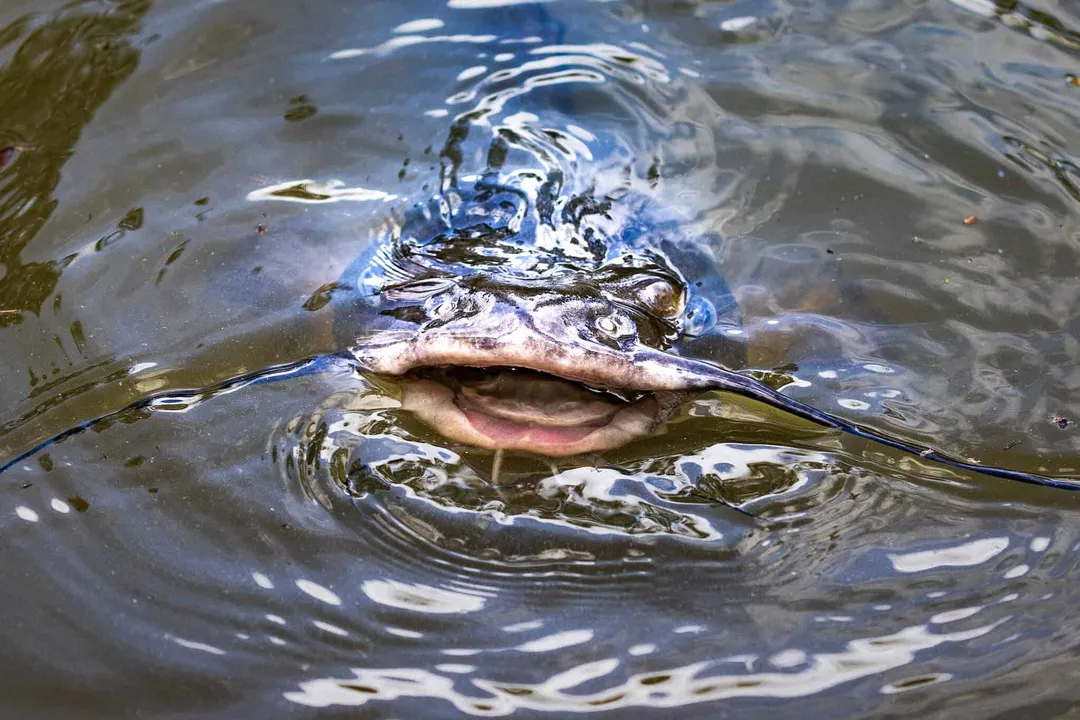
Physically, the Yellow Bullhead is a relatively small catfish, typically not exceeding 12 inches in length, though larger specimens certainly exist. [1] It possesses the characteristic barbels surrounding its mouth, sensory organs that are essential for finding food in murky conditions where sight is less reliable. [1] Like all bullheads, its skin lacks scales, relying instead on a tough, mucus-covered integument for protection. [1] The general coloration ranges from yellowish to olive-brown, often helping it blend into silty or weedy bottoms where it spends most of its time. [1]
# Versatile Menu
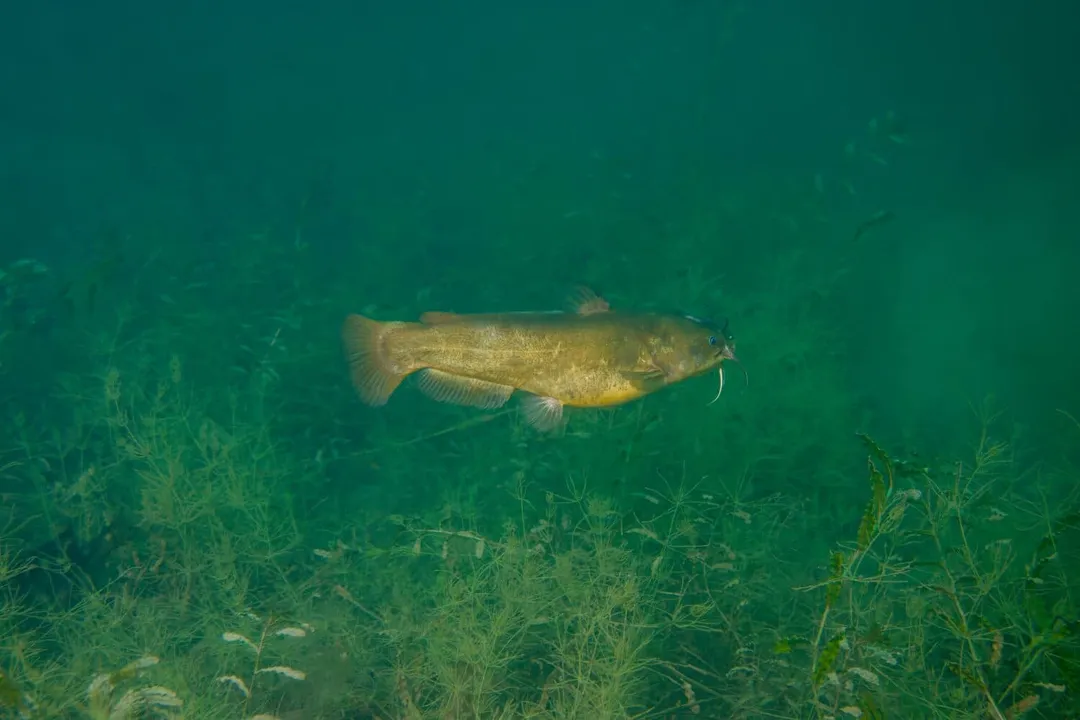
The classification of the Yellow Bullhead as an omnivore is the most direct description of its eating habits, reflecting an opportunistic approach to sustenance. [1][2][5] This is not a picky eater; its survival strategy involves capitalizing on whatever food sources are locally abundant and accessible from the substrate. [2]
Its diet is broad, encompassing several major categories of aquatic life and matter:
- Invertebrates: Insects, both larval and adult forms, are a staple, as are various crustaceans and mollusks. [1][2][5]
- Vertebrates: Small fish often fall prey to a larger bullhead, though this depends heavily on the availability of smaller prey items. [1][2]
- Plant Matter and Detritus: A significant part of its nutritional intake comes from aquatic vegetation and the organic detritus—the decaying matter—that settles on the bottom. [1][5]
The specific composition of the diet shifts based on the fish's life stage and the surrounding environment. [5] Younger, smaller Yellow Bullheads often focus more intensely on zooplankton and smaller aquatic invertebrates, needing those higher-protein sources for rapid early growth. [5] As they mature, their feeding repertoire expands to include the larger, more energy-dense items and the vegetative matter that characterizes an omnivorous adult diet. [5]
# Habitat Tolerance
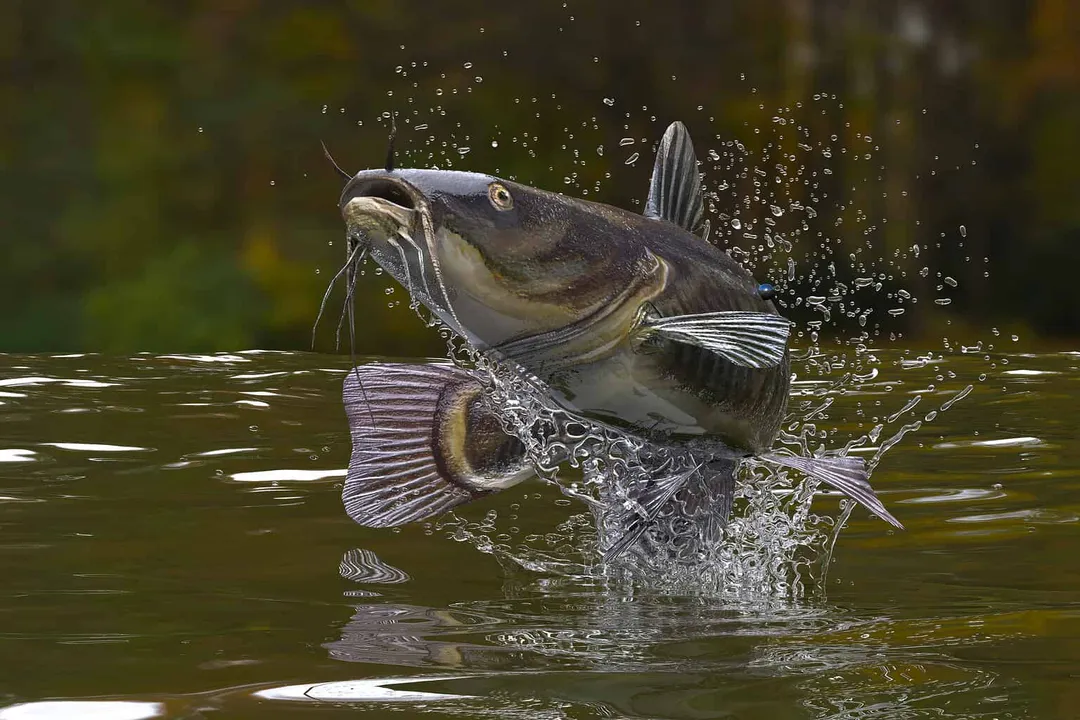
The Yellow Bullhead’s dietary flexibility is closely linked to its impressive habitat tolerance, allowing it to colonize water bodies where more specialized feeders might struggle. [1][2] They are commonly found in lentic systems—standing water environments—such as ponds, lakes, and bayous, as well as sluggish streams. [6] Unlike game fish that require high levels of dissolved oxygen, Ameiurus natalis demonstrates a significant tolerance for hypoxic conditions, or areas with low oxygen levels. [2][3] This resistance allows them to persist in stagnant backwaters or areas with heavy decomposition where oxygen depletion is common. [3] Furthermore, they seem to prefer waters that are somewhat murky or turbid and often associate with weedy areas. [1][6] While they manage a range of conditions, they are capable of surviving in waters that lean slightly toward the acidic or alkaline spectrum. [3]
The ability to process both animal protein and substantial amounts of plant matter or detritus is an ecological advantage. When insect hatches are low or aquatic vegetation is scarce, the bullhead can switch its primary energy intake to detritus, a food source that is nearly always present on the bottom of any natural water body. [5]
An interesting aspect of their survival is their nocturnal or crepuscular activity pattern. [4] Being active primarily at night or during the low-light periods of dawn and dusk helps them avoid warmer surface temperatures during the day and potentially reduces predation risk from visual daytime predators, further aiding their survival in marginal habitats. [4]
# Feeding Tactics
As a bottom-dweller, the Yellow Bullhead feeds by moving along the substrate, utilizing its barbels to detect chemical cues and vibrations from potential meals lying on or just beneath the mud or sand. [4] This sensory reliance means they don't need clear water to feed effectively; in fact, the turbidity that deters sight-feeders often shields the bullhead as it forages. [1][6]
When anglers target these fish, they often find success using baits that appeal to their low-light, bottom-oriented feeding style. [8] Live or dead baits that present a strong scent profile are generally effective. [8] The fish will use its sensory apparatus to investigate these offerings, often sucking them in rather than aggressively striking. [8] In nature, this translates to methodically picking through leaf litter and soft sediments for hidden insects, worms, and decaying organic material. [5]
The reproductive behavior also involves the substrate. The male Yellow Bullhead takes on the responsibility of guarding the nest after the female lays her eggs, typically in a protected spot, ensuring the next generation has some protection before they hatch. [3]
While the Yellow Bullhead is an adaptable forager, there is a subtle pressure point in its life history that relates directly to its feeding strategy. Because a significant portion of its diet involves decaying matter and invertebrates found in silty bottoms, it is susceptible to environments where pollution or excessive runoff creates anoxic (zero oxygen) bottom layers. While they tolerate low oxygen well, a complete lack of oxygen at the bottom, where their primary food source resides, can force them into less productive shallower waters or lead to local die-offs if the anoxic event is prolonged. [2][3]
When considering the broadness of their menu, it’s apparent that localized environmental shifts affect them differently than specialist feeders. A short-term drought that eliminates surface vegetation, for example, might temporarily impact species relying on aquatic plants, but the Yellow Bullhead can seamlessly pivot its intake toward benthic invertebrates or terrestrial insects washed into the water, providing a buffer against temporary food scarcity. [5] This dietary plasticity helps maintain stable populations even when conditions fluctuate seasonally. [1]
For anglers who encounter Yellow Bullheads in smaller, possibly overpopulated ponds, their diet offers a clue to management. Because they consume a wide variety of items, including smaller fish and vegetation, they can sometimes keep smaller forage fish populations in check, or, conversely, contribute to aquatic plant overgrowth if their primary animal prey base is depleted. [5] An interesting point for hobbyists keeping them in aquariums is that because they are adapted to low-oxygen, often debris-filled waters, they require filtration that manages organic load effectively, lest uneaten food turns into a source of harmful ammonia or nitrate buildup, even if the water itself remains oxygenated. [9] Their natural preference for foraging detritus means they are efficient scavengers, but in a closed system, that "detritus" is leftover fish food that needs removal. [9]
Reflecting on their success across such a wide range of habitats—from clear, cool streams to warm, stagnant ditches—it’s worth noting that their ability to process low-quality food sources (like detritus) is as crucial as their tolerance for poor water chemistry. [3][5] Many fish species require a diet rich in high-quality proteins or specific plant matter, limiting their distribution. The Yellow Bullhead bypasses this restriction by being able to extract sustenance from organic breakdown products that other fish simply ignore. This inherent efficiency in nutrient scavenging allows them to outcompete less flexible species in marginal habitats where resources are diffuse and slow to replenish.
When setting up bait for a night of bullhead fishing, understanding the difference between what they can eat and what they prefer is useful. While they consume vegetation, their primary protein intake comes from the invertebrates living within that vegetation or the substrate. [1][5] Therefore, baits that mimic worms, grubs, or crayfish, or those emitting a strong, attractive scent like commercial catfish dough baits, mimic their preferred high-value meals better than simply using cut vegetation, though vegetation can certainly work in a pinch if other prey is absent. [8] The key is delivering an odor signature directly to their sensory receptors on the bottom, where they are already actively searching. [4] Their very survival hinges on the effectiveness of these senses when visibility drops. [1]
This small, resilient catfish is a prime example of an organism whose success is derived not from being the strongest or fastest, but from being the most adaptable consumer available in the local ecosystem. [2] Its omnivorous, bottom-feeding diet ensures it has access to food resources year-round, regardless of surface activity or the health of the upper water column. [5]
Related Questions
#Citations
Yellow Bullhead: Adaptable American Catfish Fish Facts - A-Z Animals
Yellow Bullhead - FISHBIO | Fisheries Consultants
Ameiurus natalis (Bullhead) | INFORMATION - Animal Diversity Web
Meet the Yellow Bullhead Catfish (Ameiurus natalis) - Facebook
Yellow bullhead - Facts, Diet, Habitat & Pictures on Animalia.bio
Yellow Bullhead (Ameiurus natalis) - Texas Parks and Wildlife
Yellow Bullhead Catfish - Danbury Fish Farms
Yellow Bullhead - American Catfishing Association
Bullhead catfish caresheet? | MonsterFishKeepers.com